Not long ago, I lost track of the key for my 2013 Acura, but I knew it had to be inside the car somewhere, since the car was allowing me to start it. I drove myself nuts ransacking the interior to see where the key had fallen, but I eventually found it. It reminded me of a time when you actually needed a key inside an ignition (as opposed to just in your pocket) to start a car. GM vehicles are great examples of this era.
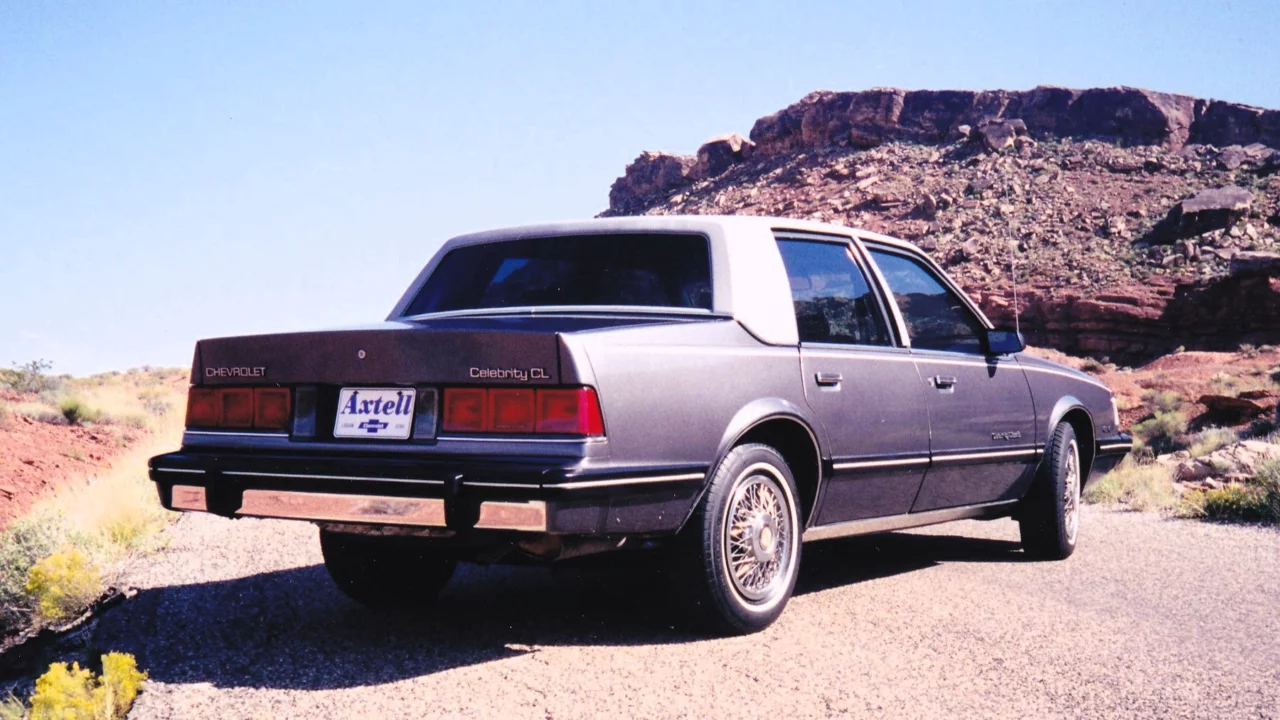
My 1986 Chevrolet Celebrity came with two keys: a square-ended one for the ignition and an oval-ended one for the doors and the trunk. Most General Motors cars from that era had the same setup, which is why so many of us became trained in our younger years to say “car keys” (plural) instead of “car key.” Of note, the Celebrity’s keys were also one-sided, so I had to be sure to insert each one the correct way.
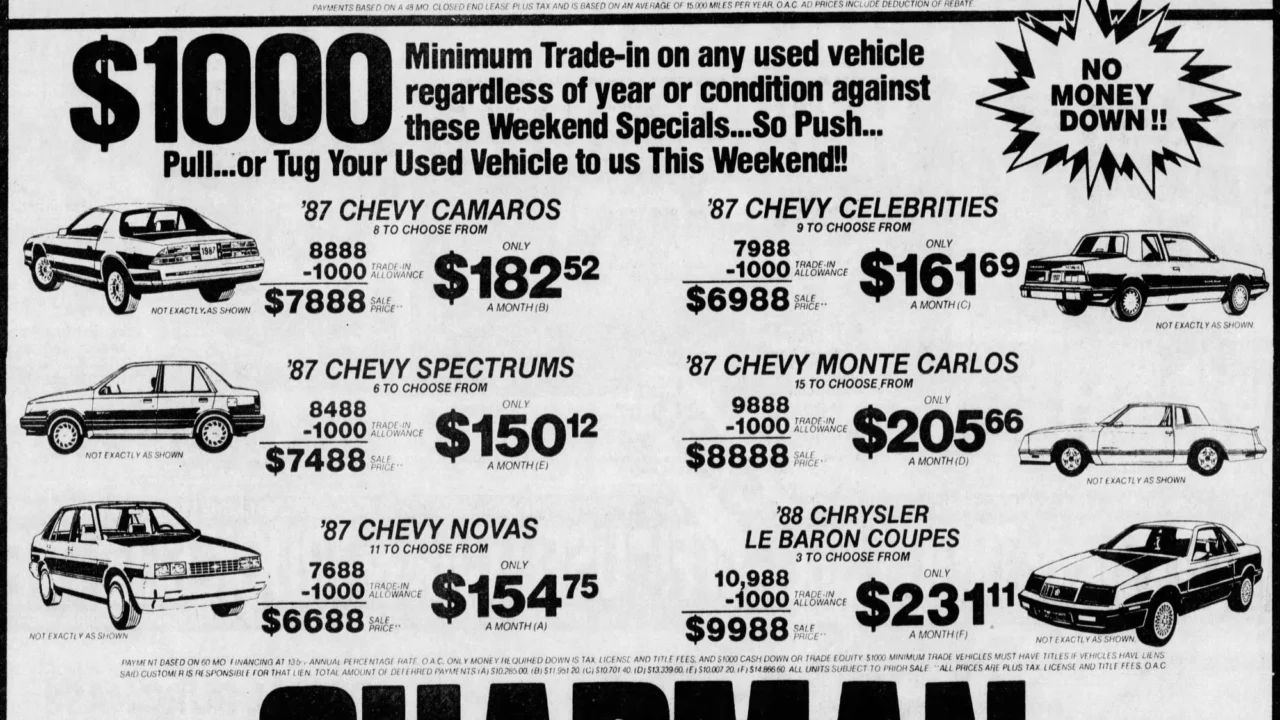
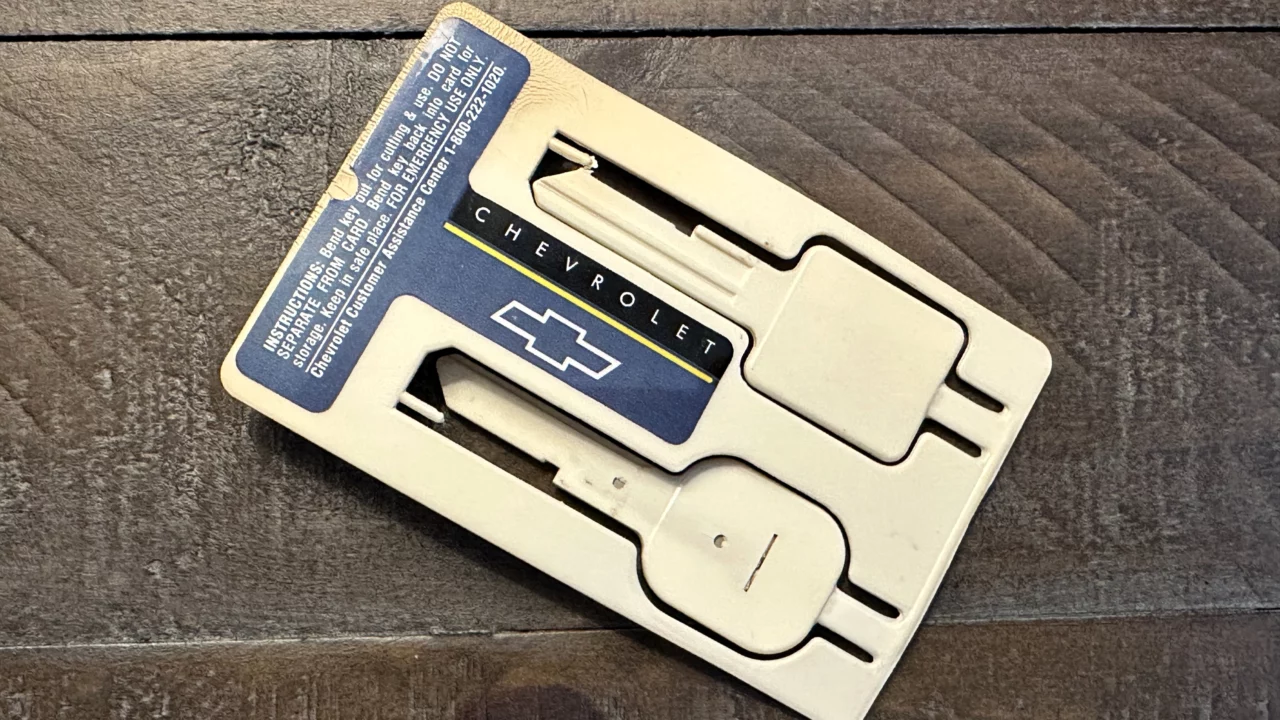
The two-key system was famously used by GM well into the 1990s. The idea was to allow drivers to keep the car running while handling items in the trunk, but it also had security benefits, since it allowed a valet attendant the ability to drive a car without giving him or her access to the trunk. General Motors even offered “emergency” plastic key blanks that could be cut by a locksmith and kept inside a wallet or purse for one-time emergency access.
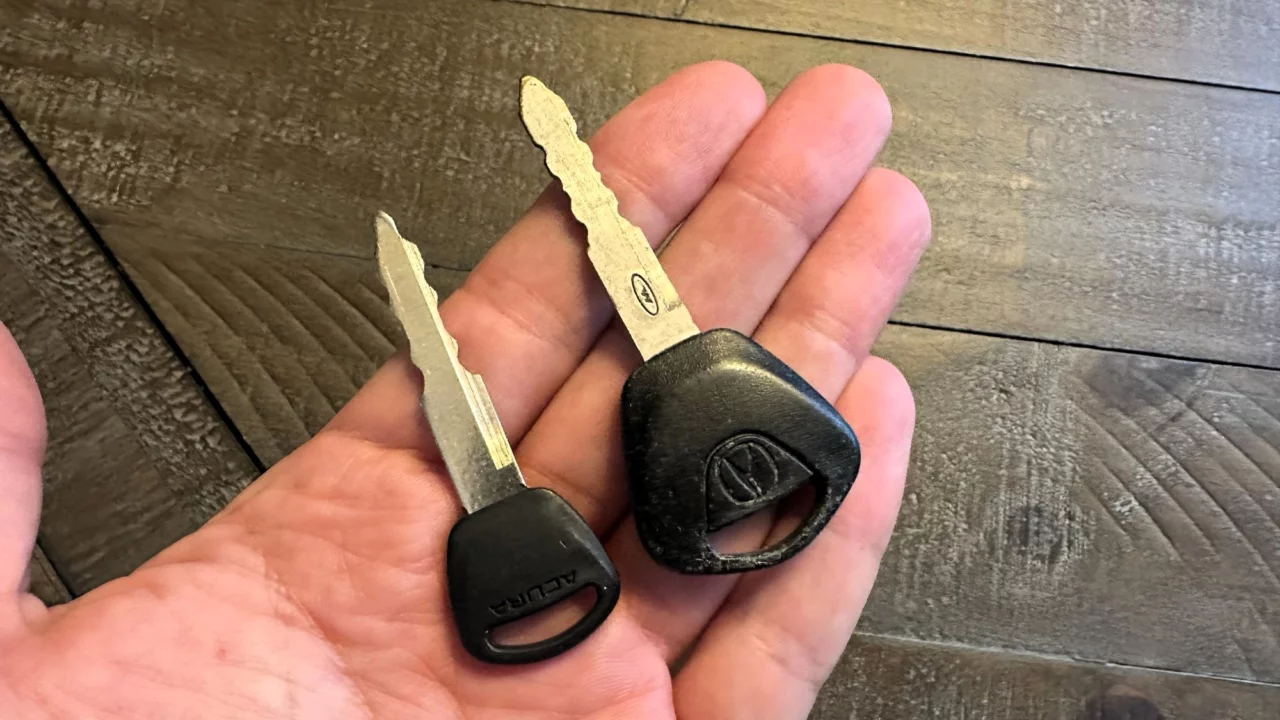
A similar variant of the two-key arrangement that was offered by some manufacturers in the subsequent years was a dedicated “valet” key. It allowed an attendant to operate the door and ignition but would not open the glove compartment or trunk. My 1994 Acura came with a valet key, which is easy to tell apart from the regular one because it is smaller in size.
By the early 2000s, GM had phased out its two-key design because transponder chips and remote keyless entry systems gained widespread use. Some of the last cars to use the arrangement were the Buick LeSabre and Park Avenue. These days, a “car key” sometimes isn’t a key at all. Through the advent of Bluetooth, Near Field Communication (NFC), and Ultra-wideband (UWB) technology, a smartphone can now serve as a key. Tesla has been using that setup since about 2017.
Below is a look at the keys for my Prelude and ILX; the cars are about 25 model years apart. The picture illustrates the evolution of key technology — for better or for worse.
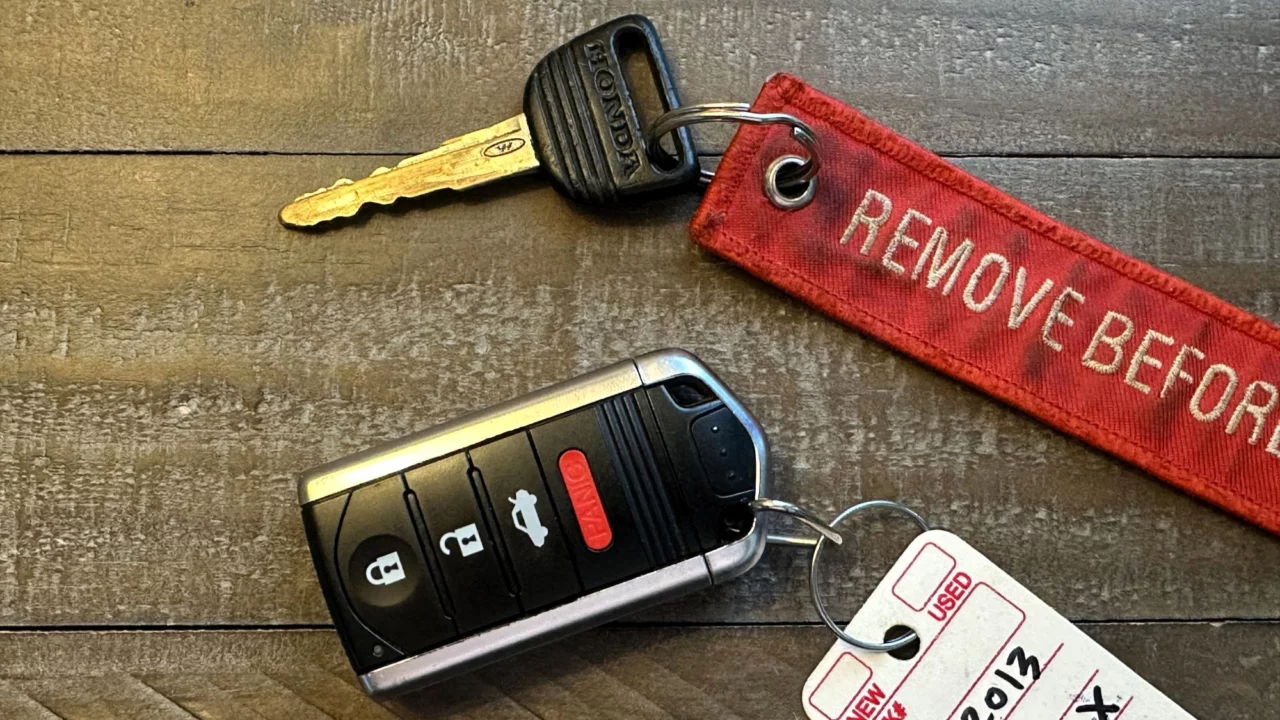
As convenient as it may be to have “touchless” access to a car’s doors and ignition, a keyless entry system has plenty of drawbacks. For example, it cost me $446 a couple of years ago to buy a replacement fob for the ILX, which included the fob itself, an emergency blade/blank inside it, and the dealership’s fee to have the blank cut. Fobs also require battery changes every few years.
What about you? Are you a two-key, one-key, or no-key kind of person?