On this date, the Ford Mustang was officially released to the public at the 1964 New York World’s Fair. The Mustang was not a secret, but no one was prepared how successful the sporty compact was going to be.
Solid market research and marketing, not dumb luck, is the explanation for the Mustang’s success. The Edsel debacle was still fresh on Ford’s mind, so Ford did its best to avoid the hubris that characterized the mid-priced 1950s brand’s existence (remember, the Edsel was an independent make and not a Ford model). Thankfully, Ford found enormous success with the Falcon, a compact that eventually began Ford’s foray into sporty bucket seats and consoles. The rest of the credit can be given to youth culture, emerging two-car households, and women’s upward trajectory in many parts of society.
Below are several of the seminal Mustangs that have marked the model’s history. If you like what you see, click on the images because they’re all for sale on ClassicCars.com.
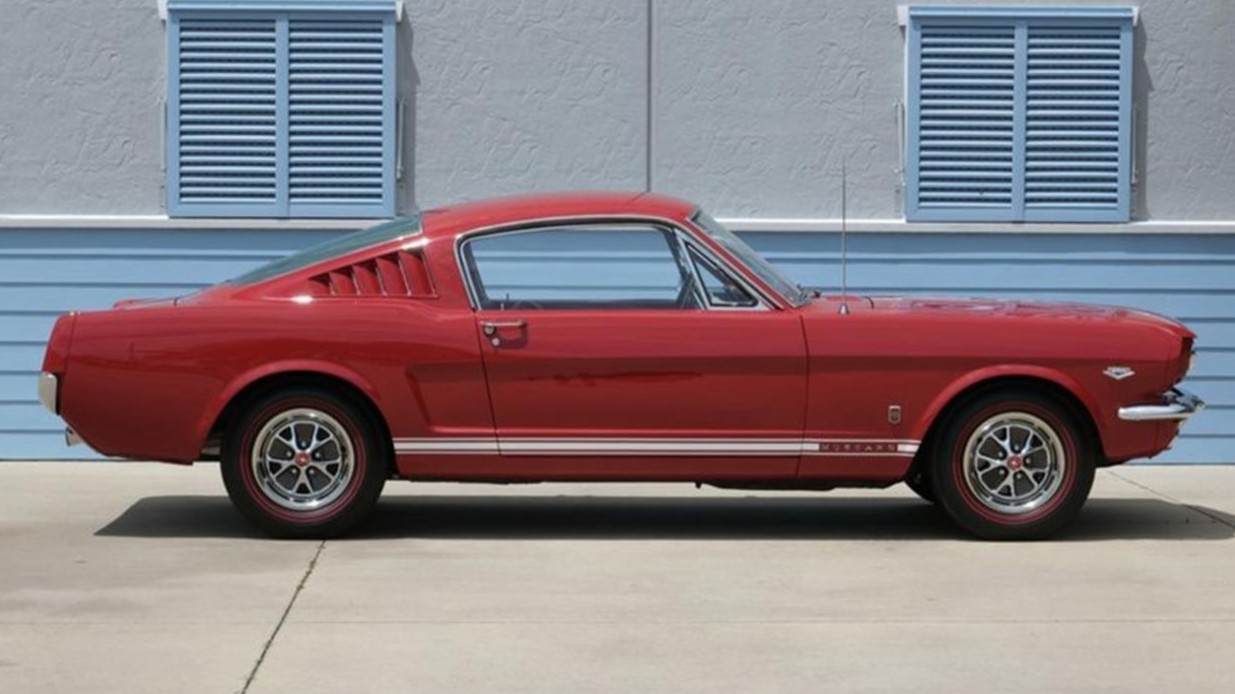
1965 Mustang GT 2+2
The dawn of the fastback for the 1965 model year gave the Mustang a contemporary body style. The introduction of the GT package made the Mustang more of a driver’s car. Combine the two and you have the quintessential early Mustang. What? You want the K-code 289? Beggars can’t be choosers, but today is your lucky day as this fastback is equipped with the 271-horsepower solid-lifter small-block.
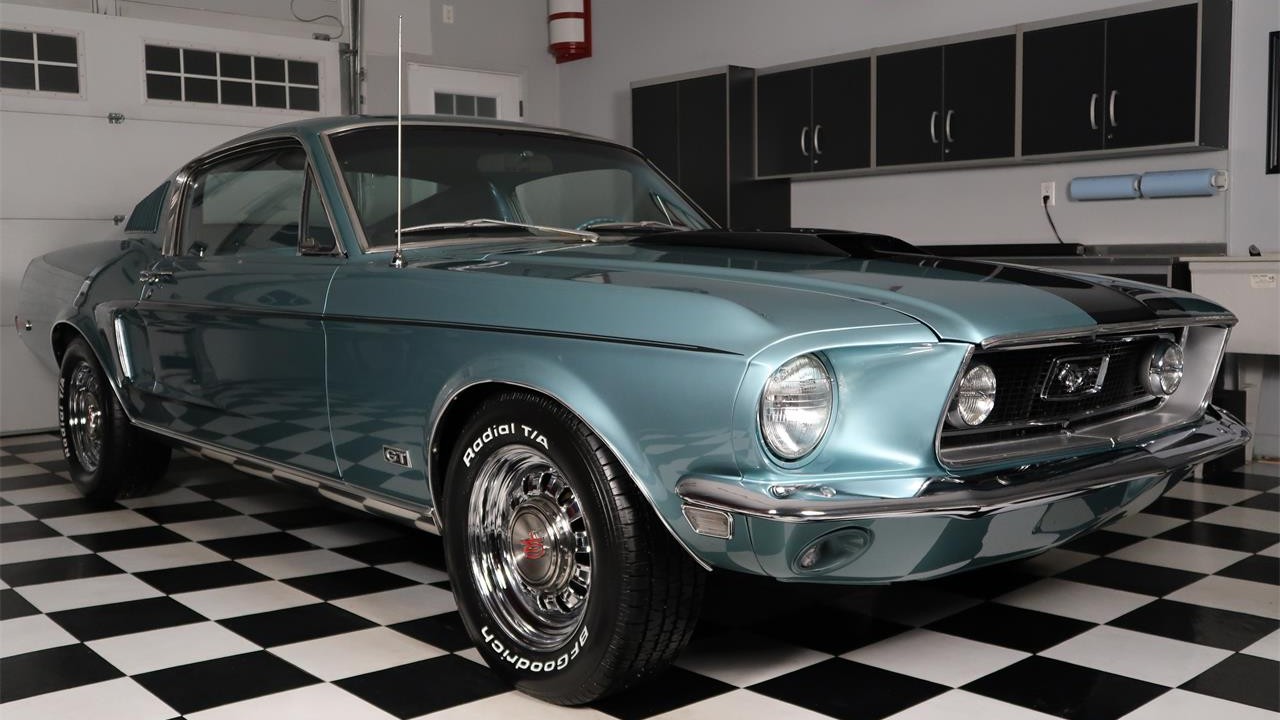
1968 Mustang GT
No, this particular Mustang is not as iconic, but glance under the hood for the money shot: this one’s powered by the 428 Cobra Jet. Ford had been slacking with its high-performance street cars, as the 390 wasn’t a good fit against similar competitors. With inspiration from Rhode Island’s Tasca Ford, Dearborn finally gave Blue Oval fans something to cheer about when Al Joniec killed it at the 1968 NHRA Winternationals … and others did the same on Main Street, USA.
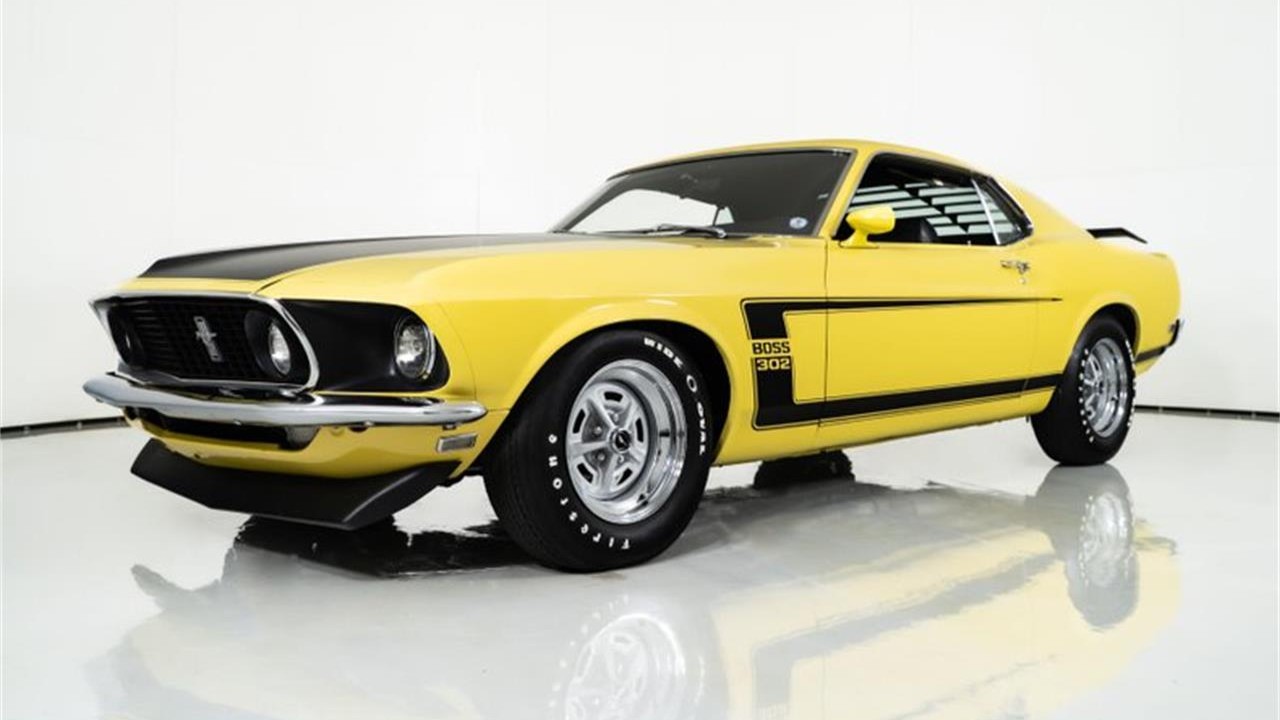
1969 Mustang Boss 302
There’s so much to choose from for 1969: Mach I, Boss 429, and this, Ford’s Trans-Am racer. The Boss 302 was chosen because it was a killer small-block in a big-block world. The Boss 302 was the heir apparent for the K-code 289, but with race car provenance. It also previewed the smooth rear fenders that would appear for the 1970 SportsRoof (Ford’s new slang for “fastback”). Plus, 1969s are often name-checked as the favorite Mustang of just about everyone and his mom.
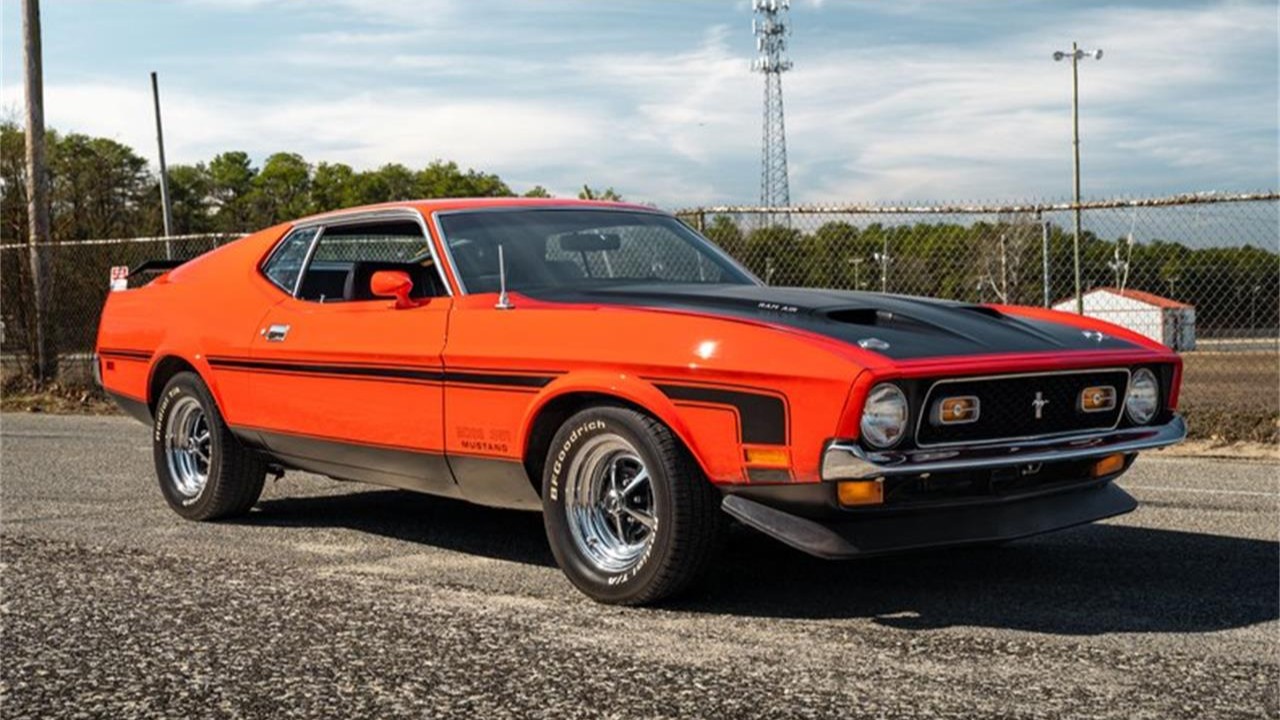
1971 Mustang Boss 351
Another toughie: go with the last of the big-blocks, or go with what’s arguably the fastest small-block of the era? The redesigned Mustang was larger, heavier, and racier, and the Boss 351 (making its first and final appearance) holds the distinction as a small-block Mustang that gave big-blocks fits. After this (and the 429 Cobra Jet), there wouldn’t be a 13-second Mustang for decades.
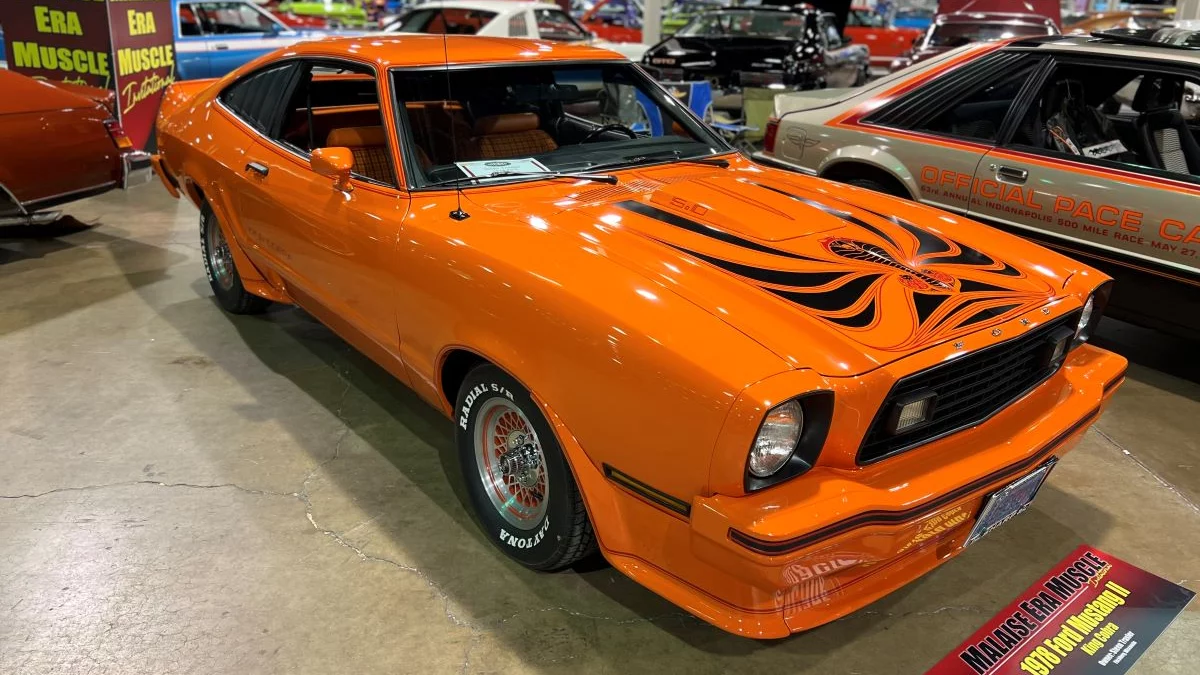
1978 Mustang King Cobra
Sure, it could get worse (and, to a lot of folks, it did), but no one can deny the Mustang II was the right car at the right time. The design was tidy, much more in line with the original and, eventually, a V-8 popped up on the order form. For the naysayers, it’s time to acknowledge that the Mustang II was the lifeline that was needed to buoy the model into the 1980s. (For those interested, no King Cobras are currently listed for sale on ClassicCars.com as of this writing, but click on the title above to check as you read this because new listings appear daily!)
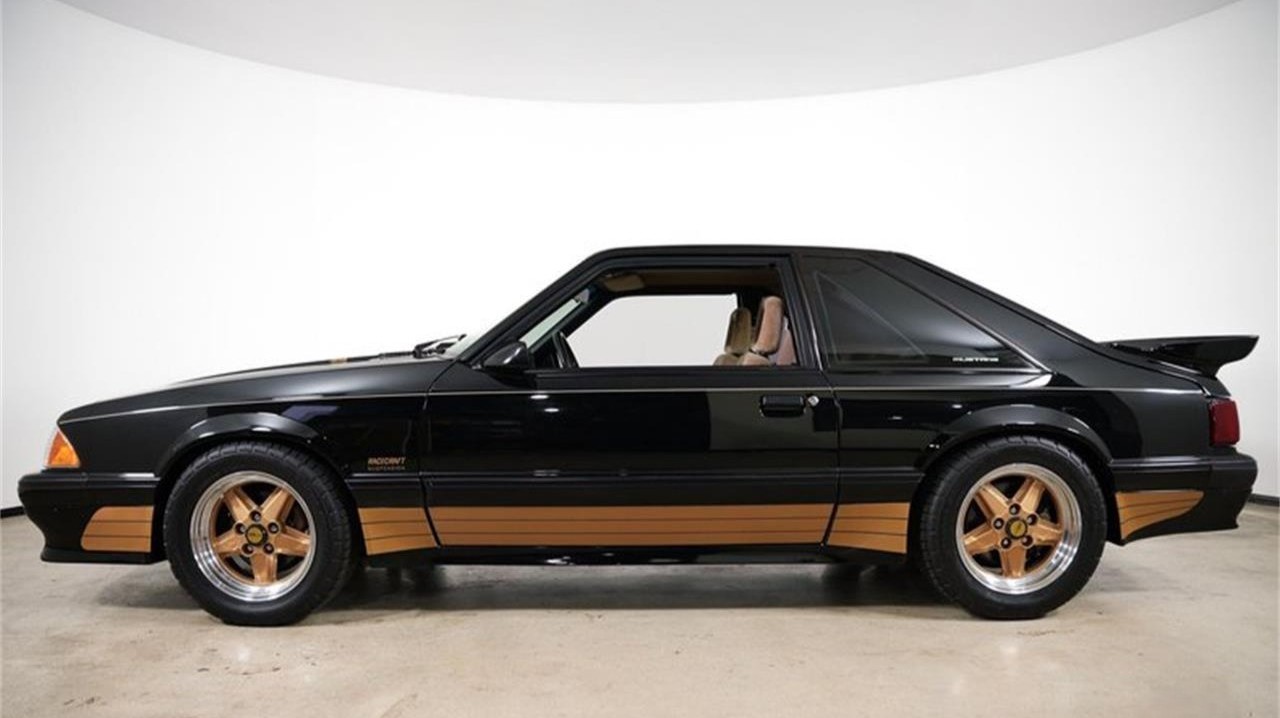
1988 Saleen Mustang
The first hint of something special was in 1982 with the return of the GT. In 1985, the 5.0 crossed the 200-horsepower threshold, though with a carburetor. With the 1987 restyle, the fuel-injected V-8 achieved 225 horses and inspired many a young (wo)man to lust in ways that hadn’t been possible for well over a decade. The Mustang was back, and builders like Saleen gave enthusiasts the closest thing to a road-racer since 1970.
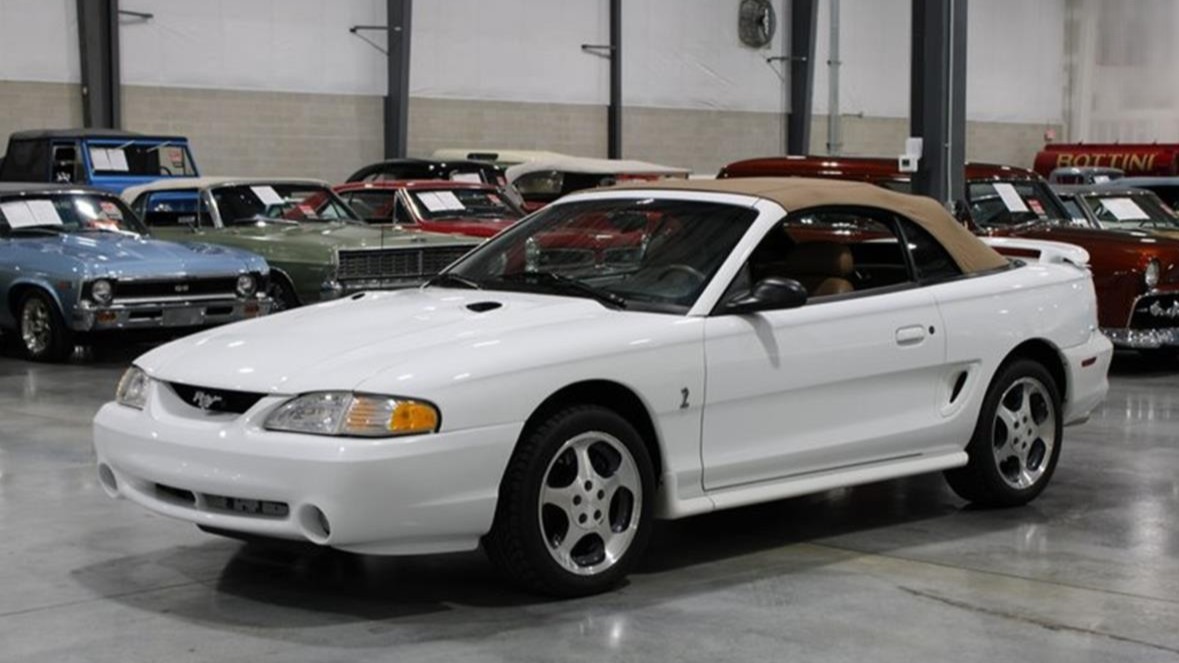
1996 Mustang SVT Cobra
The redesigned SN-95 1994 Mustang was initially a dud with only 215 horsepower for the GT — compare that with 275 horsepower from GM’s F-bodies. But when the 305-horsepower 4.6-liter Modular V-8 was introduced for the SVT Cobra, happy days were here again. No longer would the Mustang ever be stuck in Malaise! Supercharging was soon to follow, foreshadowing the return of a hallowed name.
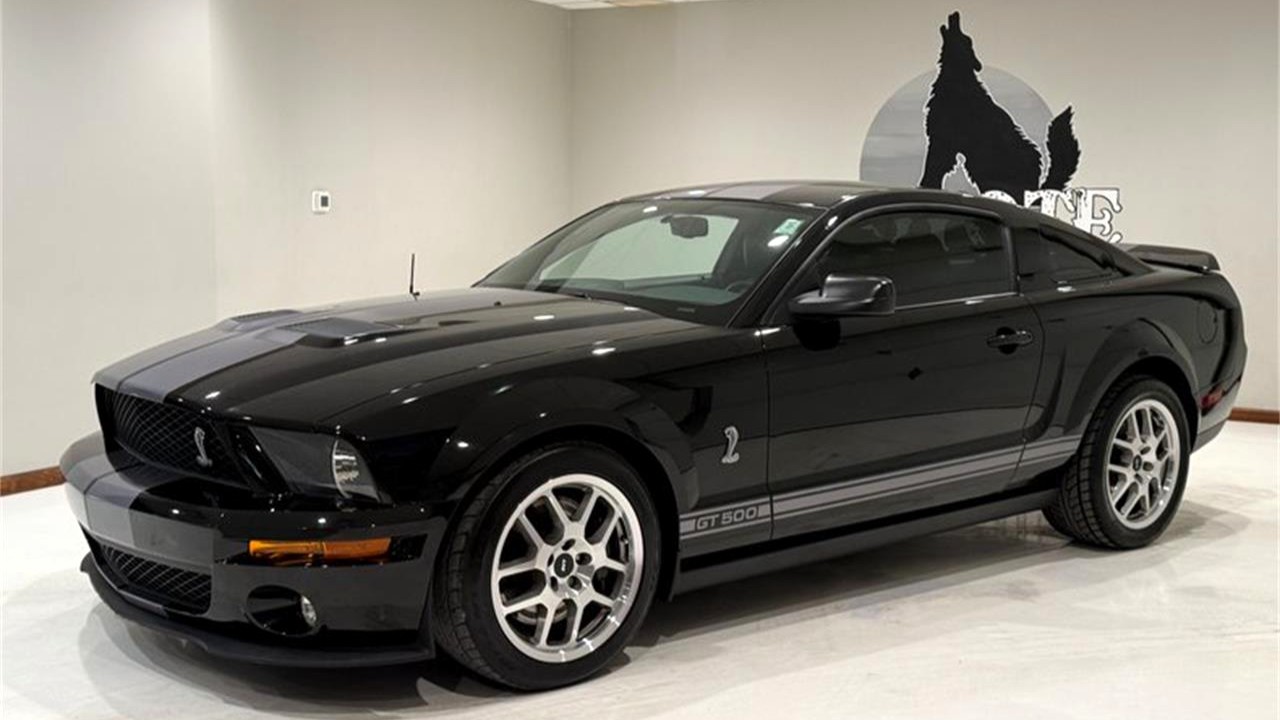
2007 Mustang Shelby GT500
The S-197 was introduced for 2005, but it was SVT’s 2007 Shelby GT500 that put things over the top. Supercharged and intercooled, the 5.4 Modular V-8 put out 500 horsepower. This was a resounding 185 horses more than the romantic Bullitt Mustang. Style-wise, Ford poured the retro on heavy, which worked in the Mustang’s favor considering the Camaro was MIA for several years.
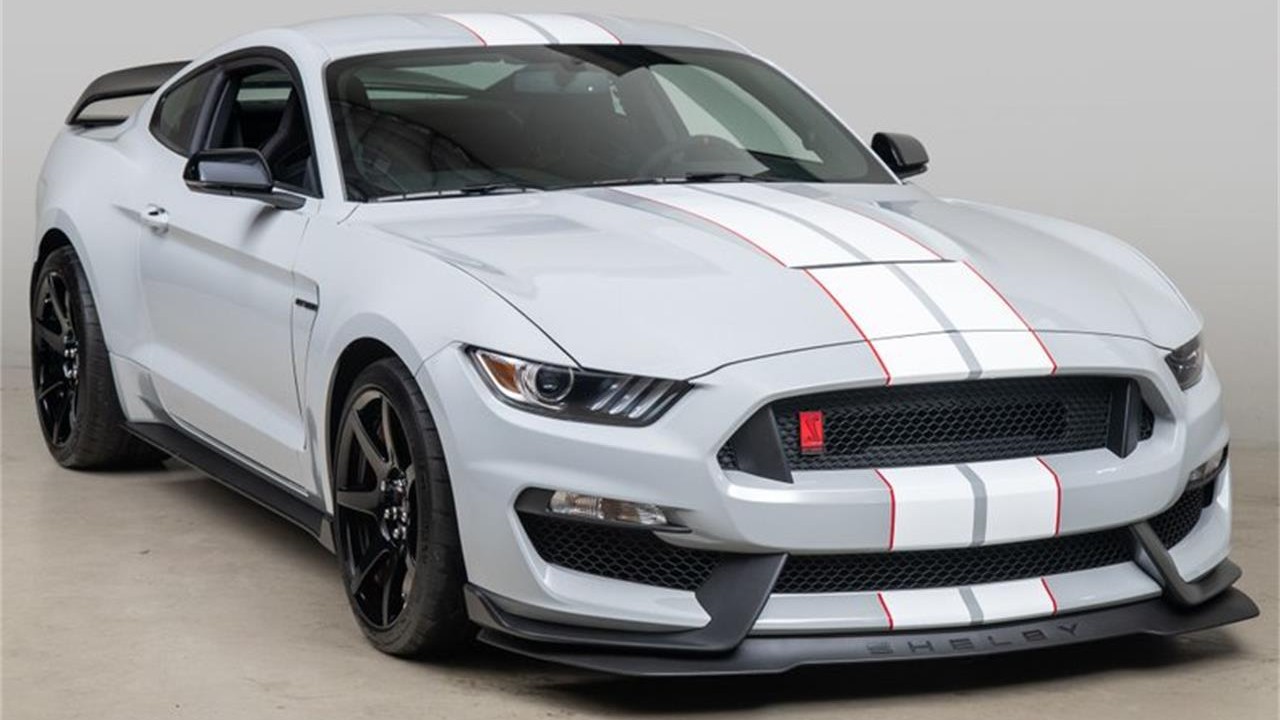
2015 Mustang Shelby GT350
The S550 aroused epithets of “It looks Japanese!” and worse, but it quickly was embraced by Mustang aficionados and the world. While not the highest horsepower version, the 2015-20 Mustang Shelby GT350 was the most balanced and, arguably, most awe-inspiring thanks to its flat-plane crankshaft. The 5.2 Coyote “Voodoo” offered 526 horsepower without a supercharger. Though the Mustang has never been considered a proper sports car, this was the closest it had ever come to being one.
Today, we are still at the dawn of a new-generation Mustang. There’s a new Dark Horse SC currently ruling the roost, with the GTD playing a special role for well-heeled fantasies. What is certainly clear is that Ford is absolutely devoted to the Mustang, and we anticipate the model to outlive every enthusiast reading this.