Around the same time General Motors was cranking out millions of cookie-cutter sedans like my old 1986 A-body Chevrolet Celebrity, its Buick division pushed the performance envelope. The Grand National, built from 1982-87, used the GM G-body platform and was based on the Buick Regal personal luxury coupe. In fact, a window sticker for a 1987 GN classified the model name as a “REGAL 2 DR COUPE,” and in advertising, it was called the Regal Grand National.
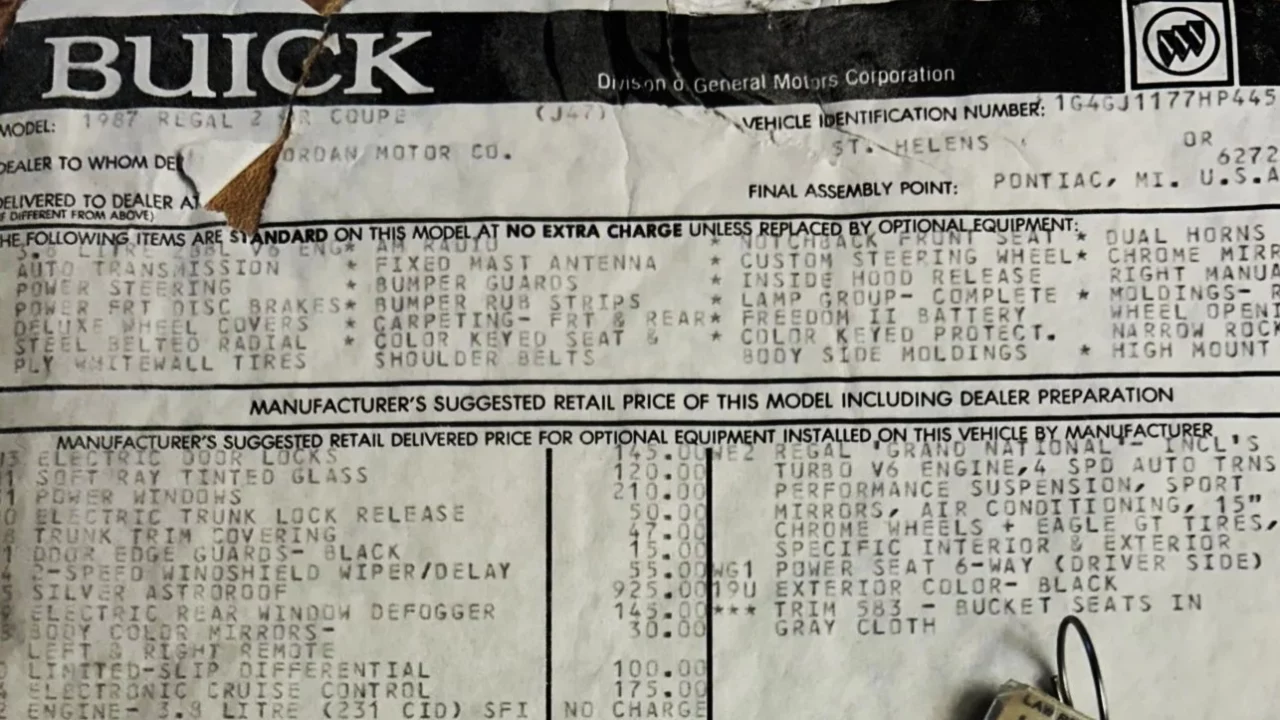
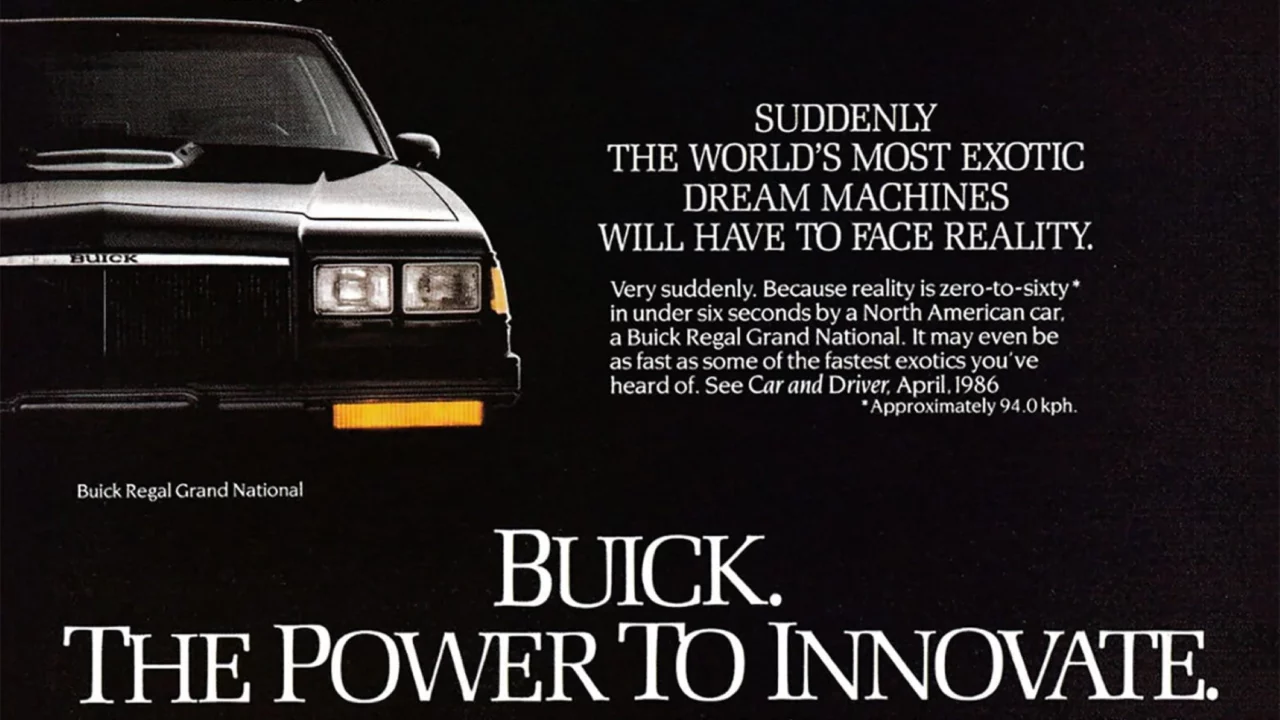
The base manufacturer’s suggested retail price was $11,562. On top of that, option code WE2 applied the Grand National package at a cost of $3,574. The sticker mentioned the following features accompanying that group: Turbo V-6 engine, four-speed automatic transmission, performance suspension, sport mirrors, air conditioning, 15-inch chrome wheels with Eagle GT tires, and specific interior and exterior.
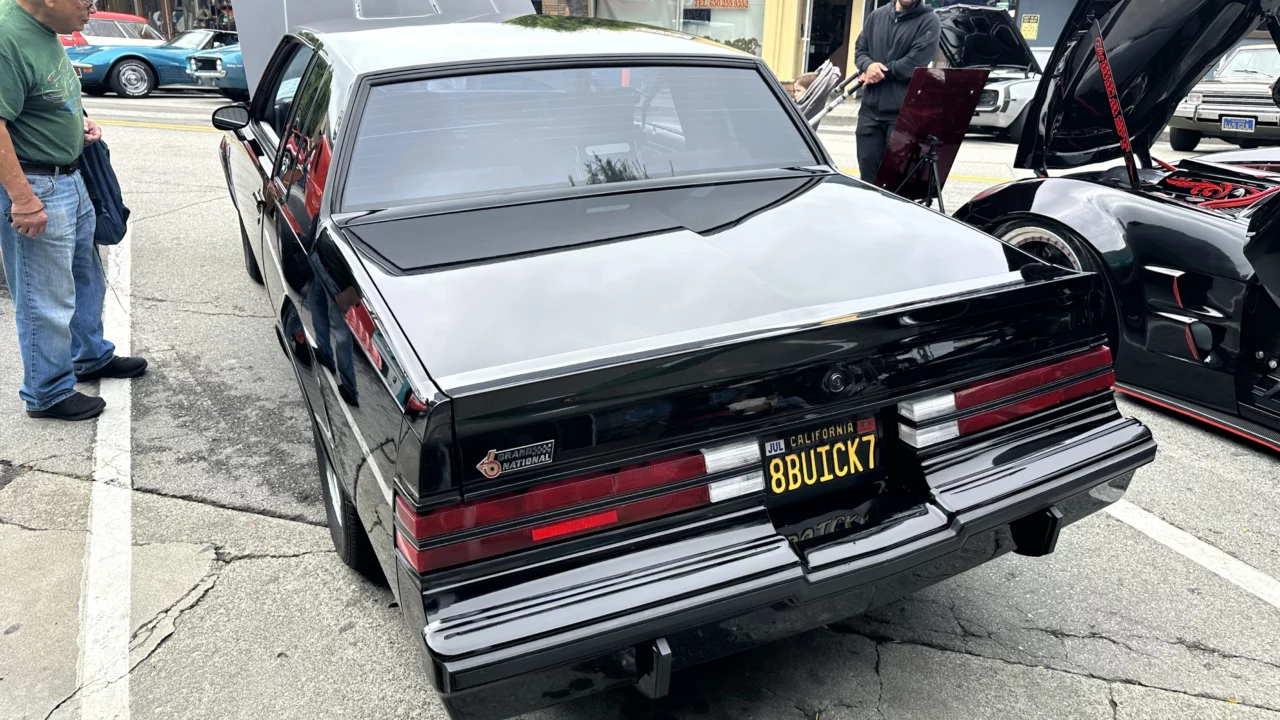
The Grand National was finished entirely in Black (paint code 19U), and I spotted a really nice one earlier this year at a California-based car show. Exterior features included bumper guards, color-keyed side mirrors and moldings, high-mount stop lamp, and 15-inch chrome wheels.
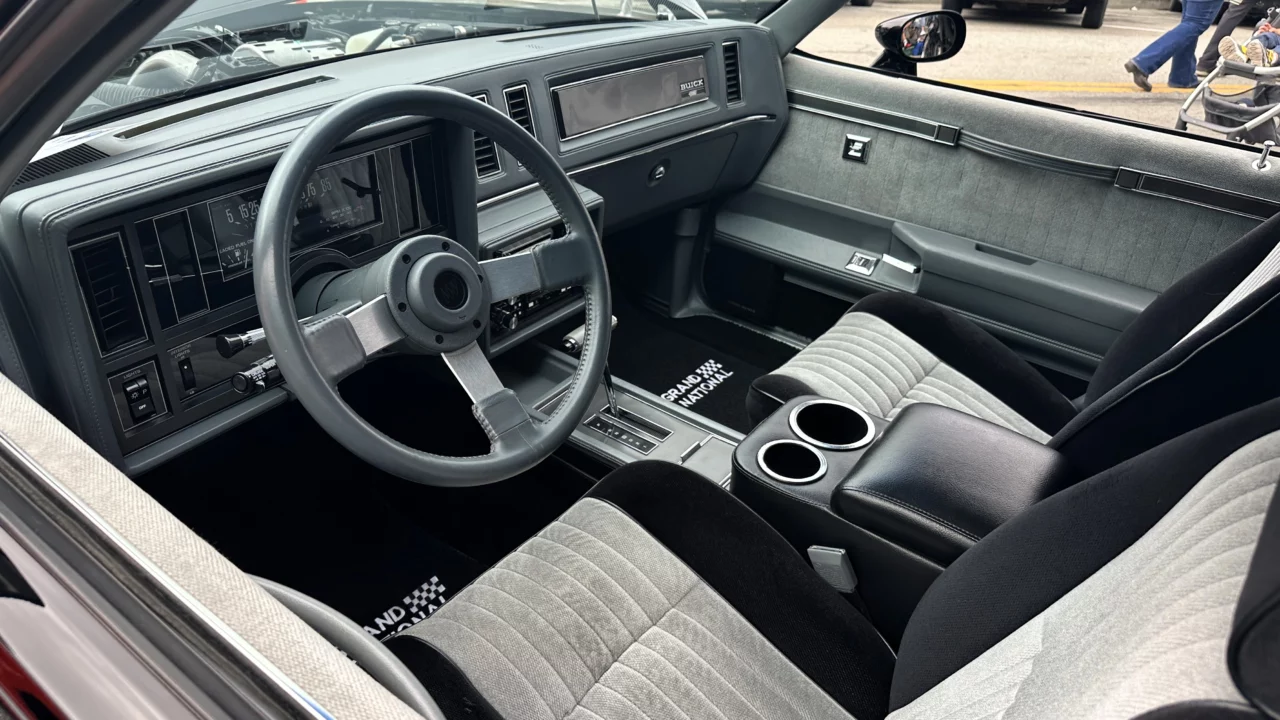
The seats were upholstered in two-tone black and gray cloth (trim code 583), and interior features included power steering, power door locks, cruise control, aftermarket center console, leather-wrapped steering wheel, and embroidered floor mats.
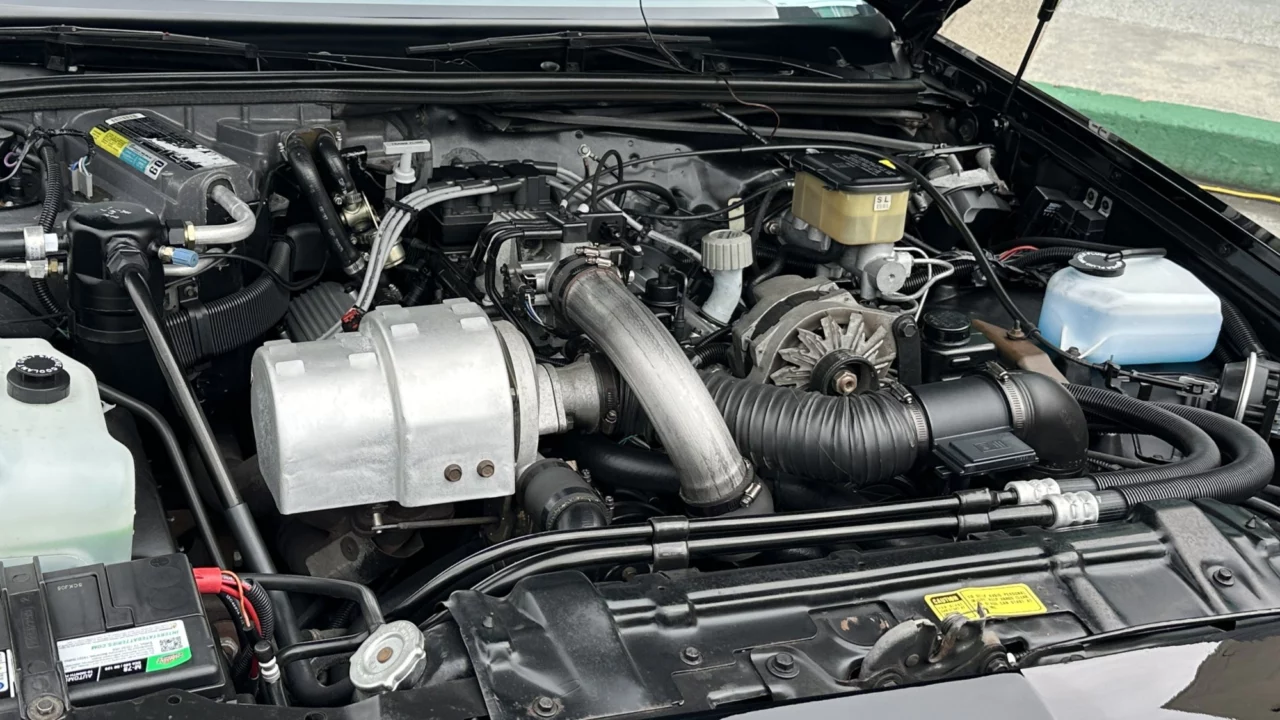
The standard Grand National was powered by a 3.8-liter turbocharged/intercooled V-6 that was rated at 245 horsepower and 355 lb-ft of torque. A TH200-4R four-speed automatic was the only available transmission.

While the GN had solid credentials on paper, some media outlets have criticized its real-world performance. Tyler Longmire of Out Motorsports said, “The steering wheel needs a good quarter-turn before the front-end weights up and communicates what is happening. Braking, on the other hand, leaves a lot to be desired. But I don’t think I’ve driven any American car from that time period and not said the same thing. The Grand National killed a lot of supercars in a straight line, but it was never meant to carve corners like one.”
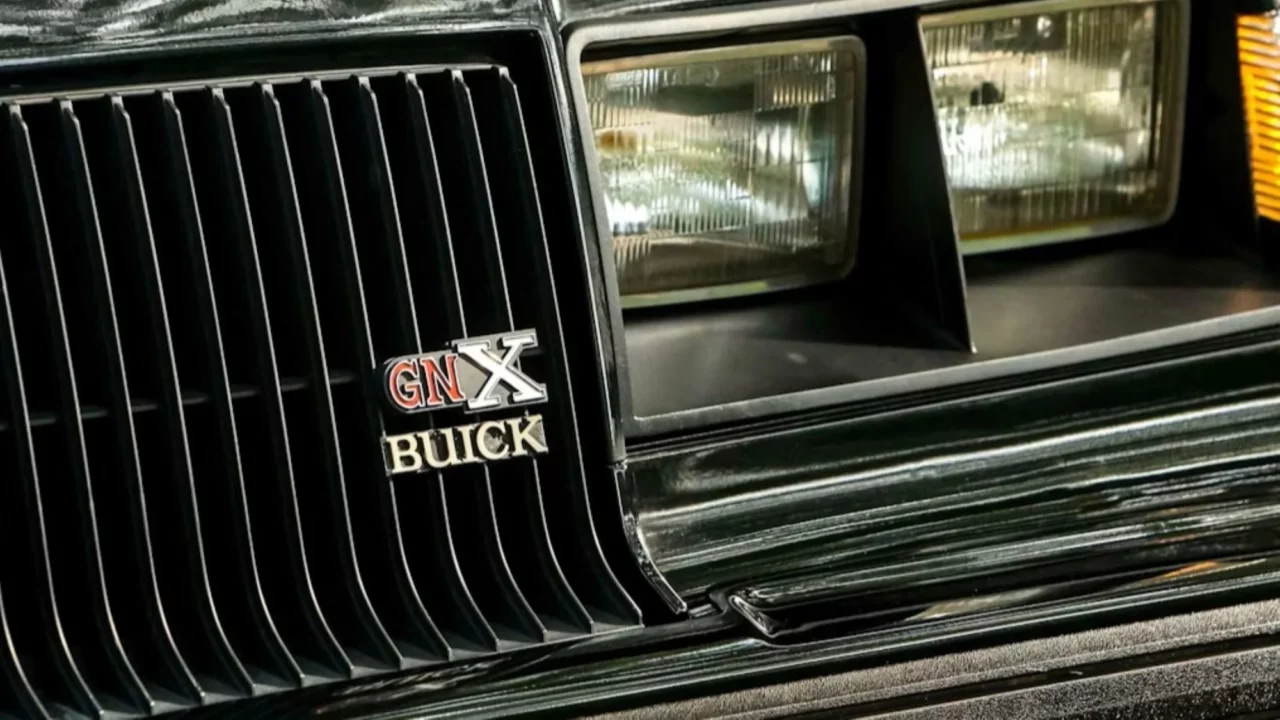
The ultimate, top-rank version of the Grand National was the GNX, or Grand National Experimental, which was built for only one year (1987) and in limited volume (just 546 units). Buick’s website talks about that car’s history and significance, saying, “In 1987, Buick set out with a goal: design one of the fastest GM coupes to date, a vehicle that would go down in history as one of the most memorable performance automobiles of all time.” The GNX variant was upgraded by McLaren to produce 276 horsepower.
Today, surviving Grand Nationals — and especially GNXs — have become highly collectible. They encapsulate some of the style, power, and culture of 1980s performance. Because, let’s face it, many of the GM cars from that era were less-than-exhilarating. Anyone like me who’s accelerated in a 1986 Celebrity from 0 to 60 in about 12 seconds could tell you that.