Of all the automotive exterior features that we as automotive enthusiasts love to compare, contrast, and discuss, windshield wipers are likely among the least appreciated. You might be surprised to know just how vast and varied wiper designs can be.
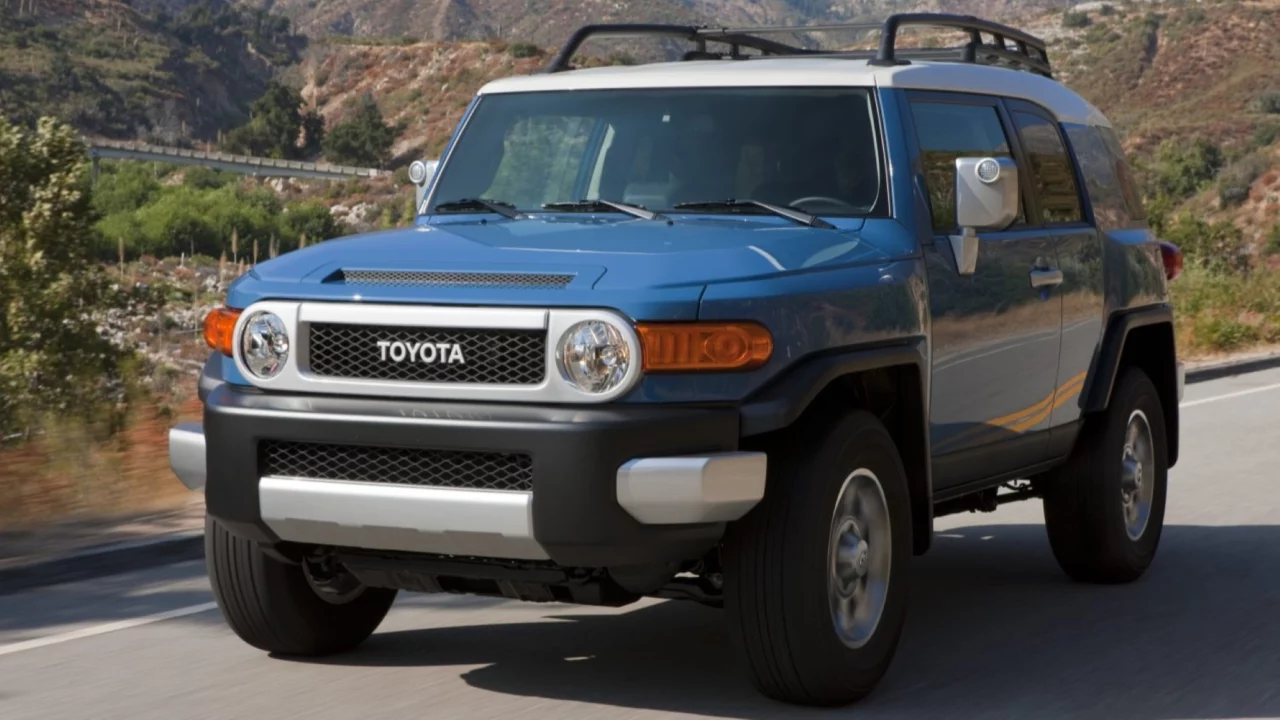
Did you know, for example, that the 2007-14 Toyota FJ Cruiser SUV used triple wiper blades in order to clear the vehicle’s short, wide windshield?
A handy graphic from How Stuff Works lets us see a visual representation of how various windshield wiper systems operate:
Every car I’ve ever owned has used a tandem system (although my Japanese-market, right-hand-drive Honda Integra sweeps its windshield in the opposite direction as my other vehicles), and my Acura SLX SUV uses a single wiper on the back window of course.
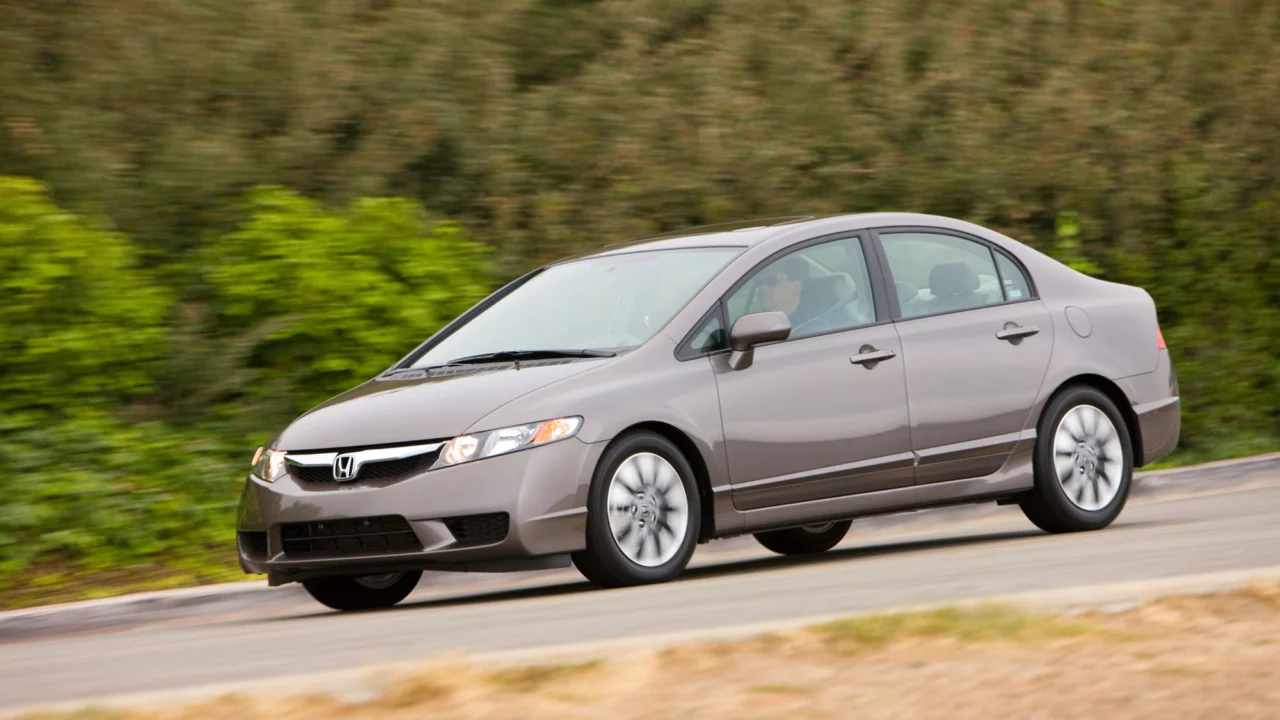
The “opposed” (sometimes referred to as “butterfly”) system has been typically used on vehicles like minivans and crossovers, but some passenger cars like the eighth-generation (2006-11) Honda Civic used such a setup. You might not even notice it unless you’re actually looking for it.
A single-blade, or “Monoblade,” system was famously pioneered by Mercedes-Benz beginning in the early 1980s. The blade system used a complex eccentric gear system hidden in the central hub that caused the arm to physically extend. The key benefit was glass coverage: the Monoblade could cover over 80 percent of a windshield’s surface. Some of the cars that used it were:
- W201 (190 Class)
- W124 (E-Class)
- R129 (SL-Class)
- W202 (C-Class) and W210 (E-Class)
Check out this video showing an R129’s wiper in action:
Mercedes eventually phased out the Monoblade in favor of traditional dual wipers for a couple of reasons: A single arm can’t clear heavy downpours as quickly as dual blades, and the complex extending mechanism of the blade was prone to failure. Some people even claimed that the fast side-to-side sweeping motion could cause a car to rock slightly at high speeds.
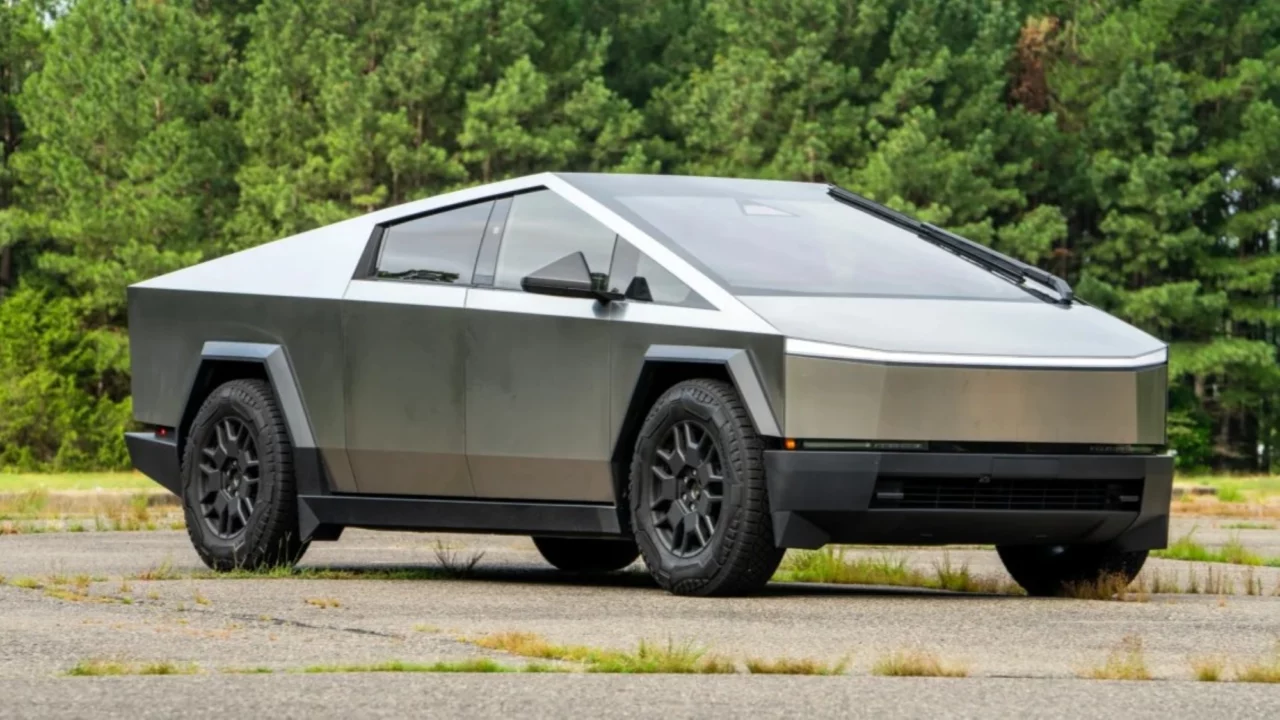
There are still some auto manufacturers using single-blade systems today. Consider the Tesla Cybertruck. It uses the largest windshield wiper blade ever installed on a production vehicle. It measures 50 inches long (over four feet!) and parks along the driver side A-pillar when not in use.
For future discussion: Some cars have rain-sensing, fully-automatic wipers. They not only activate when detecting moisture on the glass, but they can adjust speed based upon the amount of moisture present. The science and mechanics behind that will have to wait for another day.
Who knew there was so much to discuss about windshield wipers?