Building on the platform for the Japanese-market Toyota Altezza which launched in 1998, the 2001 Lexus IS300 became an instant home run in the compact luxo-sedan marketplace.
Key to the car’s success was its robust powertrain, centered around Toyota’s famous 2JZ-GE inline-six that was factory-rated at 215 horsepower and 218 lb-ft of torque. But the car garnered adoration for a lot of other things, such as its chronograph-style instrumentation, metal ball shifter, HID headlights, and clear-lens taillights (which had a big influence on aftermarket car culture).
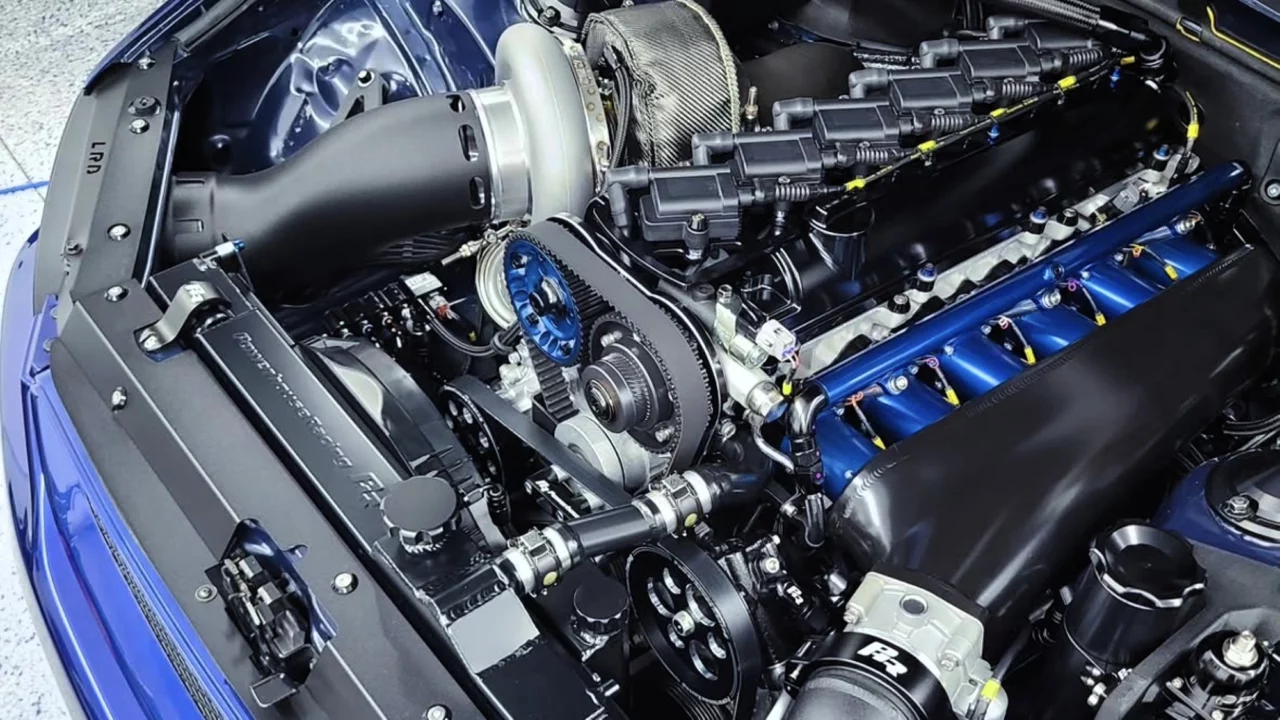
I don’t know if any of Toyota’s engineers could have predicted that a quarter-century after the IS300’s debut, people like my brother Payton would be reaching for the sky with performance numbers, but that’s exactly where we’ve landed. Payton has garnered a following on his Instagram account and YouTube channel for his meticulous attention to detail in souping up his Lexus sedan.
Back in October 2023, Payton participated in “No Fly Zone,” a half-mile performance driving event that took place in Gila Bend, Arizona on an airstrip. It was a family ordeal: I had my 1992 Acura NSX, and my brothers each brought their own rides, namely a 2017 Acura NSX and the “Intensa Blue” 2002 IS300.
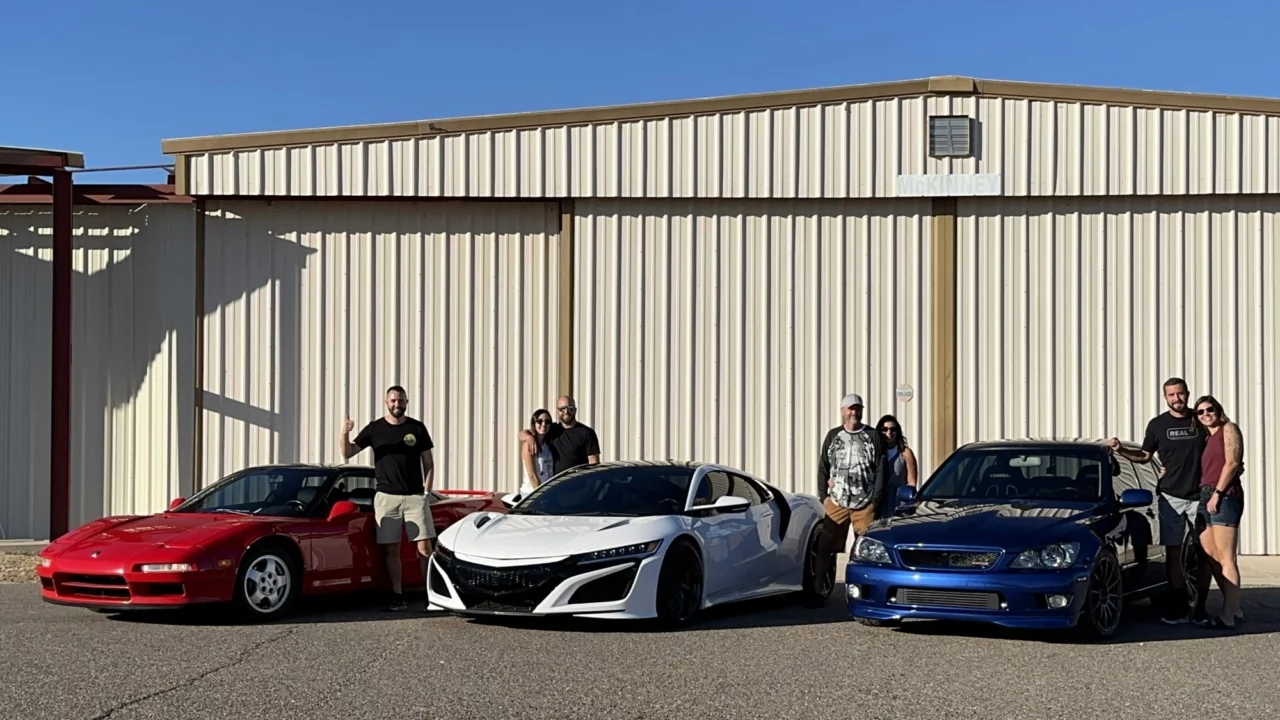
The Lexus blew our doors off, hitting 176 miles per hour in the half-mile event. This wasn’t a traditional drag race, after all, but rather a proving ground for achieving maximum speed at the end of the runway. My lowly 1992 NSX rolled through the traps at just 125 miles per hour.
Never one to leave well enough alone, Payton continued his “relentless pursuit of perfection” (note the use of an old Lexus slogan) with his race car in the subsequent years.
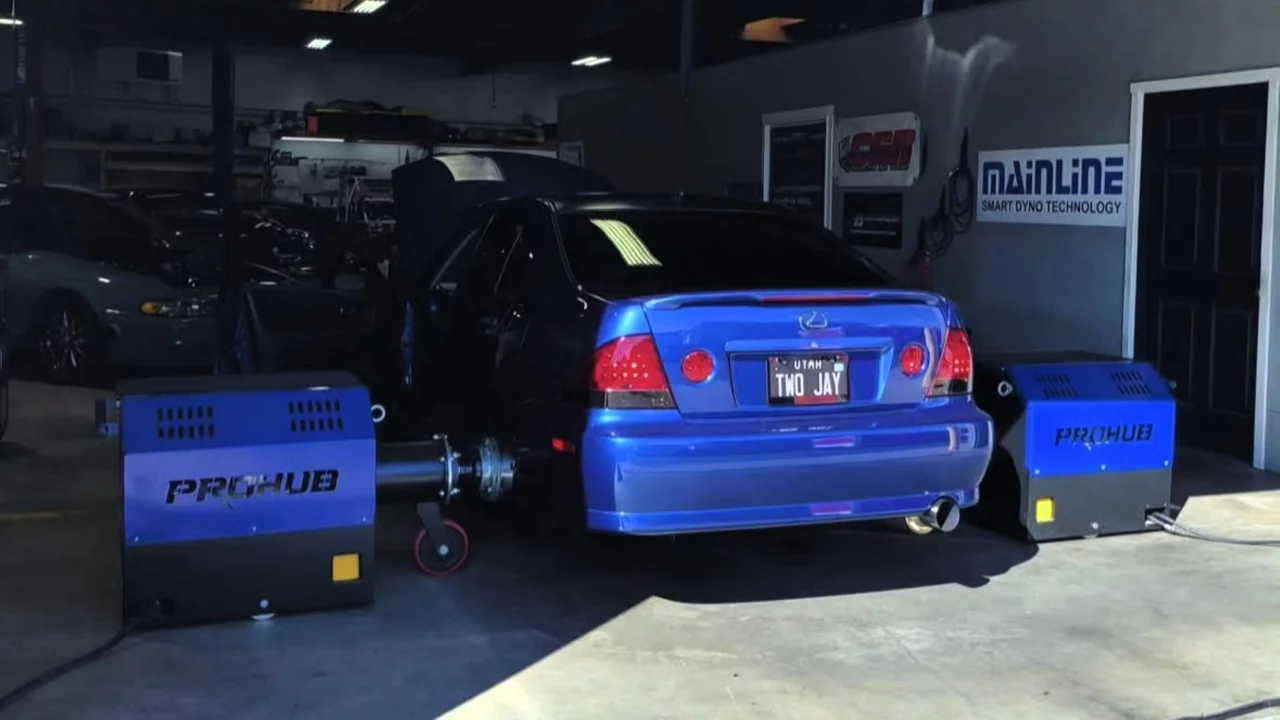
In recent weeks, he had the car dyno-tested to quantify just how much power he’s making with the latest updates. Here is the video for your viewing (and more so, listening) pleasure.
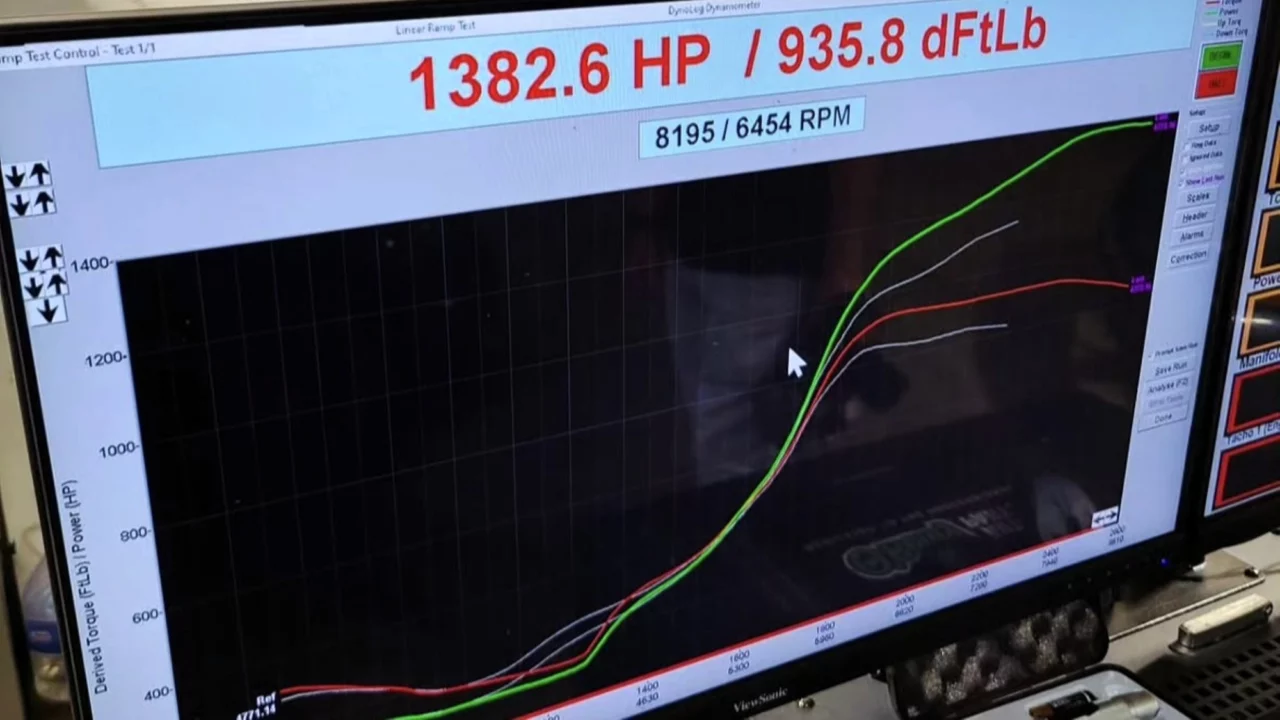
The final standings? The car made a staggering 1,382 horsepower and 935 lb-ft of torque.
Payton’s current build list is as follows:
- RS Garage/Jay Meagher built 3.2-liter 2JZ
- Precision Turbo Next Gen 8080 turbo
- Powerhouse Racing S1 exhaust manifold
- Powerhouse Racing triple fuel pump hanger (3×450)
- Injector Dynamics ID2600-XDS injectors
- Ethanol fuel (~E88)
- Hypertune intake manifold
- Bosch 82mm drive by wire throttle body
- Custom 6-inch intercooler
- Custom breather/catch tank (3x -12AN)
- Dual 3-port boost control solenoid
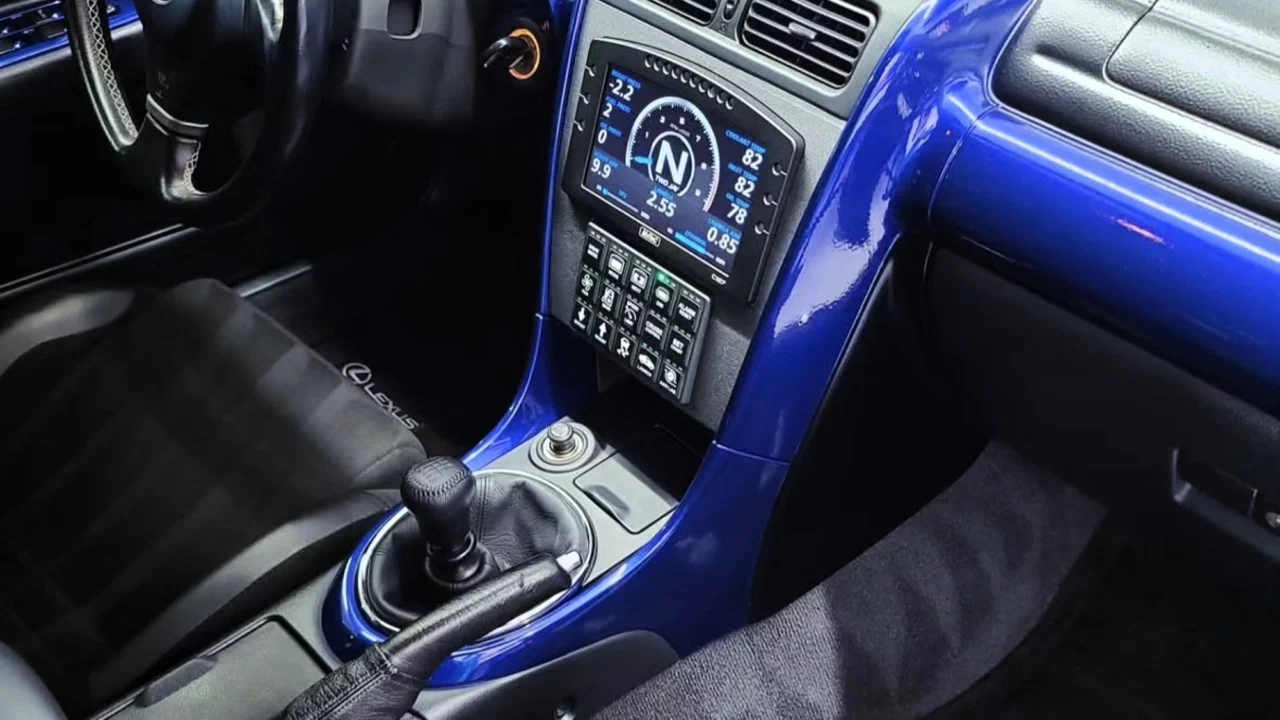
- MoTeC M150 ECU and C127 display with keypad
- Cody Phillips Racing custom wiring
- Induction Performance IGN-1A coil kit
- RIFE sensors
- Getrag V161 six-speed transmission
- RPS carbon triple-disc clutch
- DSS 3.8-inch carbon driveshaft
- Grannas Racing Ford 8.8-inch rear differential conversion
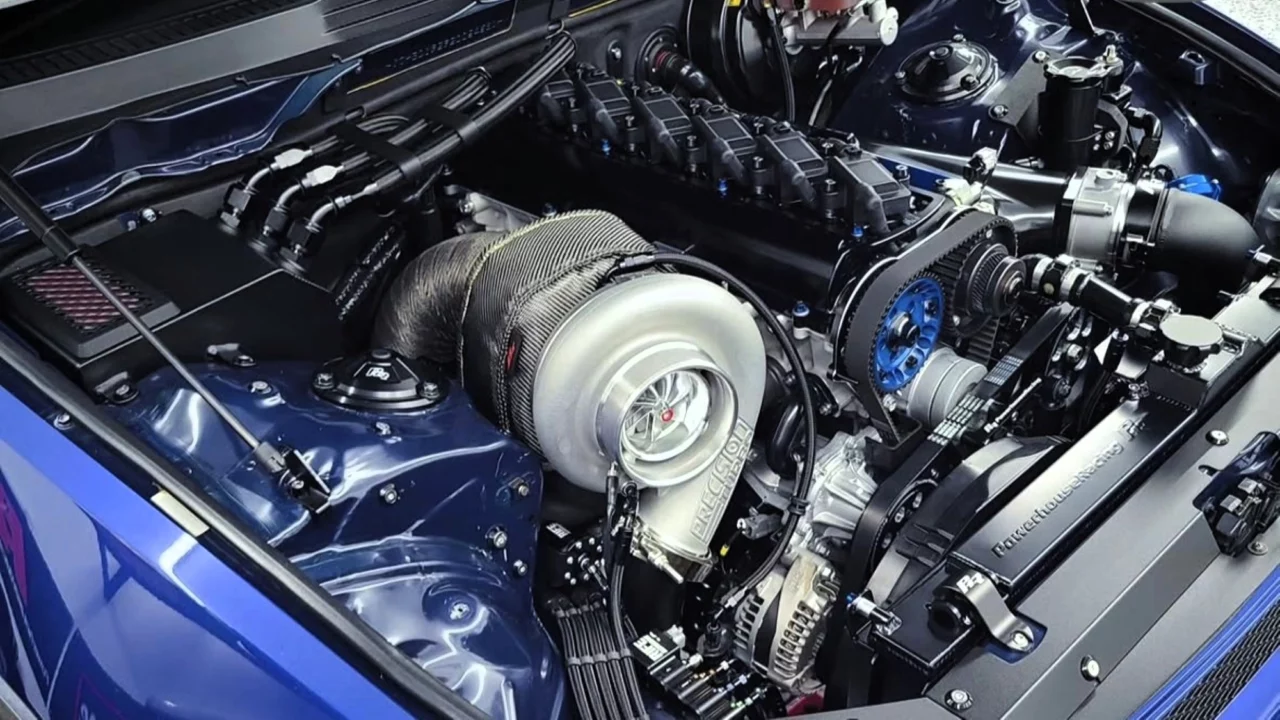
Payton gave specific credit to Jay Meagher of RS Garage, who has played a key role in the project over the 13-plus years of the build.
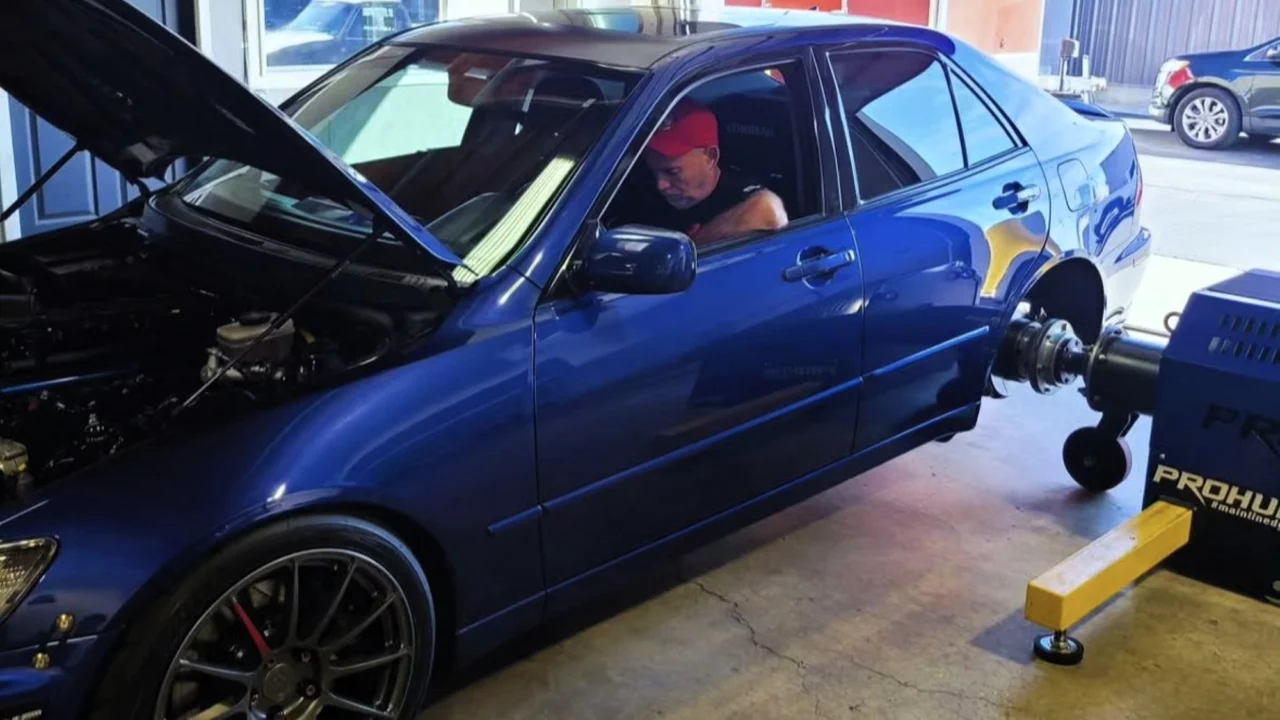
Payton said, “With the dual 3-port boost control solenoids, we were able to make runs from as low as 10 PSI all the way up to 40 PSI where it made 1382 HP / 935 TQ. We still had some solenoid duty and turbo speed left to work with, but decided to stop at 40 PSI with drive pressure starting to creep up at higher engine speeds. A larger exhaust housing may be a good upgrade someday. For now, I think I’ll have my hands full trying to manage anything near this power level.”
Now I’m wondering how fast Payton’s IS will go in the next half-mile event! And no, I won’t be attempting to beat him to the finish…