One of the things I’m proudest of in terms of my involvement with the collector car hobby is having been invited to judge at Concours d’Elegance events. Considering this anything but an honor is simply wrong. An invitation to judge is an acknowledgment that the person or organization behind the concours trusts your knowledge and ability to properly evaluate the vehicles in your assigned class. Just as important, they are trusting you to represent the event to entrants and spectators alike. Dressed in the traditional blue blazer and khaki pants — yes, that really is the usual uniform — judges are highly visible and, as a result, serve as ambassadors for the concours.
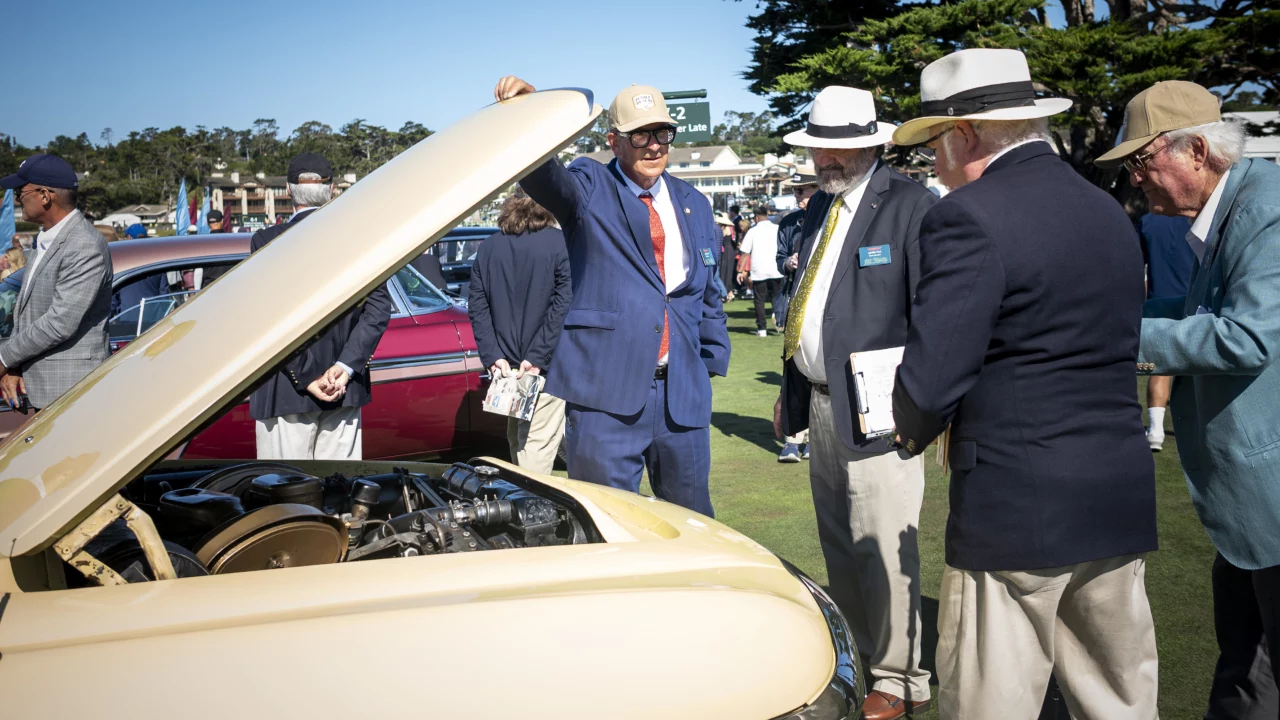
The first question people me about concours judging is how they can get into it. In my case, about 20 years ago, when I wrote full-time for Classic Motorsports magazine, I was asked to be a media guest judge at the Hilton Head Concours. Because I had never judged a concours before, I asked a lot of questions of the other judges when I arrived and listened to what they said. On the day of the event, I shadowed the other judges and did everything they told me to do in the judges’ meeting: thanking the cars’ owners both before and after judging, telling them how nice their car was regardless of where it fit in the scoring, and not touching the cars. Most importantly, I never told an owner what was wrong with their car, even if I knew something was incorrect. To my surprise, I was invited back the next year, and I have attended the Hilton Head Concours as a judge ever since.
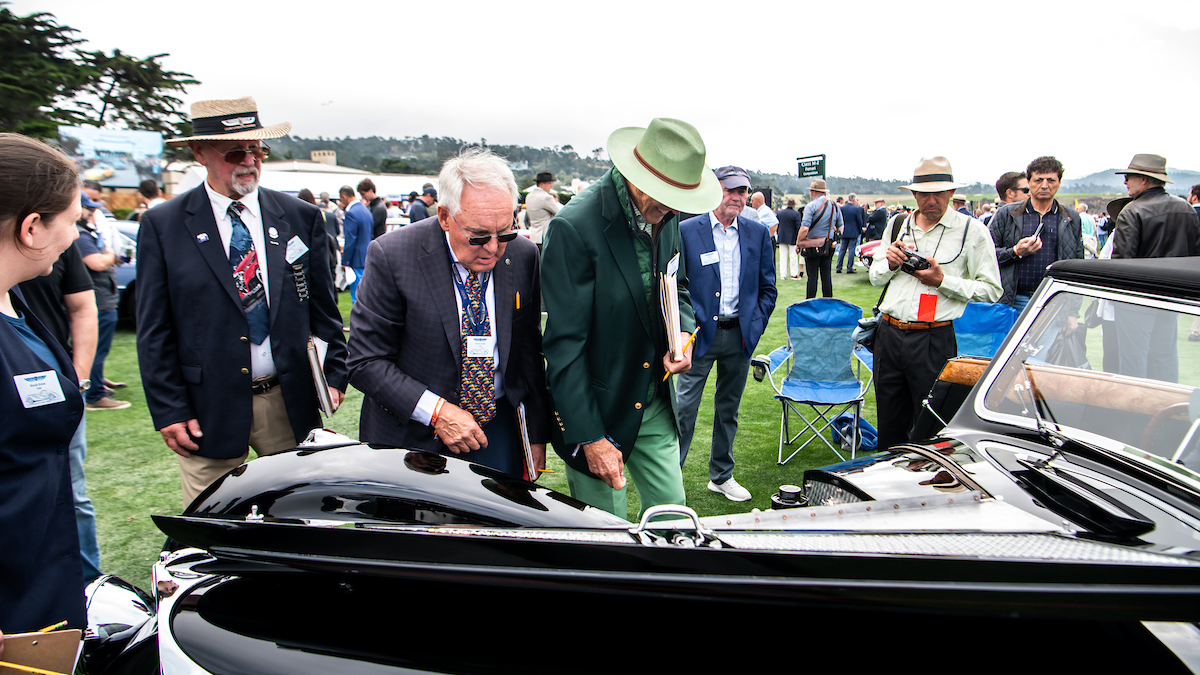
Since that first concours, I have been asked to judge at many others, both large and small, and have served as head judge at a few. I even launched my own Concours d’Elegance in 2020, and have shown cars at Amelia Island, The Quail: A Motorsports Gathering, Hilton Head, Pebble Beach, Greenwich, Radnor Hunt, Cincinatti, Misselwood, and Audrain. Experiencing top-level concours events from both sides — as a judge and as an entrant having my own cars evaluated — has given me a unique perspective on what makes a great concours judge. Along the way, I’ve learned many lessons about what a judge should do and, perhaps even more importantly, what not to do.
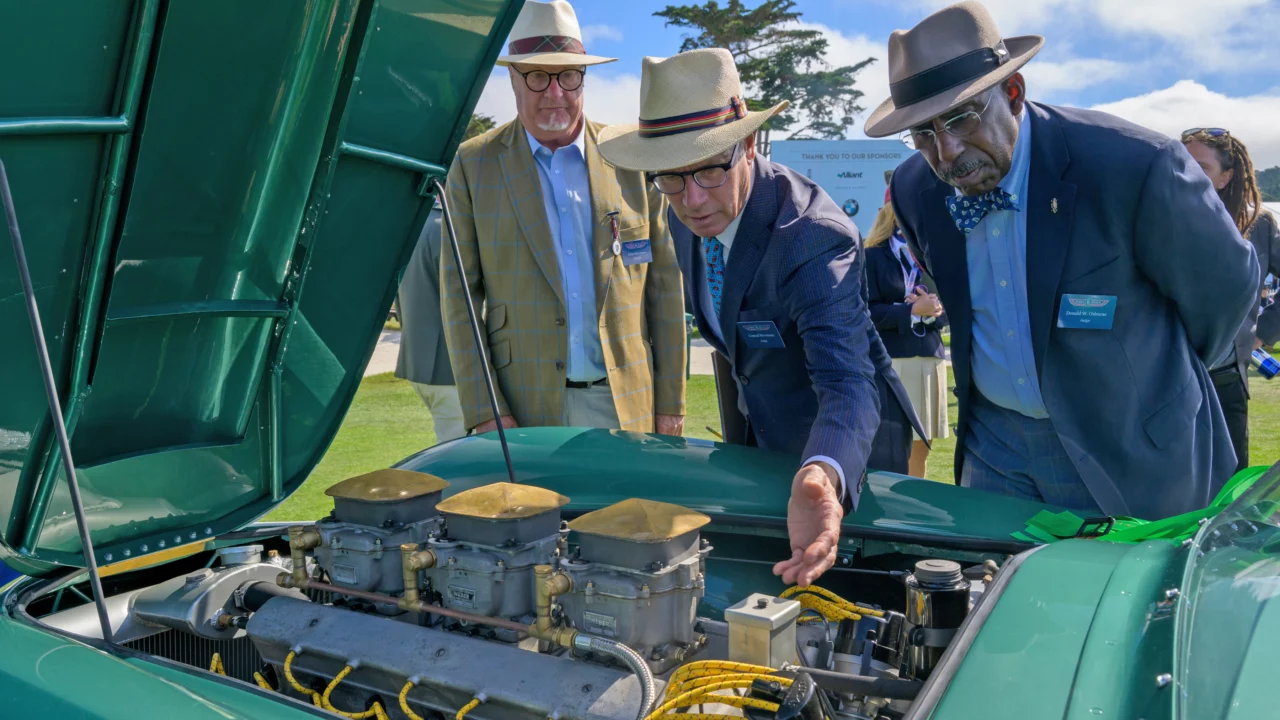
Let’s start first with the list of what a judge should do. These are not lofty expectations; they are the minimum requirements of the job. Having spent the past 20 years both judging at top concours events and showing my own cars at the highest levels in the U.S., I believe any judge who fails to meet these basic standards is simply not doing the job properly.

First up: Do your homework. Almost every Concours d’Elegance will send their judges the list of vehicles in their assigned class, along with the history of each vehicle. Rarely, if ever, are you going to know about each and every car in your class. Educate yourself as thoroughly as possible about every vehicle you will be judging. You are not going to become an expert overnight, but with some preparation, you can learn enough to ask informed questions and understand what you are looking at. That immediately tells the owner that you have taken the time to learn something about their car and are not simply a person in a blue blazer who was handed an assignment at the last minute. More importantly (and I say this from having been on the other side as an entrant), that preparation helps put the owner at ease. It demonstrates that you take their vehicle seriously, respect the effort they have put into presenting it, and care about doing your job correctly.
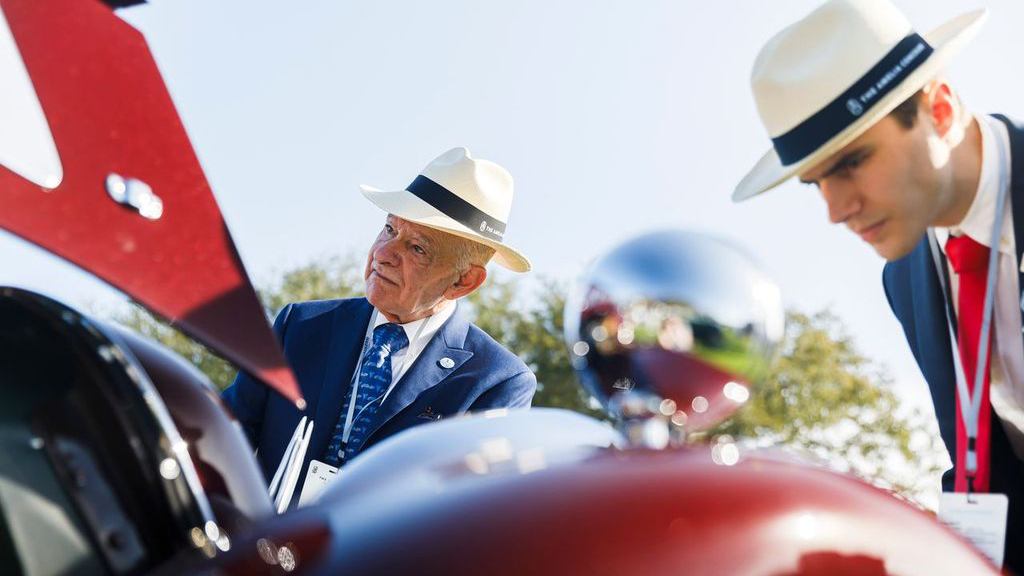
A few concours events “surprise” judges by giving them their list of vehicles on the morning of the show. Some people think this is a good idea. It is not. Judges should have enough time to prepare for the vehicles they will be evaluating. Sending them onto the show field without that opportunity puts them at a disadvantage and can quickly undermine an entrant’s confidence in both the judge and the event itself.

The second rule is more of a best practice. After you leave the judges’ meeting and get to the field, start by taking a walk through your entire class. Keep in mind that not every concours displays all the vehicles in a class together (yes, I do think this is stupid). Check with the class host to make sure every vehicle scheduled to be judged is actually on the field. Cars occasionally drop out, and the class host should know if that has happened. Once you have located and looked over every car in the class, you will have a much better sense of what you are dealing with before the actual judging begins.
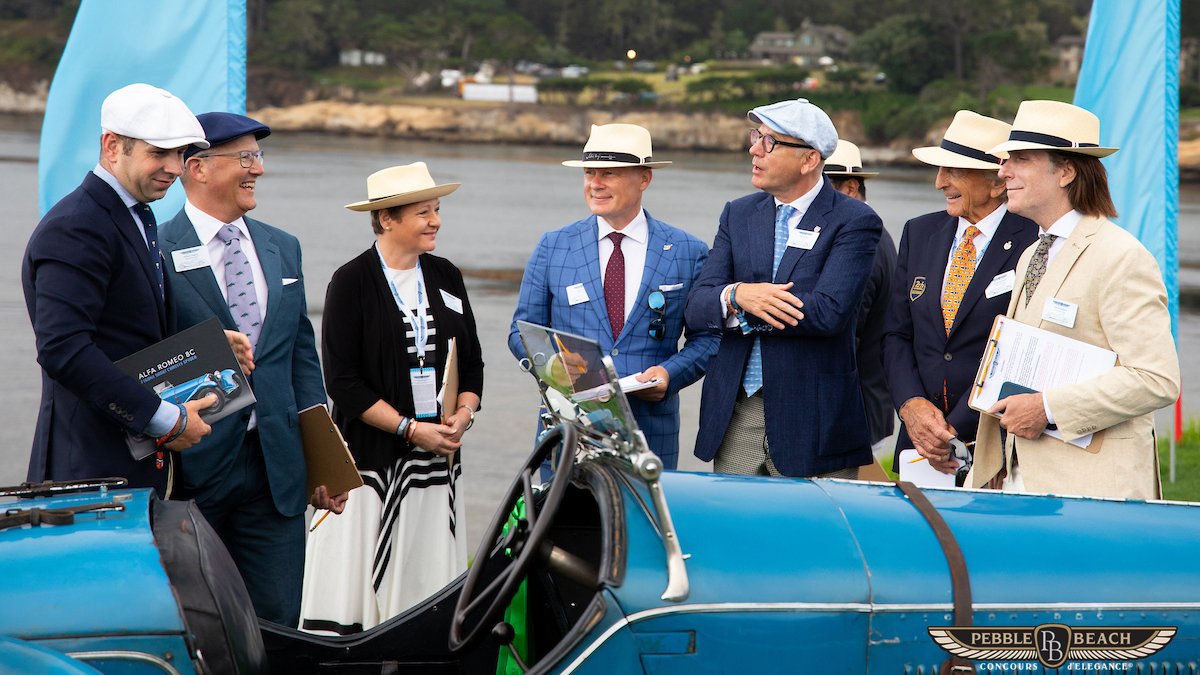 Photo courtesy of the Pebble Beach Concours d’Elegance
Rule #3 is simple but very important: When you arrive at a car to begin judging, start by thanking the owner and acknowledging everyone there with them — car handlers, spouse, kids, or anyone else who is part of the experience. Smile, introduce yourself, and let the owner know you appreciate their car and the opportunity to judge it. Remember, this is not an episode of “Law & Order” or “Dragnet.” Your job is not to interrogate the owner. Do everything you can to make the judging process comfortable and enjoyable. No matter which level of collector they are or how many times they have shown at Pebble Beach or Amelia, I know from my own experience that they are likely quite nervous. Approaching judging in this way immediately puts the owner at ease, allowing them to better tell you their vehicle’s story — information that may prove valuable during the judging process. When you have finished judging the car, take a moment to thank the owner and everyone with them once again.

The fourth rule comes into play when you return to the judging room to discuss the vehicles in your class: Listen to every member of your team. The best judging experience I ever had was judging motorcycles at Radnor Hunt. Each team developed a preliminary list of winners, and then all the motorcycle judging teams came together to discuss their results. Head motorcycle judge John Lawless had assembled an extraordinary group of knowledgeable judges, and inevitably, someone would spot something I had missed or knew more than I did about one of the motorcycles we were evaluating. While this may not be practical with other concours, there is likely someone in that judging room on another team who may know something critical to your results. If you have a question you cannot answer, ask the other judges. I do this whenever necessary because there is no reason to pretend you know something you do not when the answer may be sitting across the room. Drawing on that collective knowledge leads to better-informed results that make sense and, just as important, can be defended.
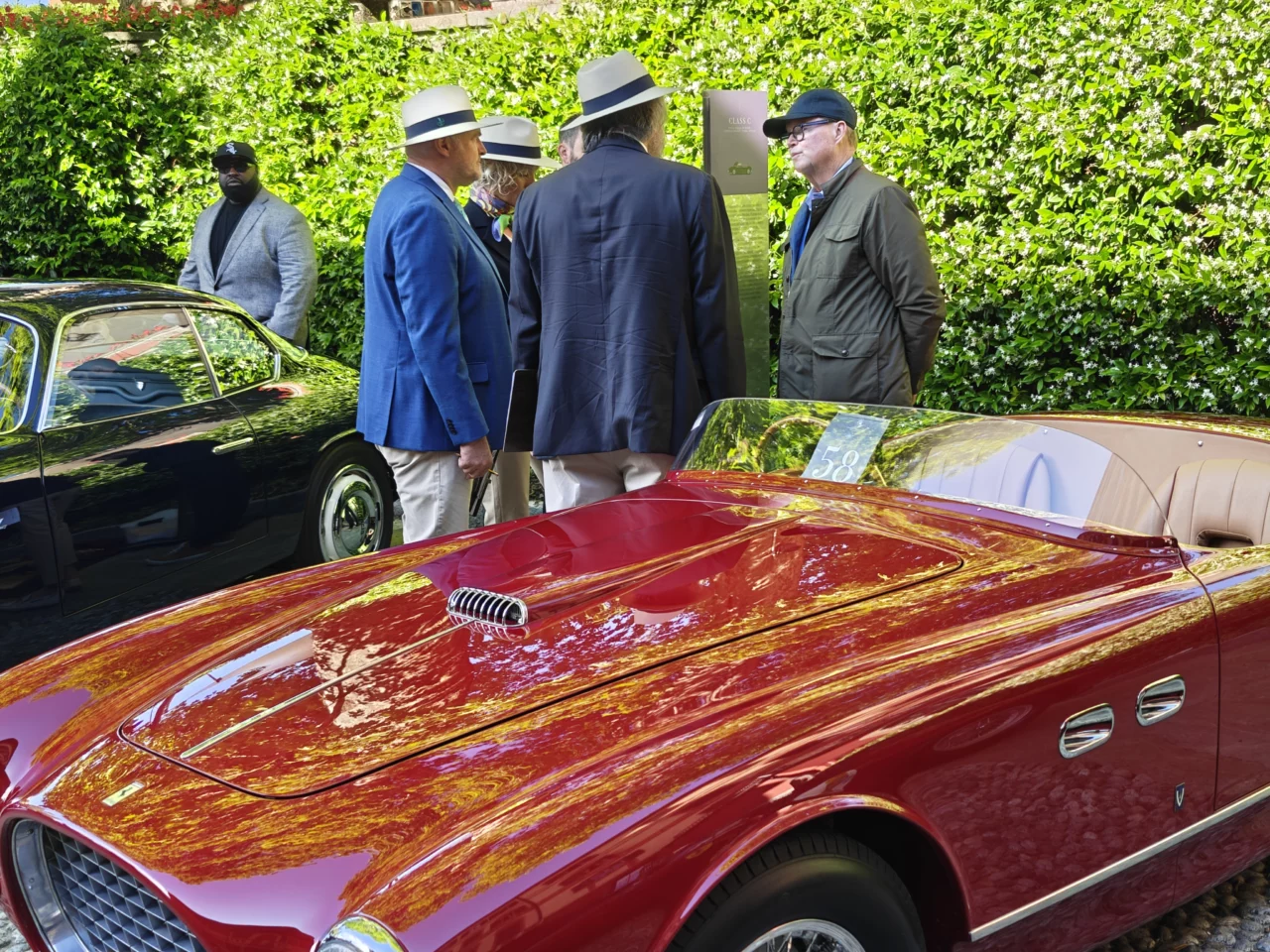
Rule #5 sounds easy but may not always be: Give an equal amount of time to every single car in your class. Yes, there will be cars that are at a different level, more rare, or have a more interesting history than others. Despite this, you need to be sure every owner gets the same amount of time to present their car. Sure, there might be a McLaren F1 and a Ferrari 512BBi in the same class, but do not spend any more time on one or the other, regardless of how amazing a vehicle is to you.
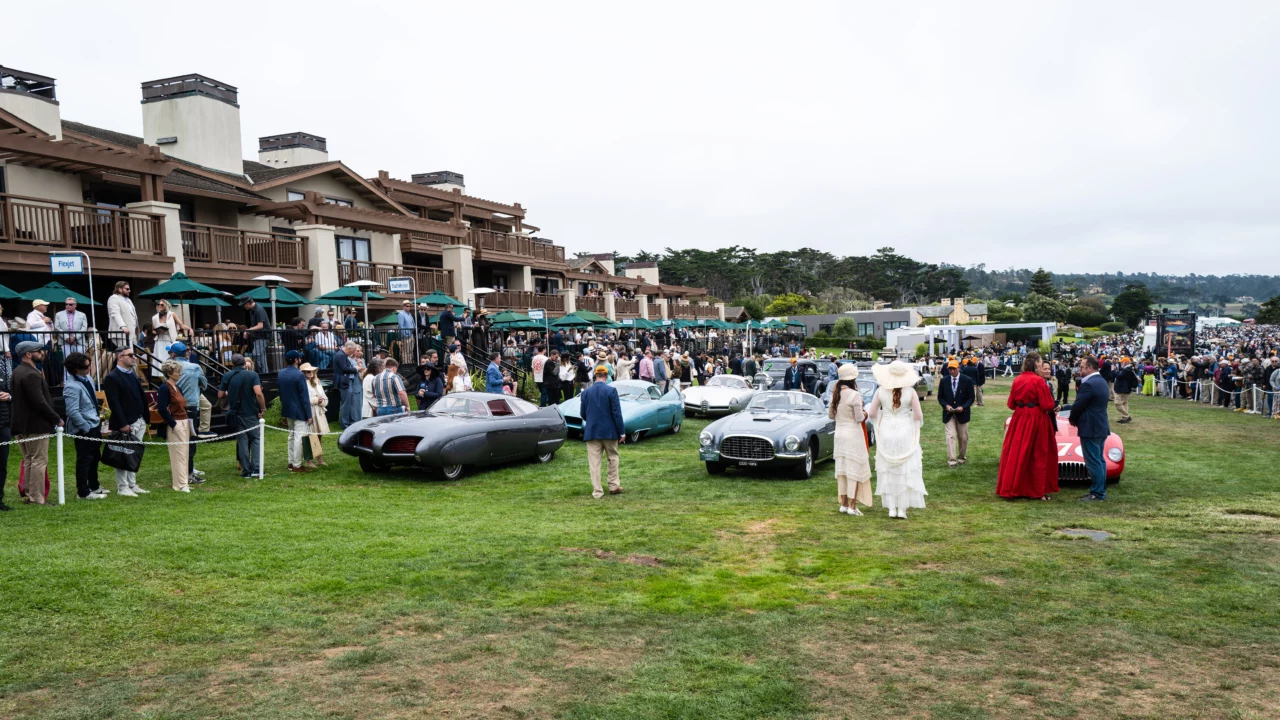
Finally, when you go out to present the award ribbons, thank everyone again — whether they won an award or not. After presenting the ribbons, I make a point of spending additional time with the entrants in my class who did not win, and I try to do the same with non-winning entrants in other classes as I walk the show field. This tends to make even those who did not win still feel that showing their vehicle at the concours was a worthwhile experience. Remember what I said in the beginning of this story: You are an ambassador of the event.
Now for what not to do. Unlike some of the best practices I’ve discussed, these rules are non-negotiable. Every judge should follow them every time, and those who do not should not be invited back. These expectations have been clearly explained at every judges’ meeting I have ever attended, yet I continue to see them ignored far more often than I ever expected.
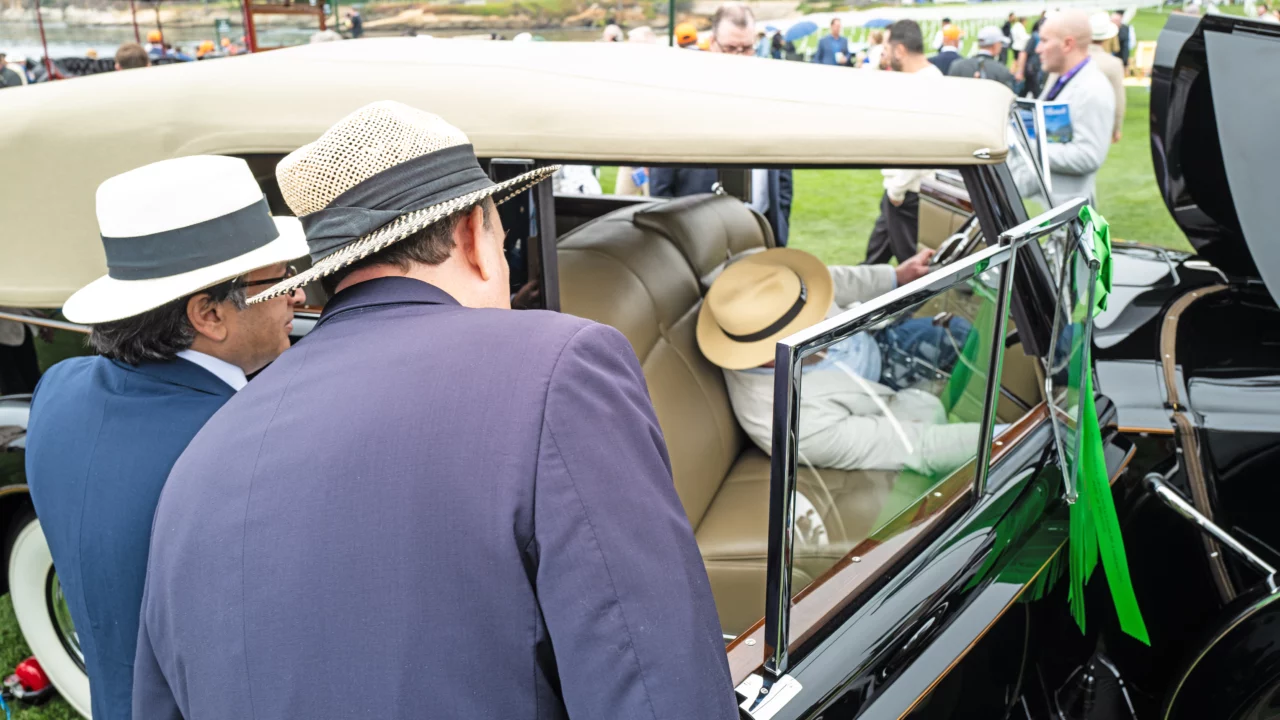
Rule #1 is simple: Do not ever touch the owner’s car during judging. If you break something, scratch the paintwork, or even put fingerprints on the chrome, the concours could be liable for damages. The bigger reason is that it is not your vehicle. Being a judge does not give you license to sit in or touch a vehicle that does not belong to you. It is likely very expensive and has undergone many thousands of dollars of work to prepare it for the show field. There have been only two occasions when I have ever touched an entrant’s vehicle, and both were long after the judging had been completed. In each case, I knew the owner personally and was specifically invited to sit in the vehicle. One was the Bugatti Type 57 originally owned by Ettore Bugatti, and the other was a Britten motorcycle. Even with the owner’s permission, I was uncomfortable doing it and followed the directions of the owner and handlers with extreme care. Other owners have extended similar invitations over the years, but I have declined.
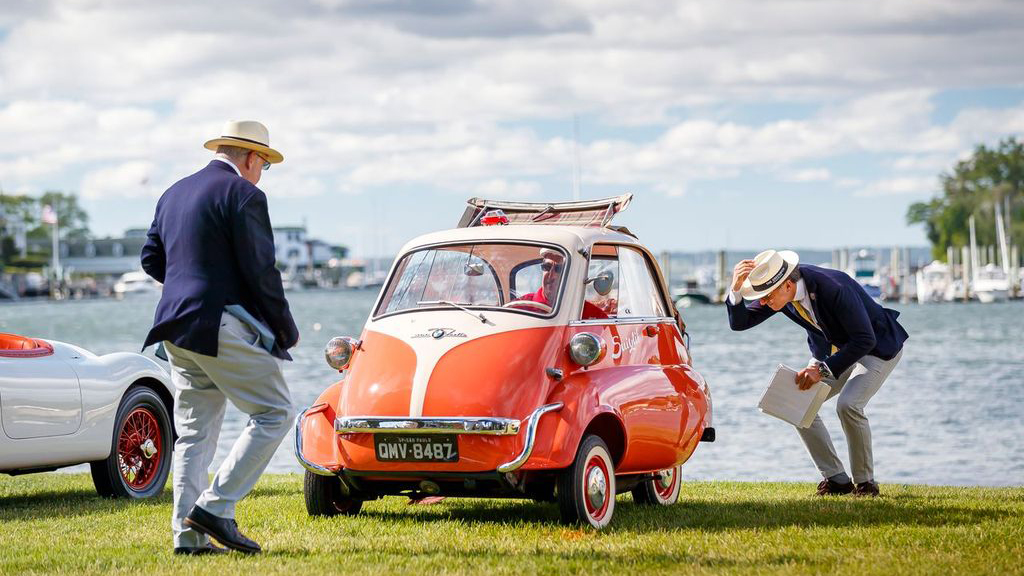
The second rule of what you shouldn’t do is simple: Never judge a car without the owner or handler present. Looking over an exhibitor’s vehicle with your judging team when no one is there to present it is not judging. If no one is with the vehicle when your team arrives, ask the class host to locate them. Move on to the next vehicle and return when the owner or handler is present.
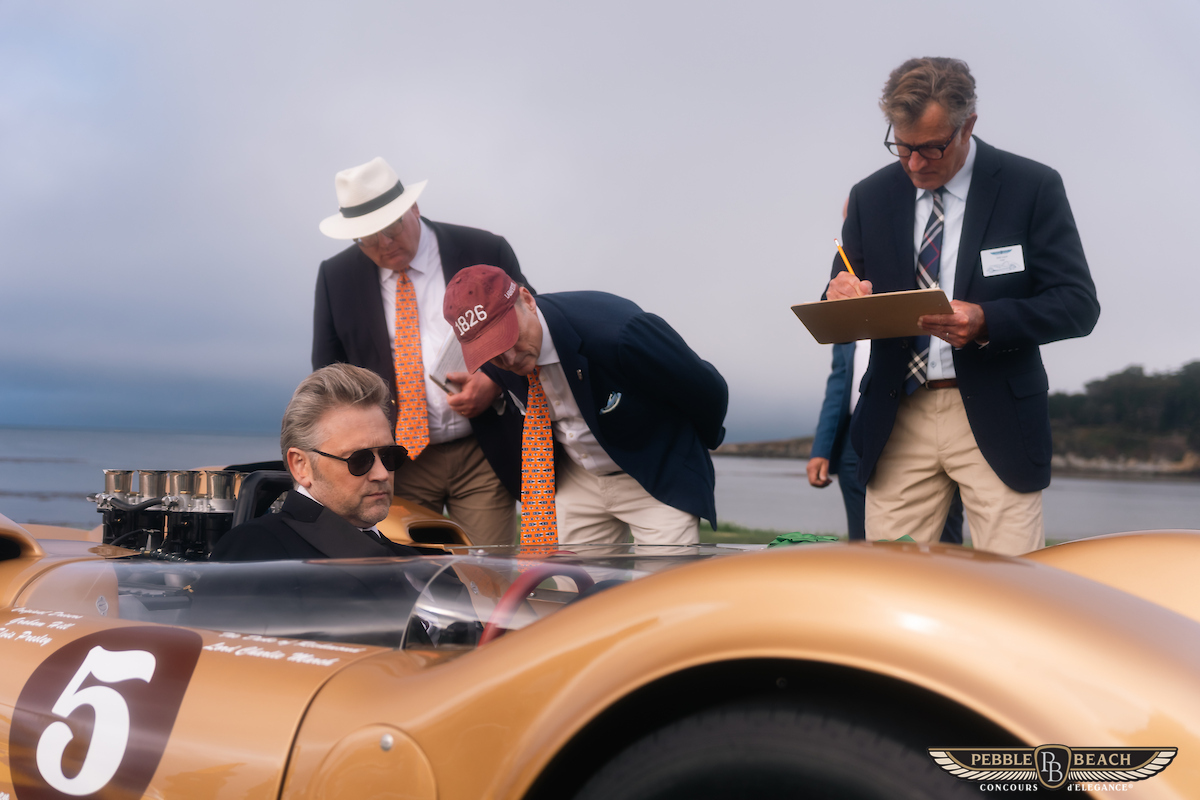 Photo courtesy of the Pebble Beach Concours d’Elegance
The third “don’t” rule is super important: Never tell an owner what is wrong with their car. This is something that I see and hear judges do way too often. Pointing out the flaws of a vehicle to the owner is not the job of a judge. If you have a question about a detail, ask the owner to tell you about that specific part. That will tell you what you need to know. In addition, when discussing potential issues you noticed with a vehicle, never have that conversation anywhere the owner or spectators might overhear it. Judging deliberations should always remain private. If something needs to be discussed immediately, move well away from the vehicle before speaking with your team. Better yet, make a note of the issue and discuss it later in the judges’ lounge when your team is reviewing the vehicles and tabulating the scores.
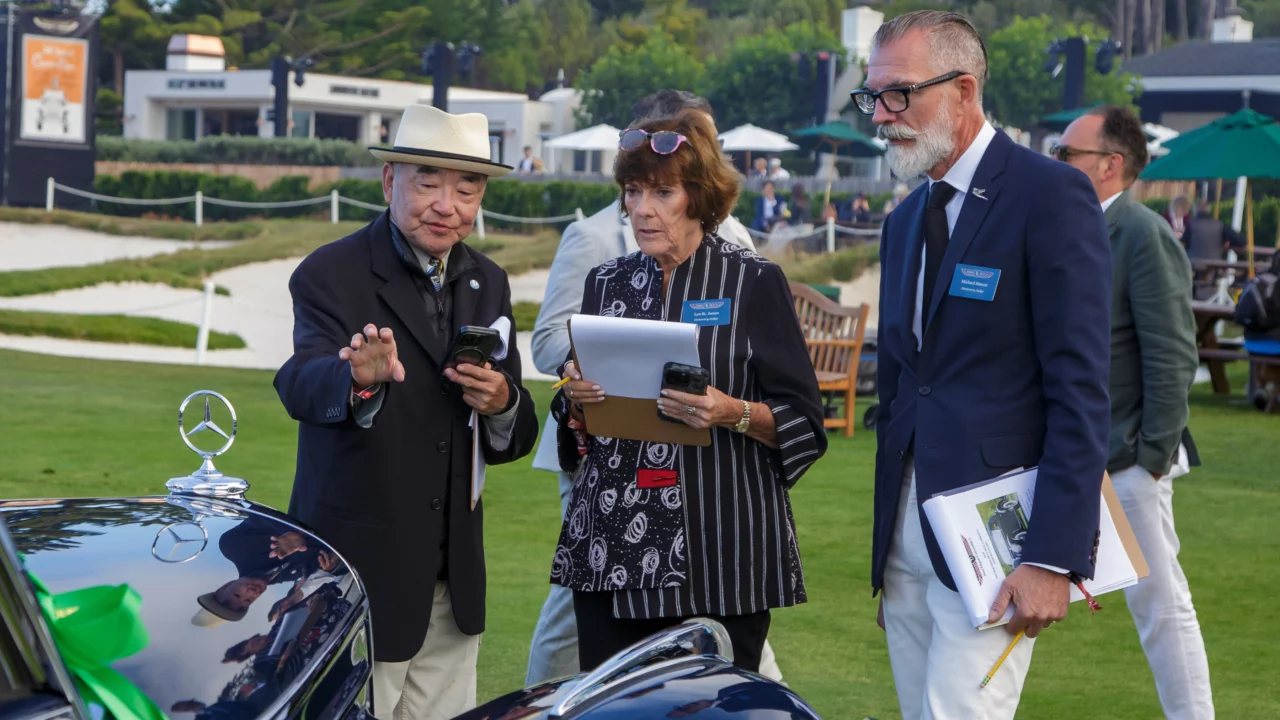
The fourth thing you should not do as a judge is the inverse of the “to-do” rule above about equal time. Never tell an owner you only have a little bit of time and rush them. Keep them on track by asking direct questions, ask them to give you a short history of the vehicle, and then do any systems checks afterwards. Rushing an owner makes them even more nervous and could cause them forget to tell you something important that could affect the judging results. It can also give the owner the impression that you simply do not care about their vehicle. Anything a judge does to convey that kind of indifference is simply unacceptable.
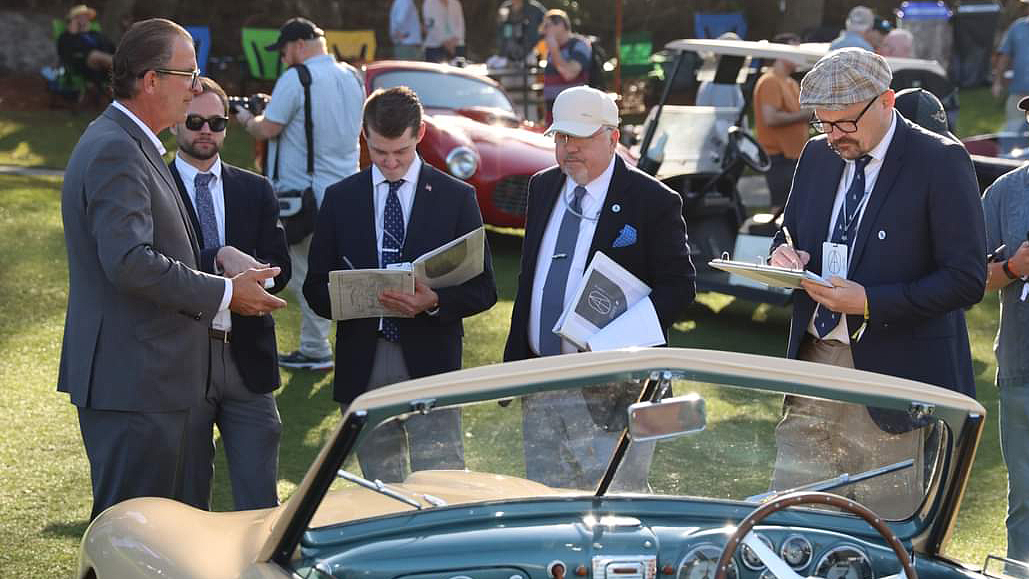
Rule #5 in the “don’t do” list is a personal pet peeve of mine: Do not ever tell the owner of a car you’re judging a long story about the vehicle you personally own that is just like it. This is not the time to tell stories about your cars. This is their time; the entire reason you are there is to listen and let the entrant present their vehicle.
If you own a similar vehicle and feel compelled to share your stories, come back and talk with the owner after the judging is finished. Personally, I prefer not to do even that because it can shift the focus away from their experience as an exhibitor. Never forget that without owners willing to bring their vehicles to a concours, there is no concours. The exhibitors are the most important people on the show field. It does not matter whether you are a judge who has won Le Mans five times or the world’s foremost authority on 1950s Ferraris. This is not your day to shine. It is theirs.
 Amelia Concours Automotive Photography by Deremer Studios, LLC
I hope this advice is helpful to those who have yet to judge at a concours, as well as those who have been doing it for years. Following these guidelines will not only make you a better judge, but, more importantly, help ensure that owners feel good about bringing their vehicles to an event. Showing a car at a concours requires a significant investment of time, effort, and money. For that commitment to feel worthwhile, owners need to enjoy the experience and know that they and their vehicles have been treated with the respect they deserve. Whether they leave with a trophy or nothing more than memories of a great weekend should not change that.
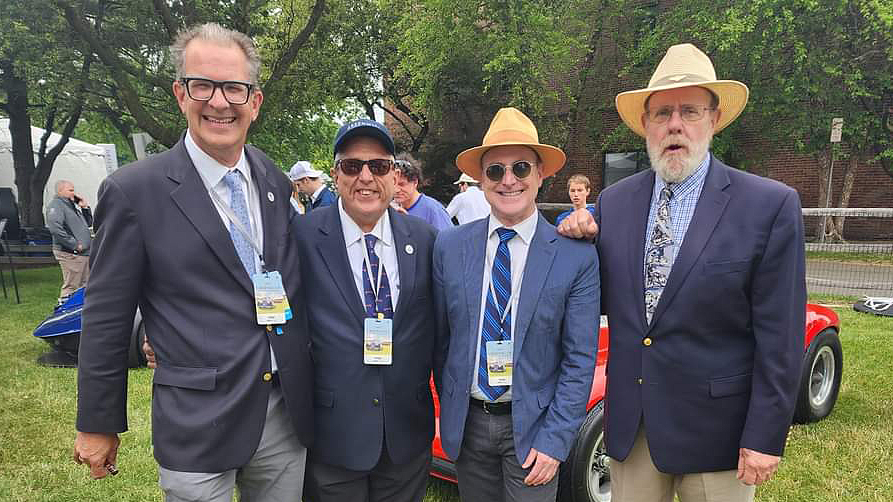
Being asked to be a concours judge is always an honor and never a privilege, no matter how many times you have been invited. Thinking along those lines not only makes the job more enjoyable but has also led to some of my greatest friendships, both with other judges and with entrants. So if you are asked to judge at a concours, be sure to be the best ambassador for that event you can be.