It’s been more than two weeks since the 2026 Pebble Beach Concours d’Elegance, but I still have a wonderful hangover from the event. Since then, I’ve been researching prewar cars, even ordering a book about Cord 810/812 models. This past weekend, I went down a rabbit hole full of Duesenberg brochures. In one of those from 1929, the same year The Great Depression started, the maker of “The World’s Finest Motor Car” showed just how confident it was in its vehicles.
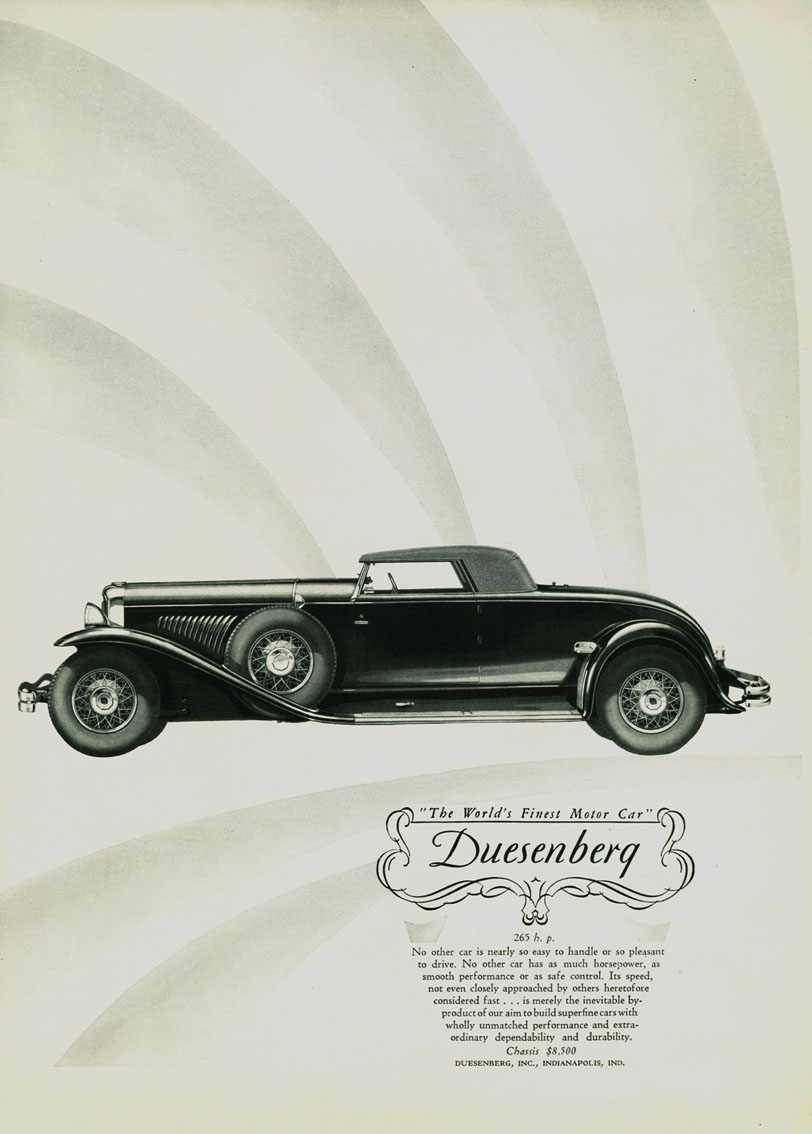 Images courtesy of www.lov2xlr8.no
Three years before the financial world melted down, entrepreneur E.L. (Errett Lobban) Cord bought Duesenberg Automobile and Motors Company of Indianapolis and renamed it Duesenberg, Inc. Two years later, the revamped version of the Duesenberg company released the stately and luxurious Model J, which went on to become one of its most well-known models. In fact, the Cord era produced cars that are legendary nearly a century later: Every Duesenberg that’s ever won Best of Show at Pebble Beach was made after Cord took over.
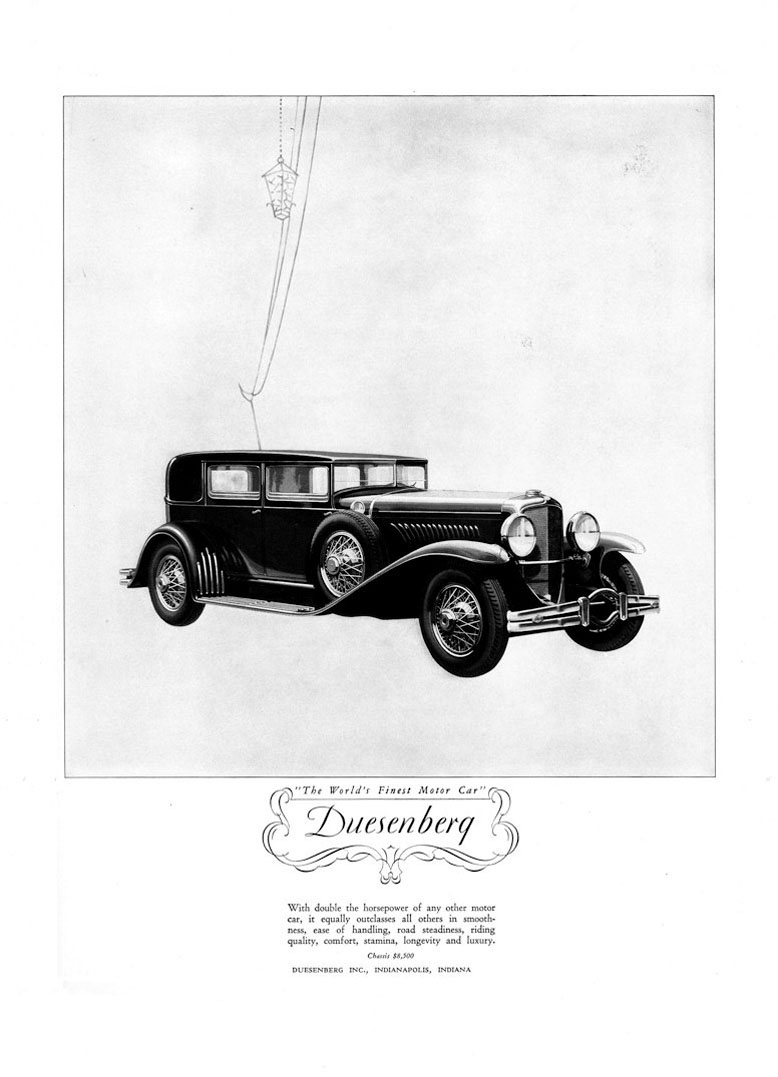
Then in 1929, a combination of Wall Street speculation, bad moves by the Federal Reserve System, legislative missteps, and other factors started The Great Depression, a financial disaster so potent that it lasted a decade. As devastating as it was, there were still people (such as celebrities and titans of industry) with plenty of money to spend on cars. A New York Times article from November 1929 stated, “The average cost of 43,320 one-family dwellings in eighty-five cities built in 1929 is estimated at $4,902.” As Duesenberg’s promotional materials at the time show, just the chassis for one of its cars retailed for $8,500, never mind the separate coachwork.
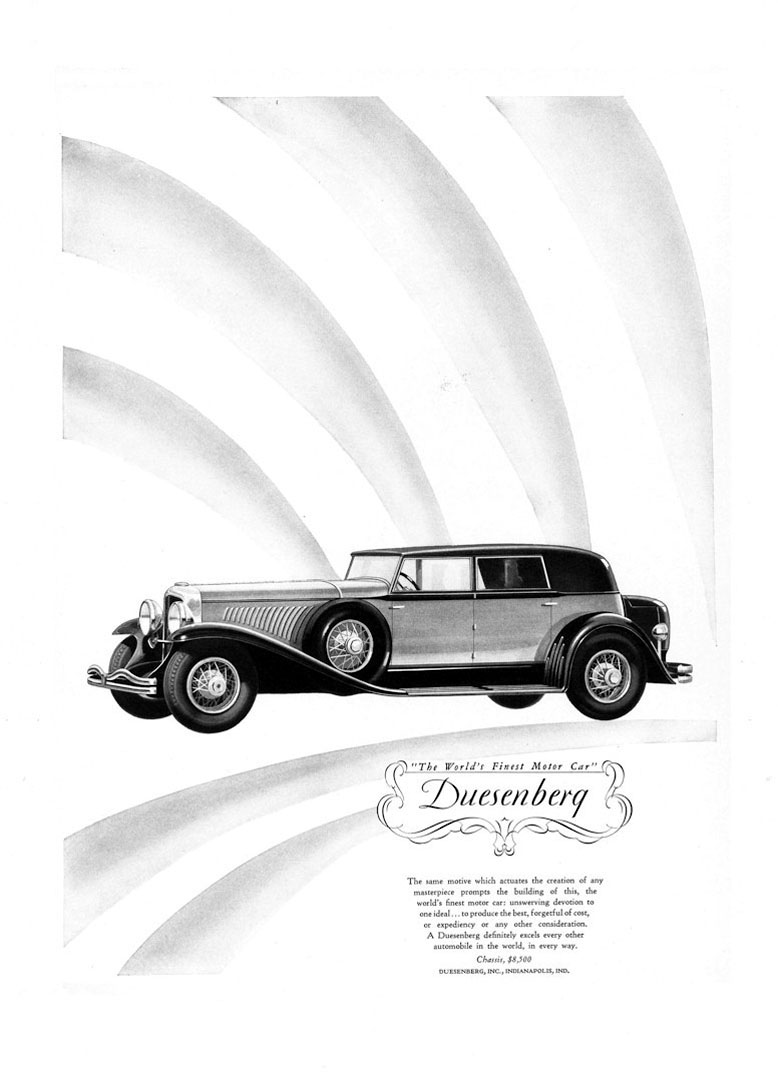
In a catalog, Duesenberg compared its vehicles, such as the Sport Phaeton and All Weather Cabriolet, to the Taj Mahal, a Grecian vase, and a Rembrandt painting. But before you think the suits at Duesenberg were full of themselves, just hear them out: “We say this without egotism. The superlatively fine has no need to be boastful. So confident is Duesenberg of the unquestioned supreme position its product occupies, that a nameplate is considered superfluous. Nowhere on the car do you find the name Duesenberg.”
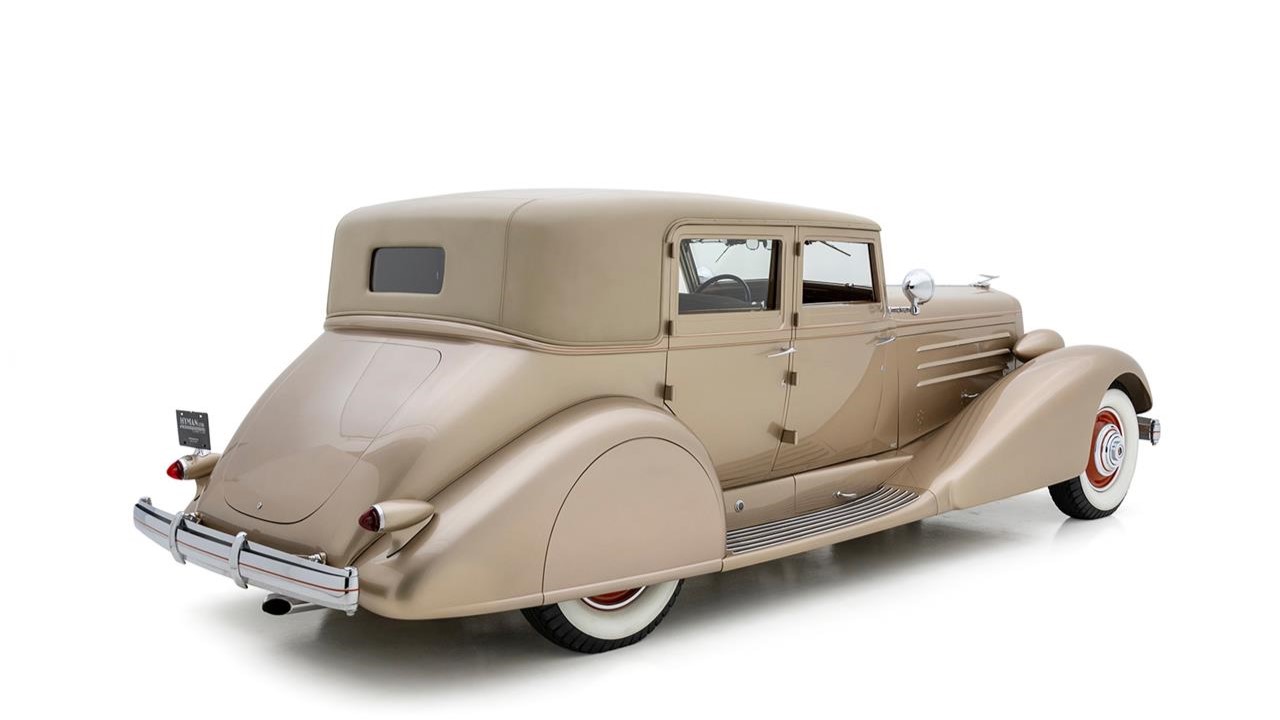 Click here to learn more about this 1929 Duesenberg Model J available on ClassicCars.com
Judging by the 1929 Duesenberg Model J above, that claim was technically true (unless you count the wheel center caps). What’s also true is that Duesenberg went through the trouble of printing catalogs to say, “We don’t need to draw attention to our cars with badges, but we’re letting you know that we don’t need to draw attention to our cars with badges.” In other words, “Hey, look — nothing to see here!”