The year 1926 was a long time ago, but it just hit me that it was 100 years ago! And that’s exactly when Bugatti introduced a car with an undeniable mystique and an important place in automotive history: the Type 41 Royale.
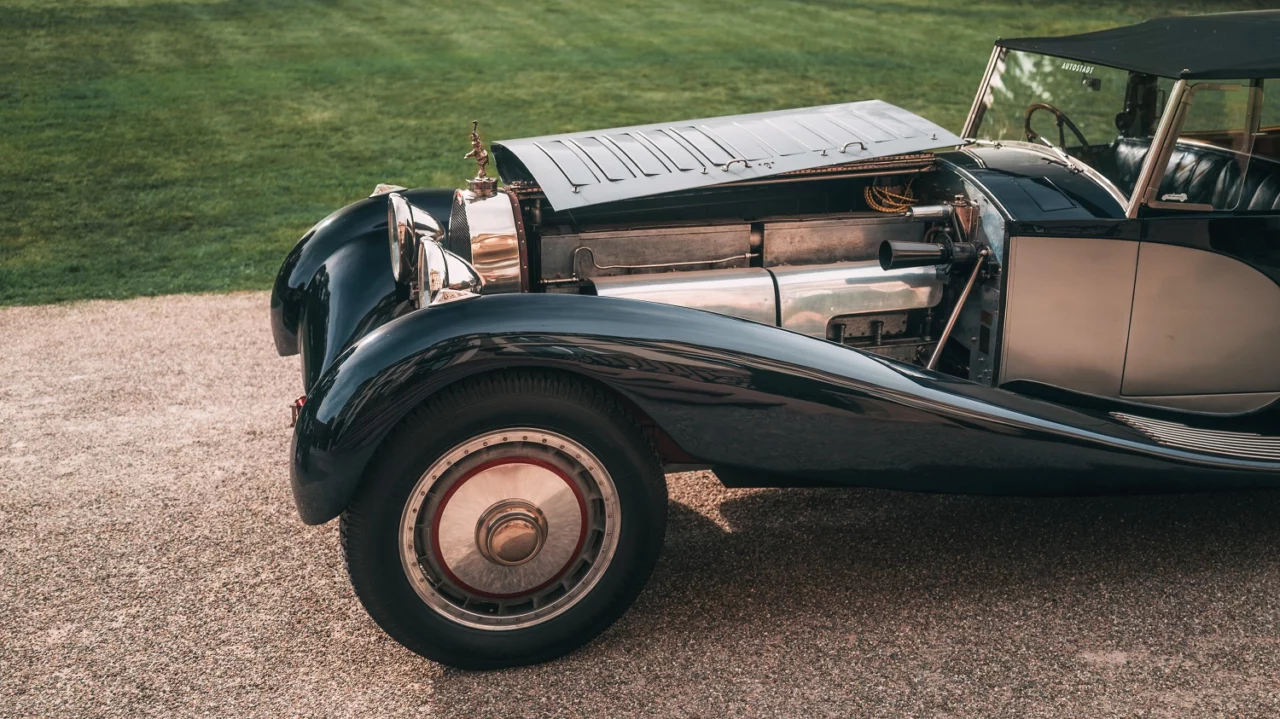 Photo courtesy of Bugatti
If the name implies that the Royale was intended for royalty (which it was), then the grand proportions state it clearly. When it was introduced in 1926, the Royale was the largest car Bugatti had ever made, measuring more than 19 feet long and riding on a 14-foot wheelbase. Under the forever-long hood was a 295-horsepower 12.8-liter straight-eight with dry-sump lubrication. Despite the Royale’s weight of approximately 3.5 tons, Bugatti reports a top speed as high as 124 mph (no word on it the brakes melted — or exploded — when the Royale had to come to a stop).
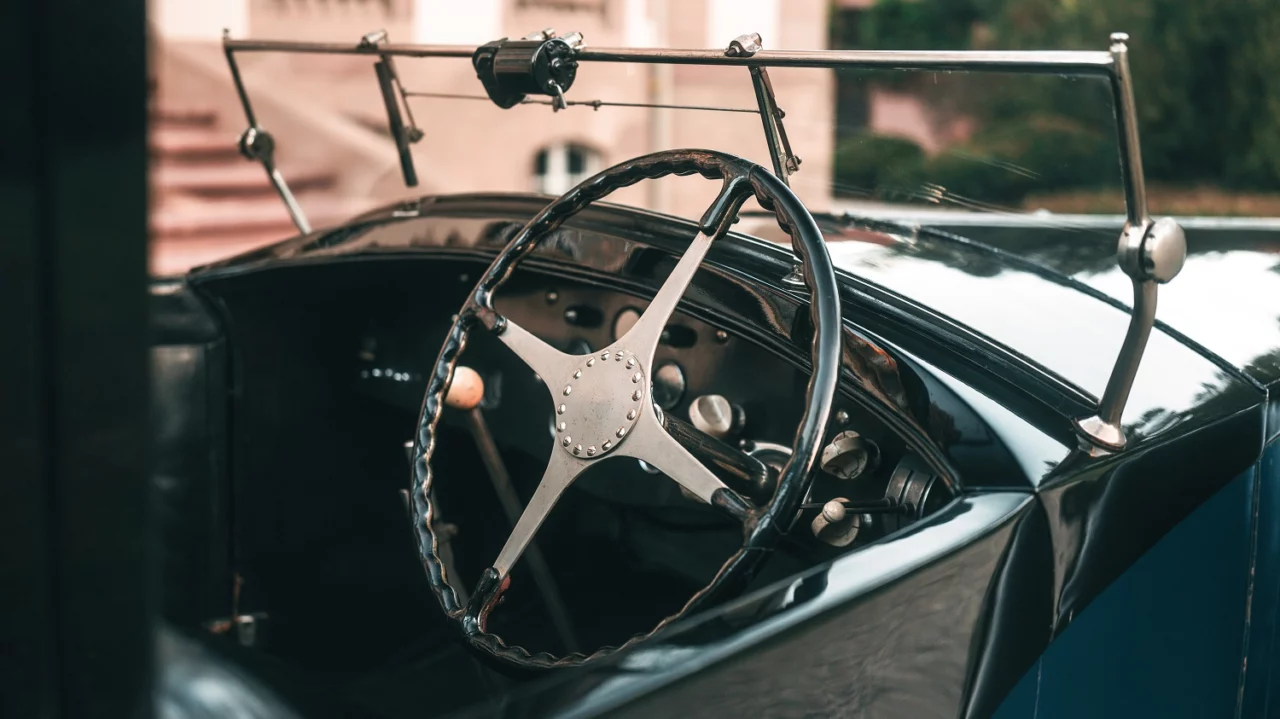 Photo courtesy of Bugatti
Thanks to economic conditions that didn’t favor cars that only the ultra-wealthy could buy, Bugatti built only six Royales. Bugatti and coachbuilders such as Weymann, Kellner, Weinberger, Binder, and even Park Ward supplied the custom bodies. Although the exteriors were different, all the cars featured a walnut steering wheel, whalebone control knobs, and “Dancing Elephant” radiator ornament sculpted by Ettore’s brother Rembrandt.
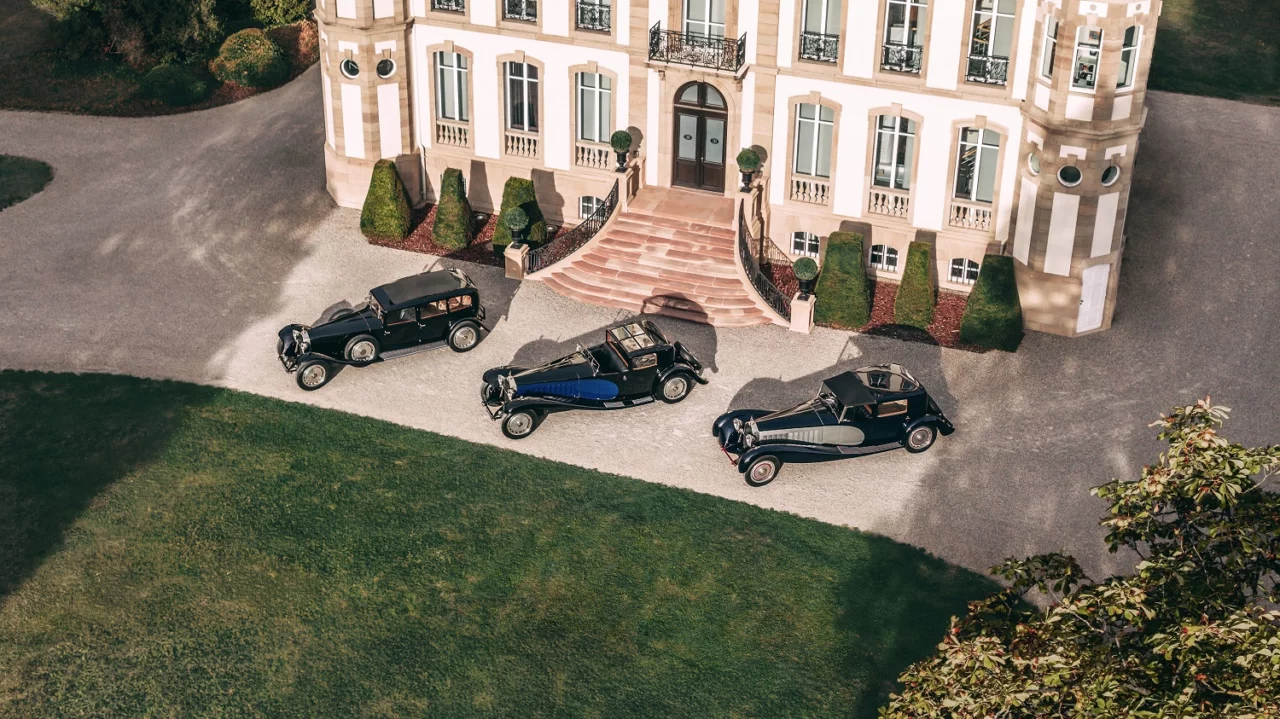 Photo courtesy of Bugatti
Three of those Royales came together earlier this year as part of the Bugatti Festival in Molsheim, France. One was a Park Ward-bodied limousine with dual side-mounted spares delivered to a British customer in 1933. Ettore’s son Jean designed the original roadster body for chassis 41111, which Parisian textile entrepreneur Armand Esders purchased; as shown at Molsheim, the car — the same one that won Best of Show at the 1966 Pebble Beach Concours e’Elegance — had a subsequent armor-plated Coupé de Ville body shaped by Henri Binder.
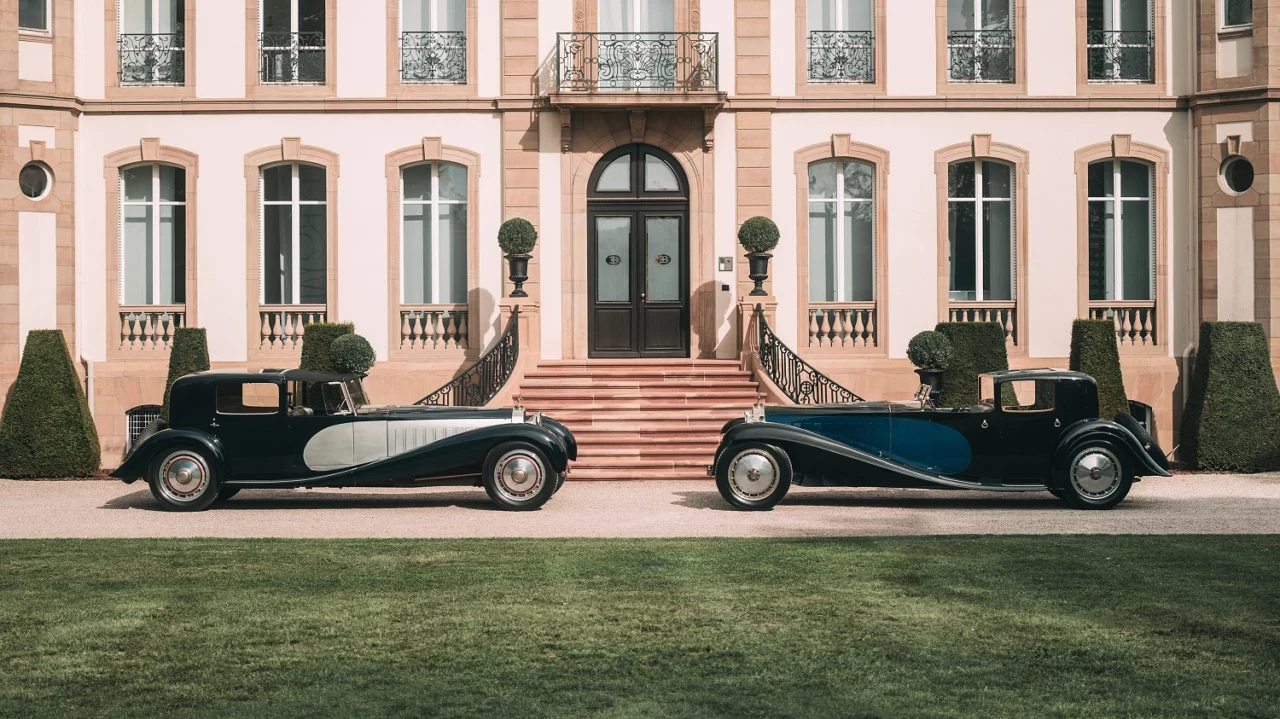 Photo courtesy of Bugatti
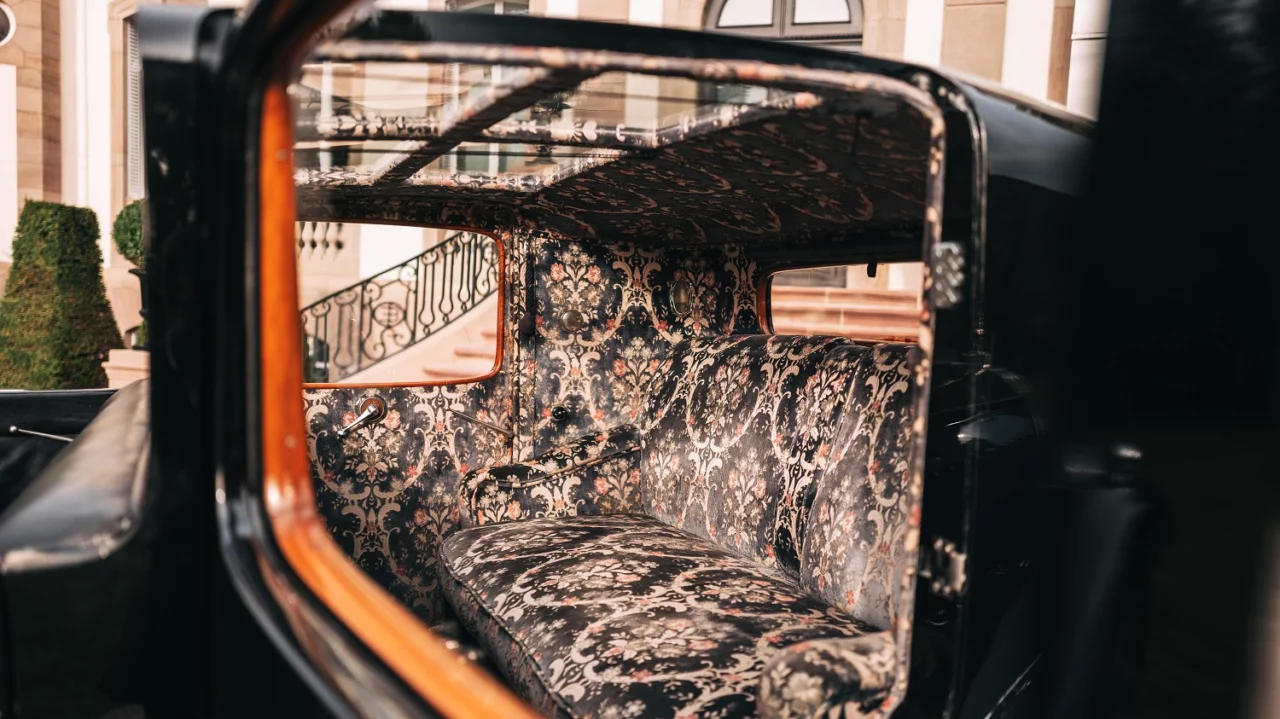 Photo courtesy of Bugatti
Arguably the most significant of the trio was the Royale Coupé Napoléon, aka the “Coupé du Patron.” As you might have guessed, Ettore himself picked this one as his personal car. At one point in its life, it was a fixed-roof car with coachwork by Weymann, but it was destroyed in an accident in the early 1930s. Jean salvaged it by giving its current shell, which features an open compartment for the driver and a four-panel glass roof over the ornate and colorful fabric-lined passenger compartment.
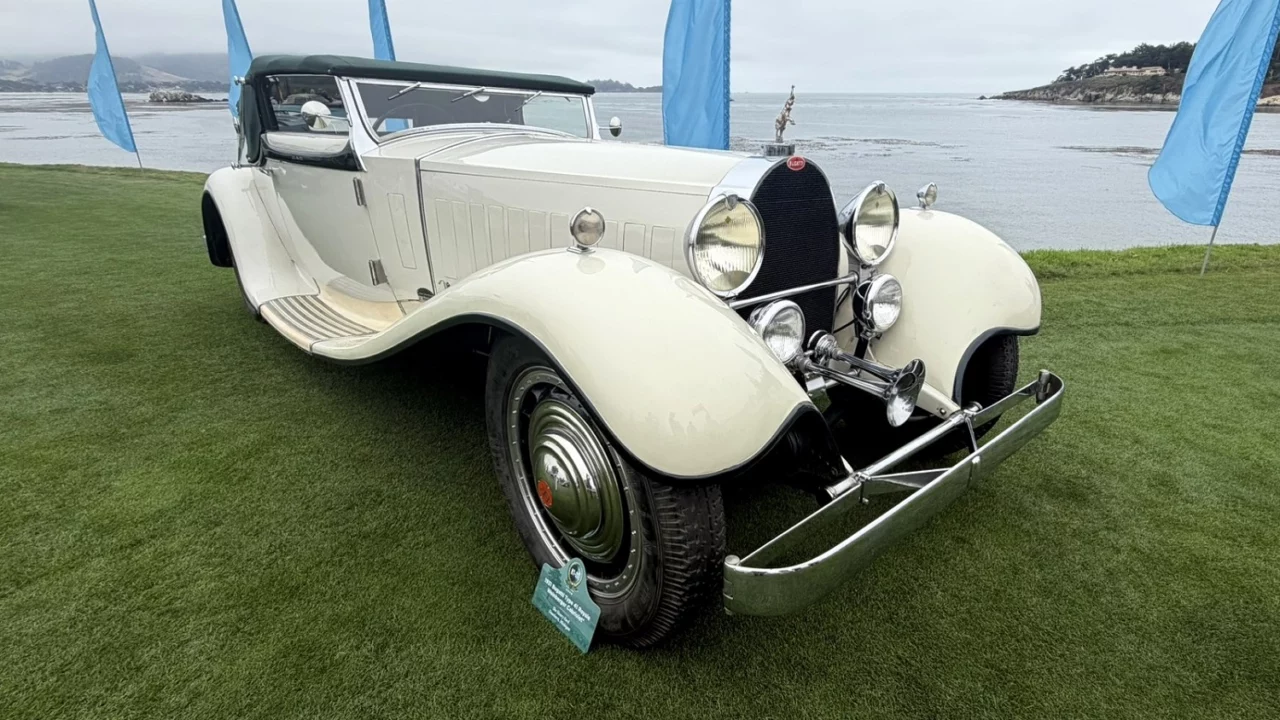
Back in 1985, all six Royales assembled at the Pebble Beach Concours, elevating the status of the event to new heights. Only one of those was on the 18th fairway of the Pebble Beach Golf Links this year: the Weinberger Cabriolet bodied by Ludwig Weinberger of Munich, Germany. It was originally delivered in 1932 to a German doctor by the name of Joseph Fuchs, who brought it with him to the United States while escaping Germany during World War II. New York’s winter weather cracked the block in the late 1930s, so Fuchs abandoned the car.
After that, the Royale Weinberger Cabriolet received much-needed TLC from people associated with brands far from France. Buick’s chief engineer Charles Chayne restored the Royale in the 1940s, upgrading the engine to quad carburetors and switching the mechanical brakes to a hydraulic setup. In 1958, Chayne donated the car to The Henry Ford museum, which currently owns it and was kind enough to display it during the 75th Pebble Beach Concours.