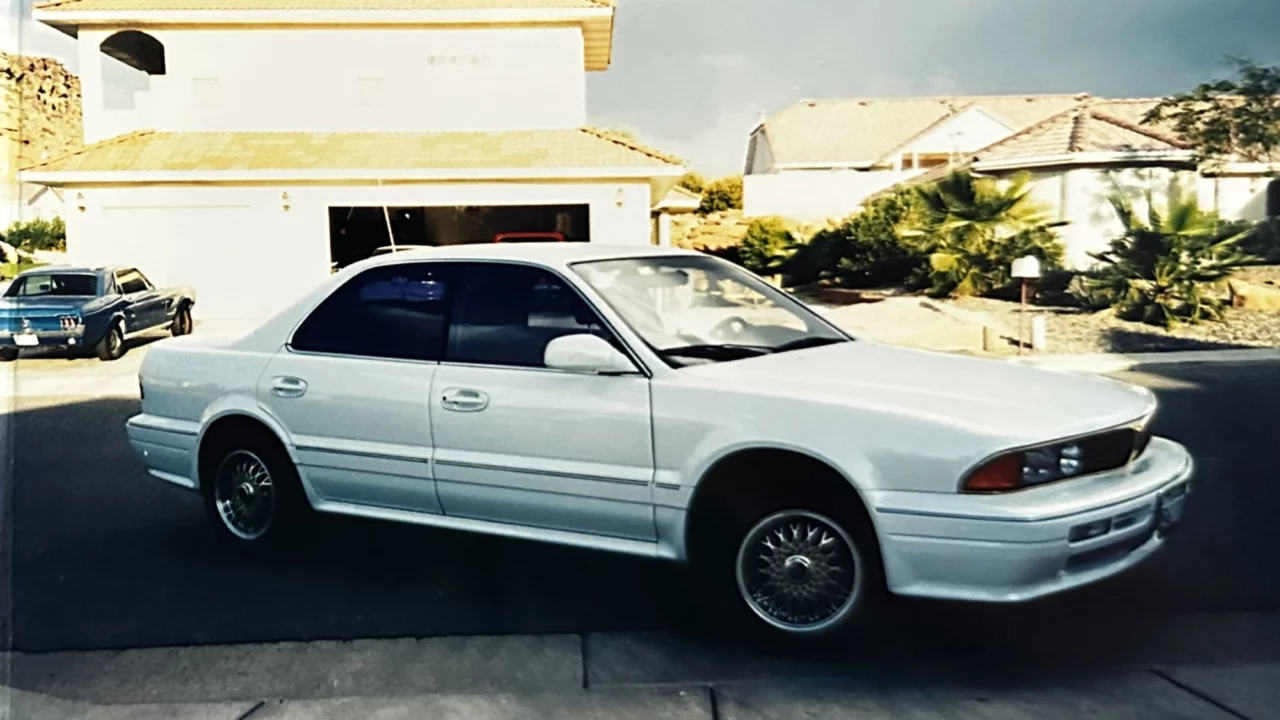
My brother Bentley (great name for a car guy, right?) is just a year younger than me, and we spent our childhoods on our hands and knees pushing Hot Wheels around the house or yard. By the time we were about 15 and 16, we’d become automotive entrepreneurs by detailing cars for some of our neighbors. One of those cars belonged to the Palmers, and it was this Galaxy White Pearl 1992 Mitsubishi Diamante. It was smooth, stylish, and powerful. (Peep that Mustang in the background, too.)
Come to think of it, Mitsubishi was on a roll in the early 1990s with just about every model. Consider some of the vehicles in the lineup: Mirage, Galant, Mighty Max, Eclipse, Diamante, Montero, and 3000GT, each of which cemented a special place in automotive history. The sporty 3000GT VR-4, in particular, was a quintessential “poster car” for many of us.
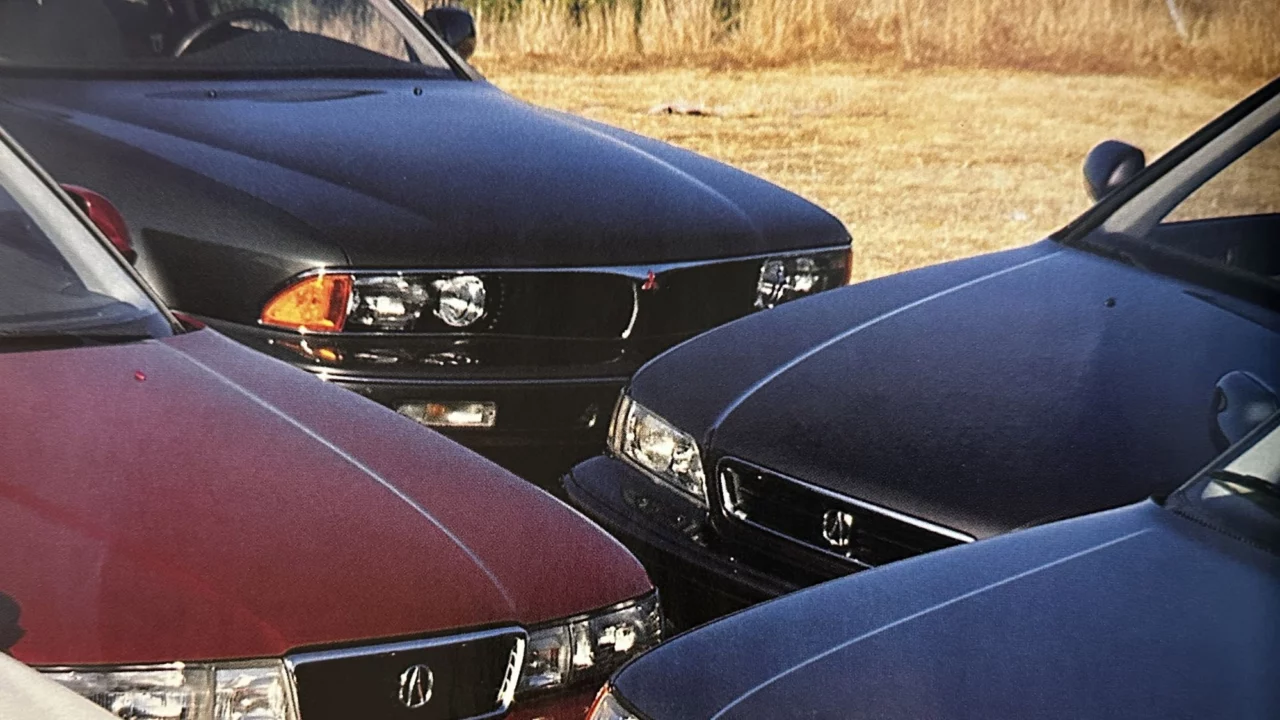
The sport sedan market was a competitive place to do business three decades ago. In February 1992, Road & Track pitted the Diamante against some of its rivals in the “near luxury” $30,000-$35,000 price bracket, including the Acura Vigor, Acura Legend, Audi 100, Lexus ES300, and Mazda 929. (Spoiler alert: The ES300 was the crowd favorite.)
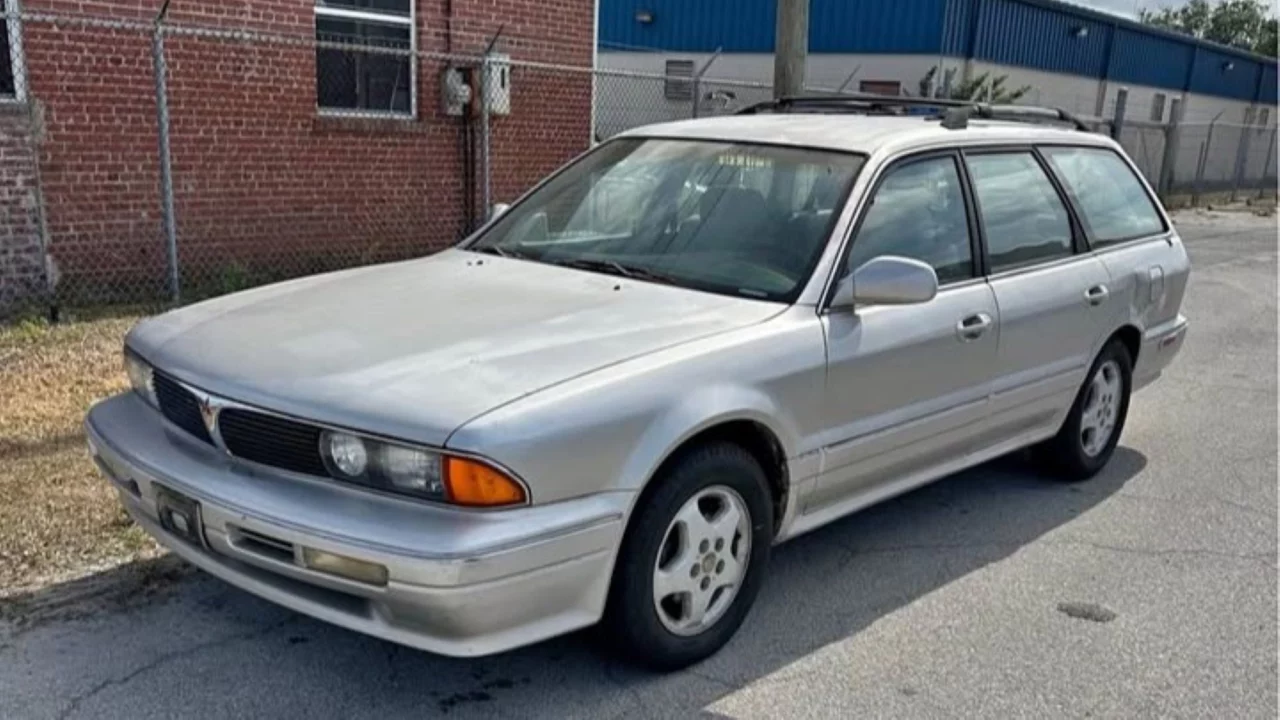
The Diamante was introduced at the Tokyo Motor Show in 1989, and (as has been the case with many Japanese cars over the years) it was sold in other markets around the world under alternate nameplates, including the Mitsubishi Magna, Sigma, V3000, and Verada. Assembly took place in Nagoya, and the first generation lasted from model years 1992-1996 in the United States. There was a station wagon version introduced in late 1992 for the 1993 model year.
Exterior features included a split front grille design, frameless windows, chrome beltline trim, and twin exhaust outlets.
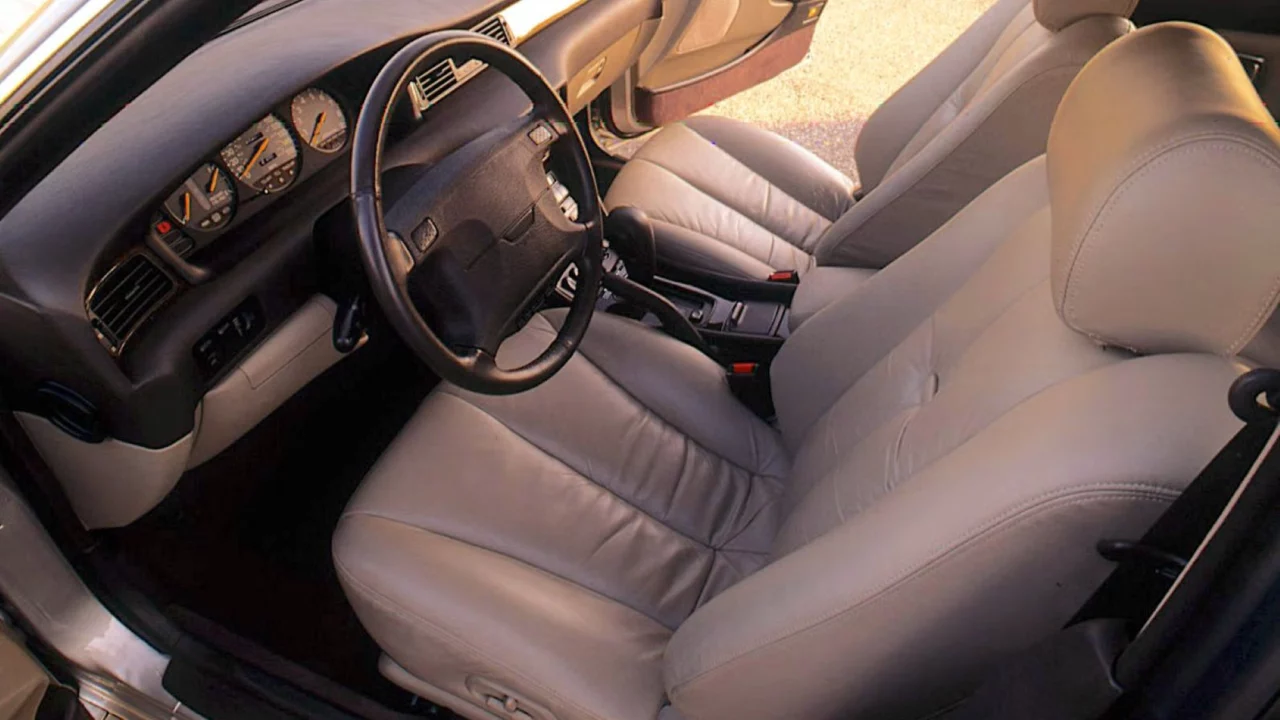
The interior featured power convenience options, leather upholstery, available memory seats, and a six-speaker audio system. I was always fond of the two-tier dash design.
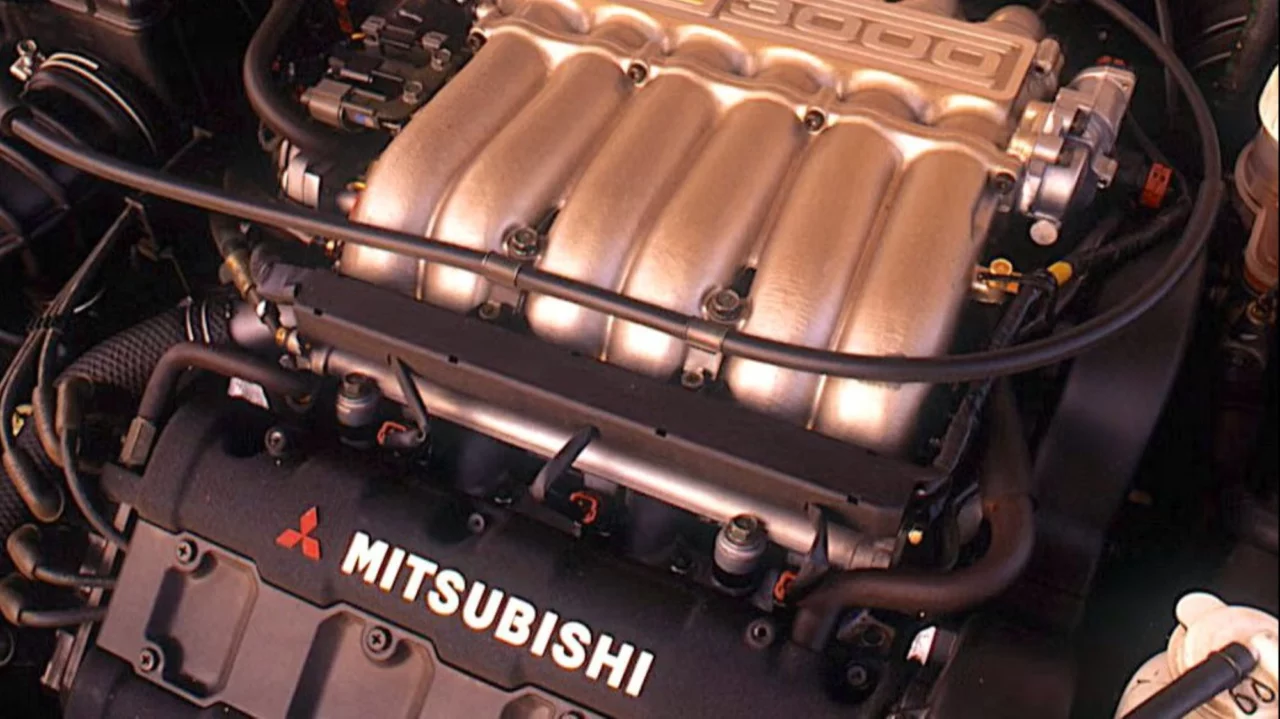
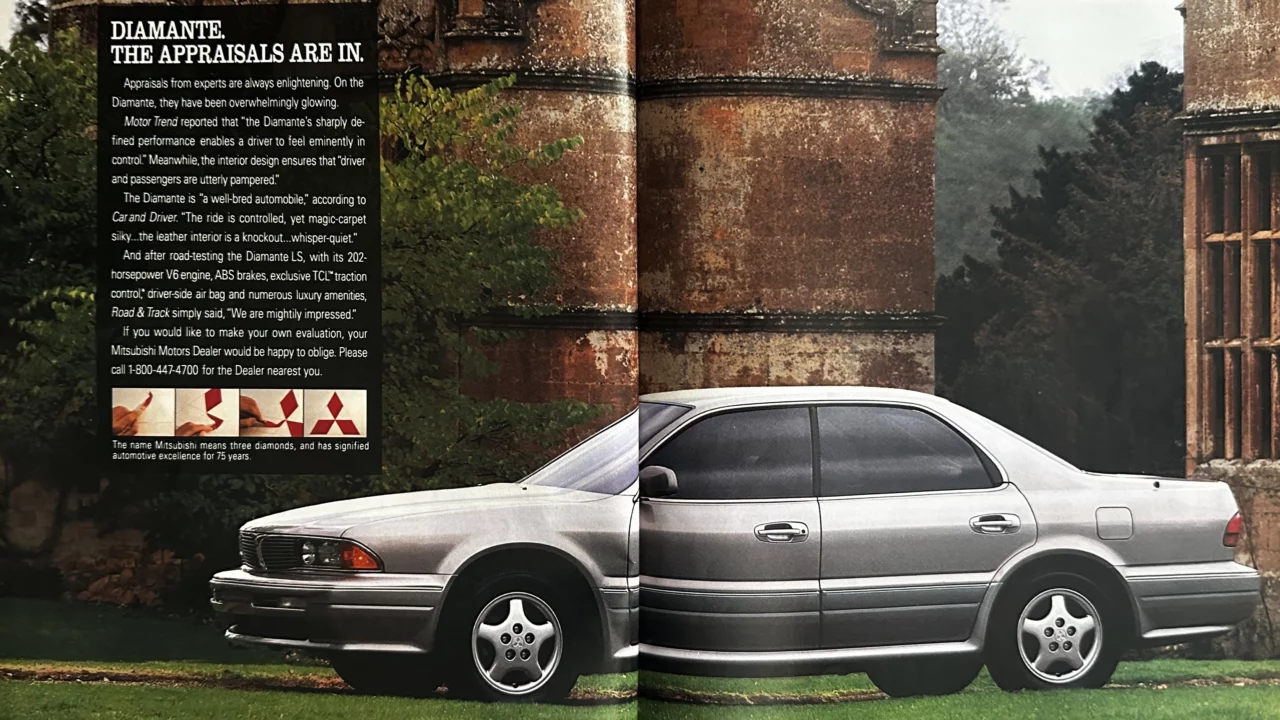
Under the hood was a 3.0-liter V-6, rated at 175 horsepower or 202 horsepower depending on trim level (base vs. LS). A four-speed electronically controlled automatic was the only available transmission. Car and Driver reported an 8.8-second 0-to-60 acceleration time, which put the Diamante midway through the pack when compared to its competition.
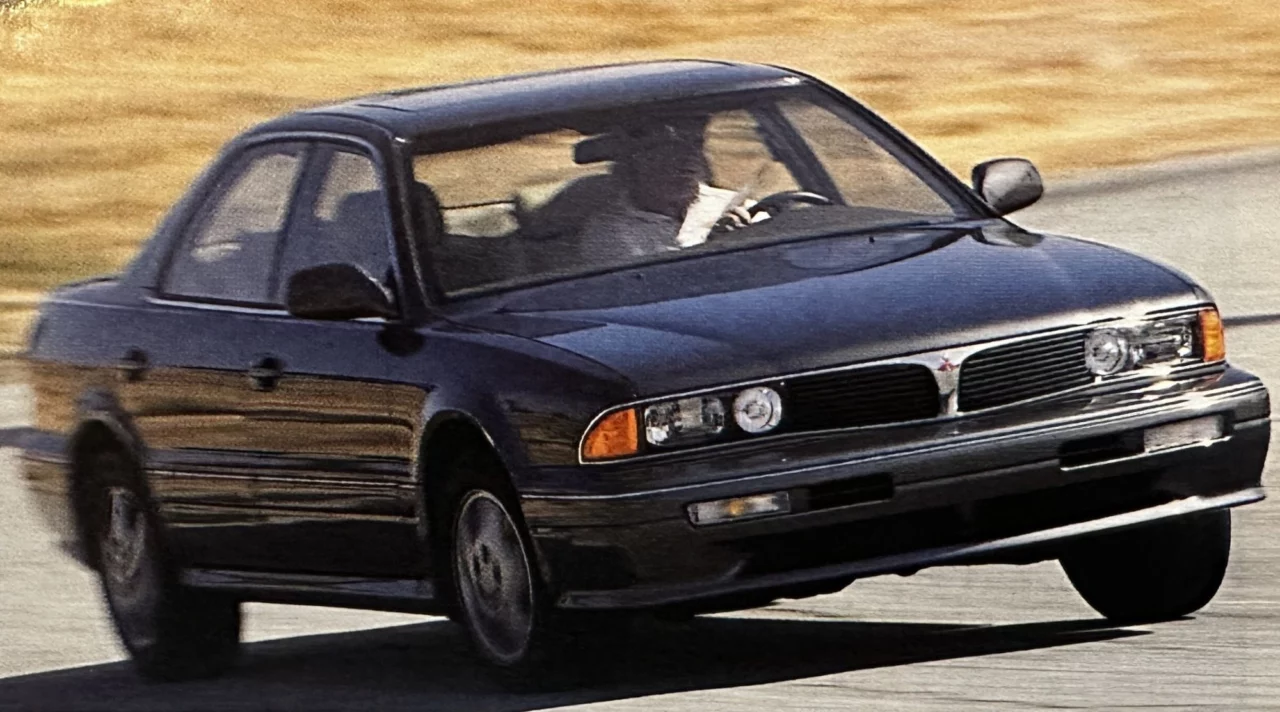
The Diamante was criticized for some of its electronics, as media outlets called them “well-meaning but burdensome.” Some of these features included a traction control system called “TCL,” which would cut power to the drive wheels if the computer determined that a driver was carrying too much speed into a corner. Another was an electronically adaptive suspension (called “Active-ECS”) using MacPherson struts up front and a multi-link setup in the rear.
The Diamante did evolve into a second generation that lasted from 1997-2005, but its sales were not strong. The midsize Galant would take over as the brand’s flagship sedan thereafter. The Galant, incidentally, has also since been discontinued. In fact, as of the time of this writing, Mitsubishi only sells crossovers. Here’s a look at the brand’s current website.

I’ve been racking my brain to think of the last time I saw a Diamante on the road. When it comes to obscure sedans from the 1990s, the Diamante might be one of the rarest on the road. It seemed to be a capable car, but it got lost in the competitive mix and went extinct in due time.