My colleague Diego is the king of telling you the production numbers for certain cars. I can see why: They give you an idea of a certain model’s popularity and can sometimes provide a glimpse of a company’s financial and/or manufacturing limitations. Some automakers post their production numbers, which is helpful in my line of work because who knows those better than the company, right? As Lamborghini‘s figures for the Miura show, sometimes those numbers can be a little off.
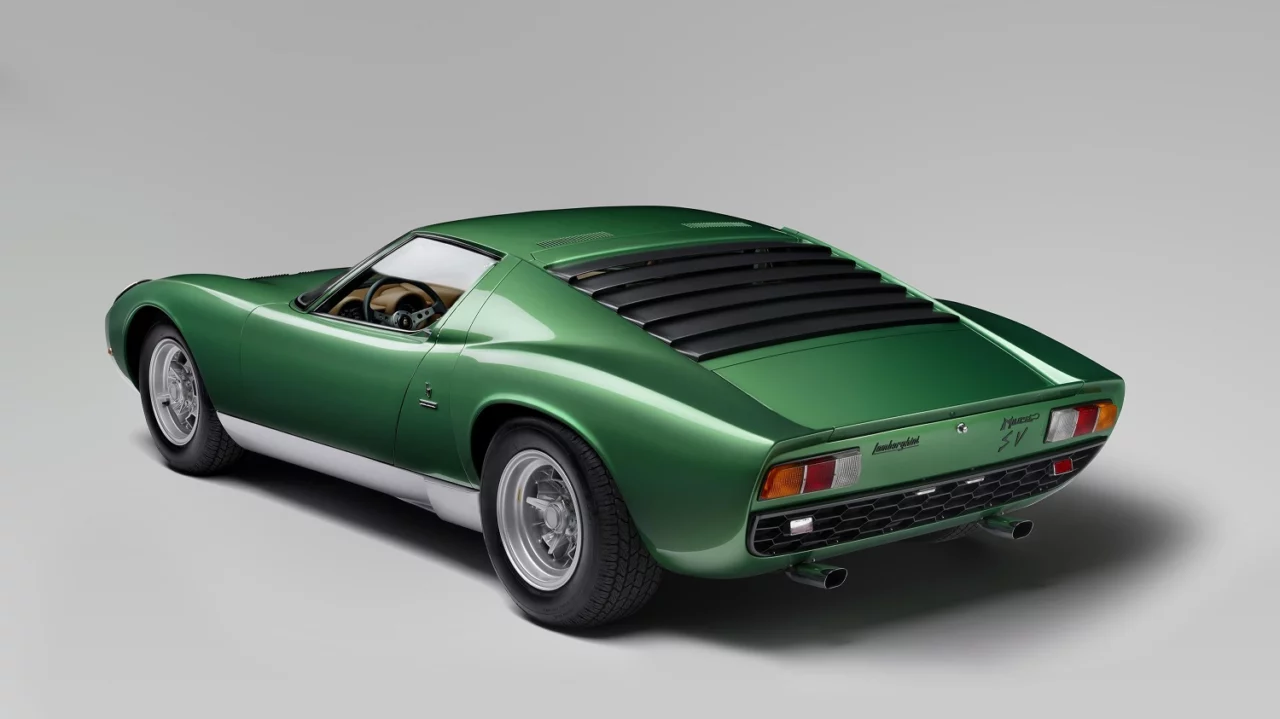
This year marks the 60th anniversary of the Miura, a swoopy moving sculpture penned by a young Bertone designer named Marcello Gandini. Many consider the Mercedes-Benz 300SL “Gullwing” the first supercar, but the Miura’s head-turning style wrapped around a mid-mounted V-12 is a template that many other supercar companies have used over the decades and one that Lamborghini continues to use (albeit with the addition of hybrid power). According to the Lamborghini Media Center, there were three major phases in the Miura’s lifespan:
1.) Miura P400
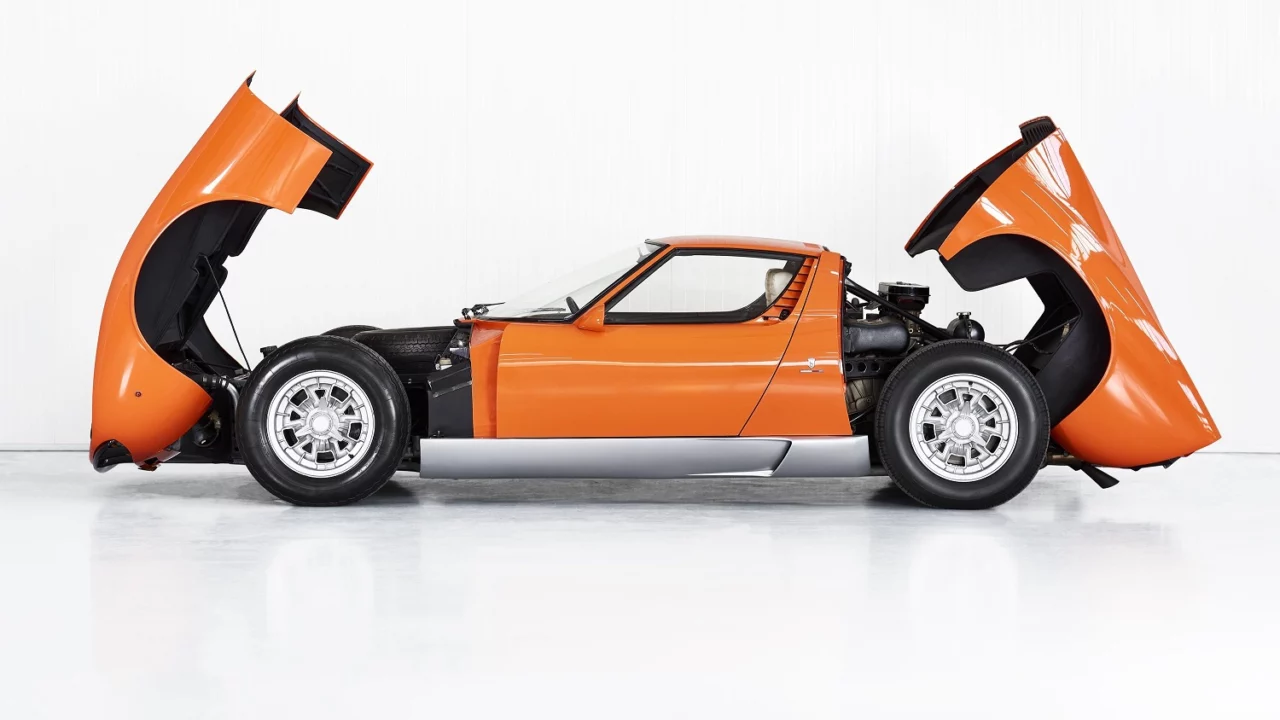
The initial version had pop-up headlights surrounded by distinctive “eyelashes,” and a 3.9-liter, quad-cam V-12 that pumped out 350 horsepower (Lamborghini rounded the 3,929cc engine size up to four liters for the P400 suffix).
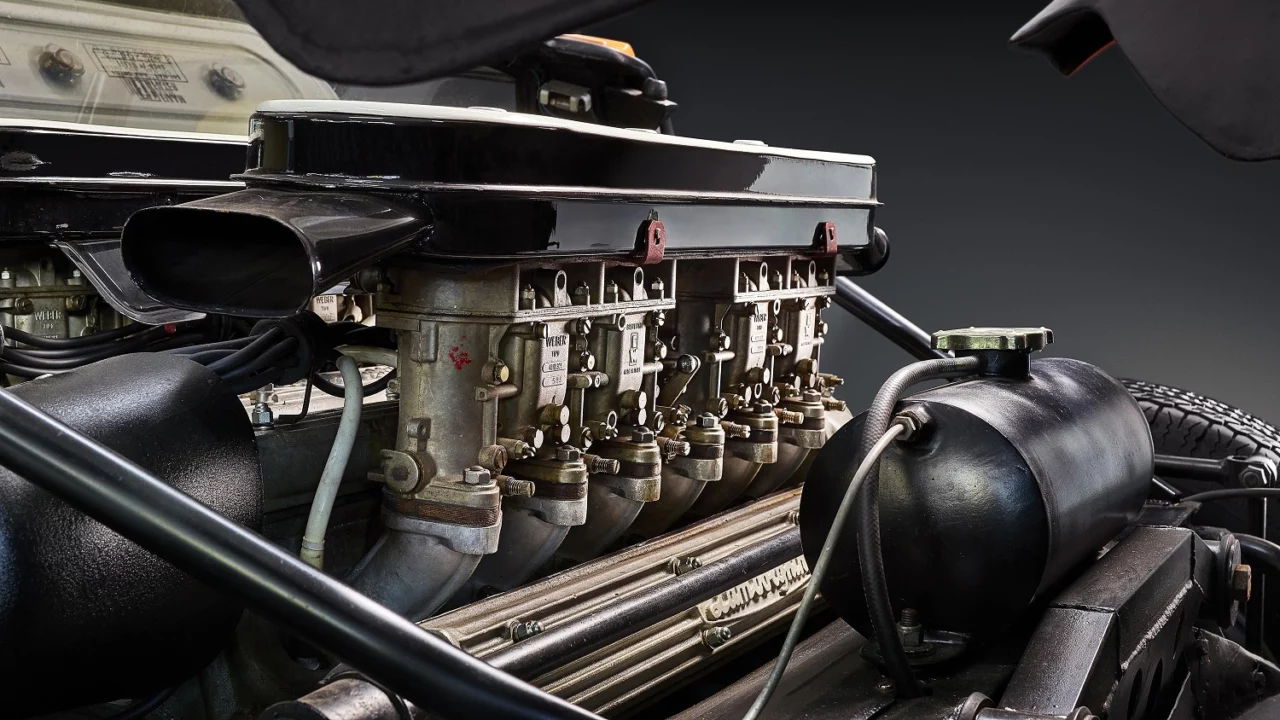
Like its successors, the Miura transferred its power to the rear wheels through a five-speed manual gearbox, which shared the same lubrication system as the engine.
2.) Miura P400 S
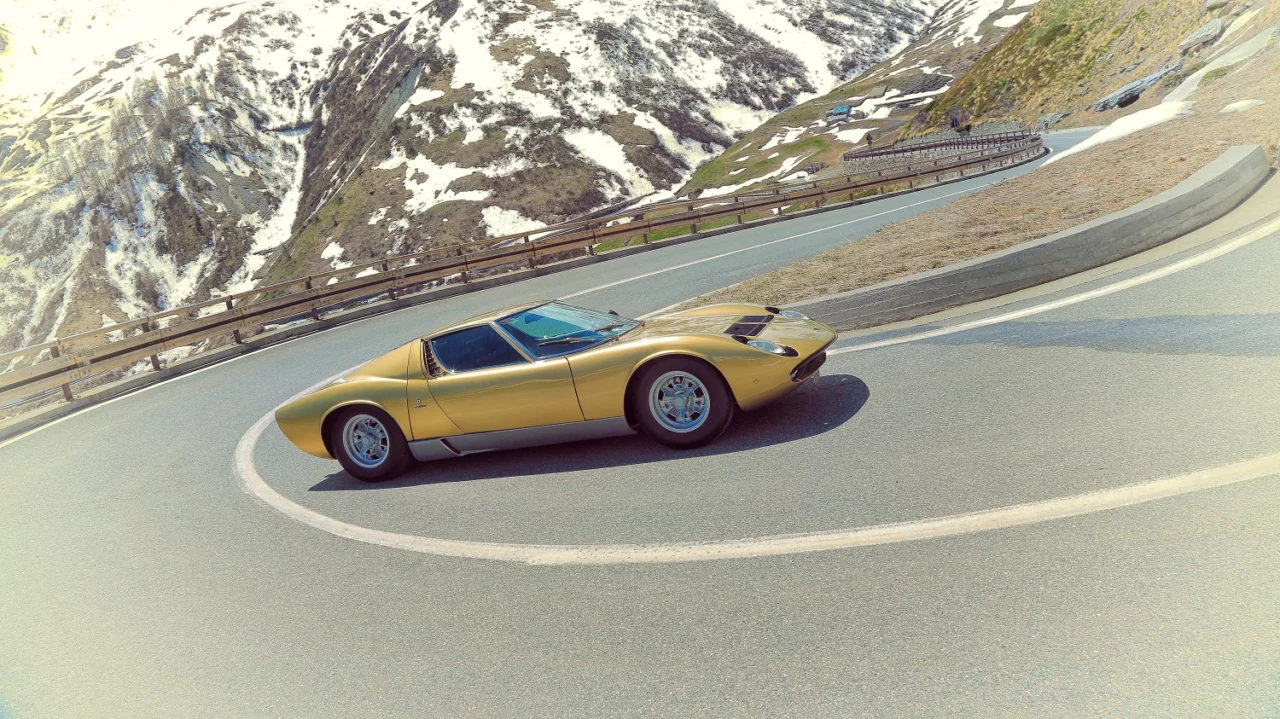
In addition to slight cosmetic changes inside and out, the S model featured a wider track, chassis tuning, Koni shocks, power windows, and a more luxurious and comfortable cabin than its predecessor. Power increased to 370 horsepower. Air conditioning was an optional extra. Partway through the Miura S’s production run, Lamborghini equipped it with ventilated disc brakes all around.
3.) Miura P400 SV
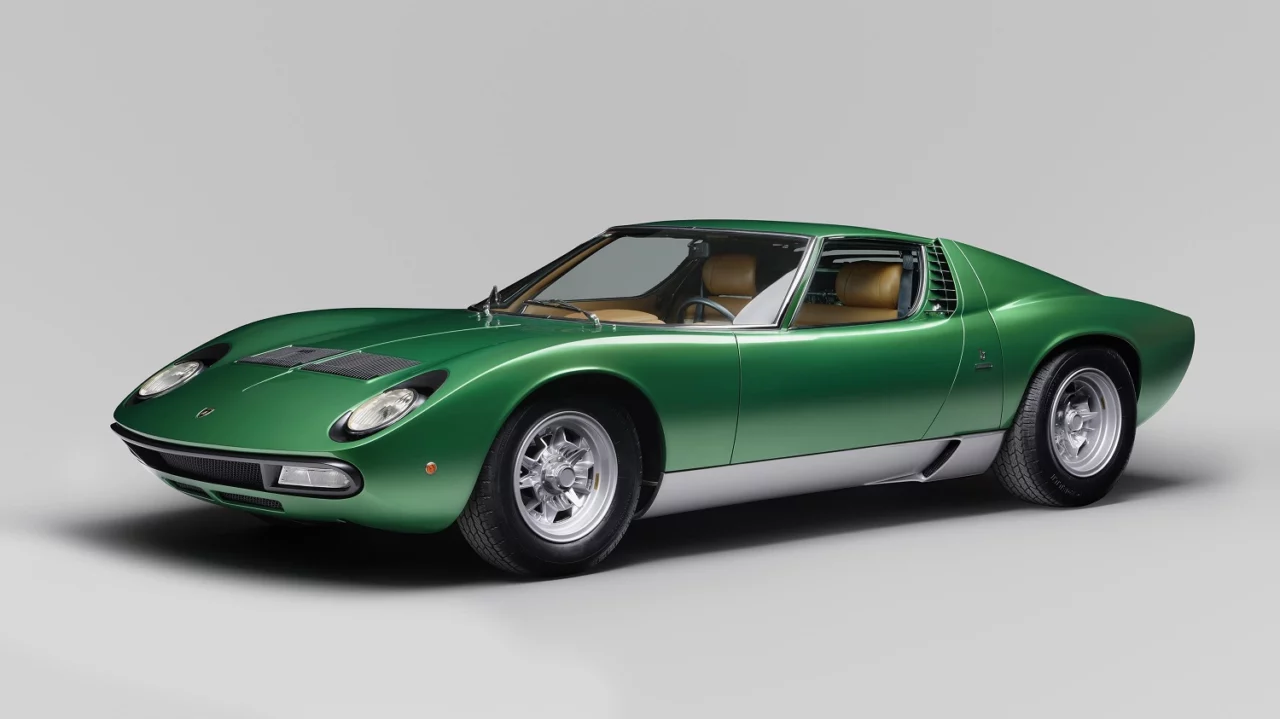
This final iteration came with a stronger chassis, revised suspension, widened wheel arches, and an independent lubrication system for the transmission — but without the headlights’ eyelashes. Once again, Lamborghini upped the V-12’s output, this time to 385 horses.
You may have noticed I didn’t list the years for the Miura models. That’s because they vary based on whether you check Lamborghini’s Media Center or consumer site. Its media site lists the following manufacturing time frames:
-1966-1969: Miura
-1969-1971: Miura S
-1971-1972: Miura SV
However, the consumer site’s ranges are:
-1966–1968 or 1969: Miura
-1968 or 1969–1971: Miura S
-1971–1973: Miura SV
The company’s Media Center states, “The last Miura SV was delivered on 15th January 1973 to the son of the car manufacturer Ferdinando Innocenti.” Assuming it was manufactured in late 1972, it would fit the media site’s production window for the SV, but what’s up with the Miura and Miura S years?
Things are off as well when it comes to the Miura’s production numbers:
Lamborghini Media Center
-Miura: 275. “Between 1966 and 1969, 275 models of the 350 HP Miura were made.”
-Miura S: 338
-Miura SV: 150
Total: 763
Lamborghini.com
-Miura: 265. “Between 1966 and 1968, 265 P400 cars were produced.” Hmmm … did Lamborghini make 10 in 1969 that were left out?
-Miura S: 338. “That number increased in 1969 with the launch of the P400 Miura S, of which 338 were sold between 1969 and 1971.”
-Miura SV: 150. “The Miura SV was sold between 1971 and 1973, with 150 cars delivered.”
Total: 753
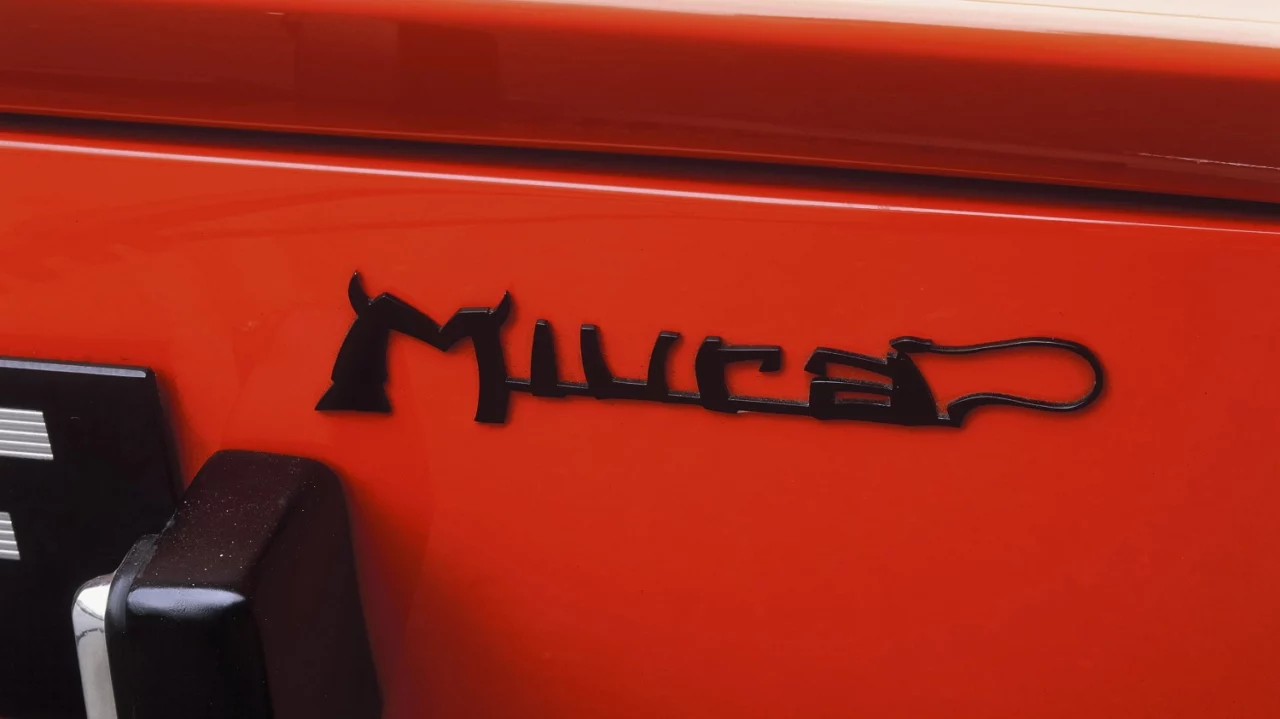
Perhaps this discrepancy is due to a typo. Maybe it’s because (as the consumer site says) “a small number of cars produced for specific markets such as the United States and the Middle East featured minor technical or regulatory adaptations and are sometimes counted separately in historical sources.” But it also states, “Between 1966 and 1973, 763 Lamborghini Miura Models were built at the Lamborghini factory in Sant’Agata Bolognese (Italy) according to official records,” contradicting its own total above. Going to “the horse’s mouth” usually gets you a straight answer, but as you can see, things aren’t so simple when you go to the Raging Bull’s mouth. One thing is for certain: The Miura is still a stunner, even at 60 years old.