When computers came to the fore in the 1980s, the future of automobiles changed. Previously, we were given visions of flying cars, automation and guidance, and gas-turbine power, but the 1980s created a paradigm in which the future was much more within reach than before.
Thanks to Elena Leyva, mother of co-worker Christina Fischer, we can get a hint of what kids were being taught about the future. For those of you Gen X and younger, you may recall a magazine called 3-2-1 Contact. The September 1984 issue features a cover story on “Cars of the Future.”
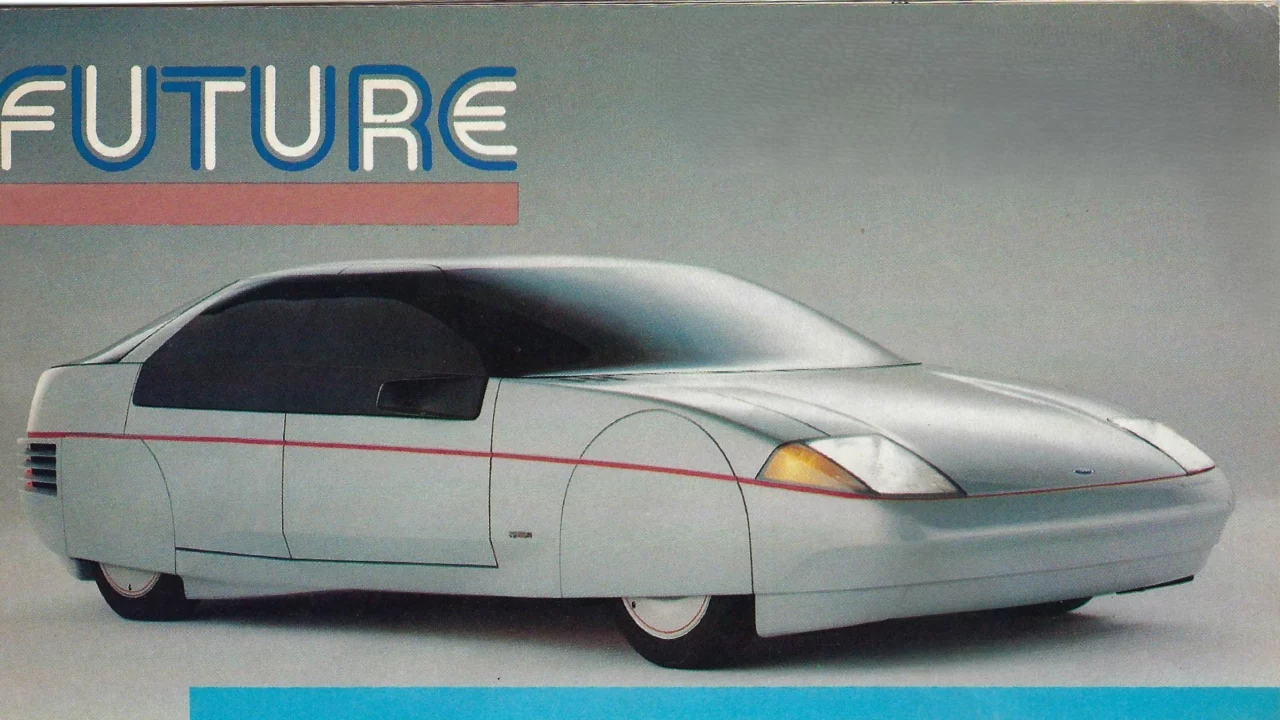 Ford Probe IV concept car
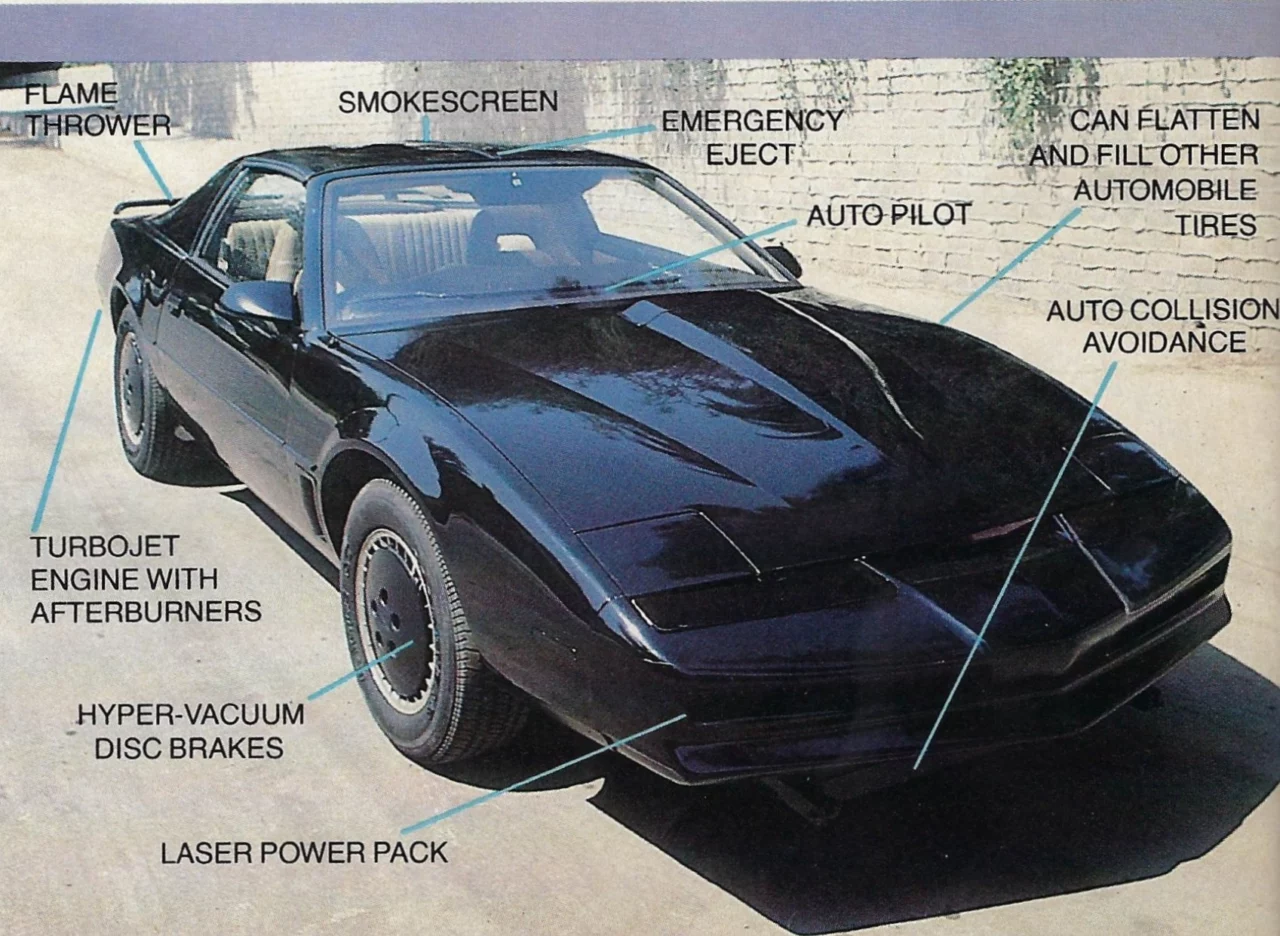
The article within was titled “Driving Into the Future” and featured a lead image of Michael Knight (main character of the TV series “Knight Rider”) and KITT, the Pontiac Trans Am that communicated with Michael much in the way some folks talk to Artificial Intelligence. “By the time you’re old enough to drive, auto experts say your car will be able to do some of the things KITT does … One thing is certain, though. Unlike KITT — which can drive itself — future cars will still need you behind the wheel.”
An engineer with TRW, Inc., Joe Ziomek, told the publication that the most exciting features for cars of the 1990s would be electronic equipment. “Cars in the future will have at least two or three microcomputers,” with one making sure the car’s engine, brakes, and gear shifting all work smoothly; another would be for comfort and convenience, such as remembering your favorite seat position as soon as you sit down. If one computer develops a problem, it will send an electronic signal to the other computers — in fact, a human-like voice may tell you a headlight is out.
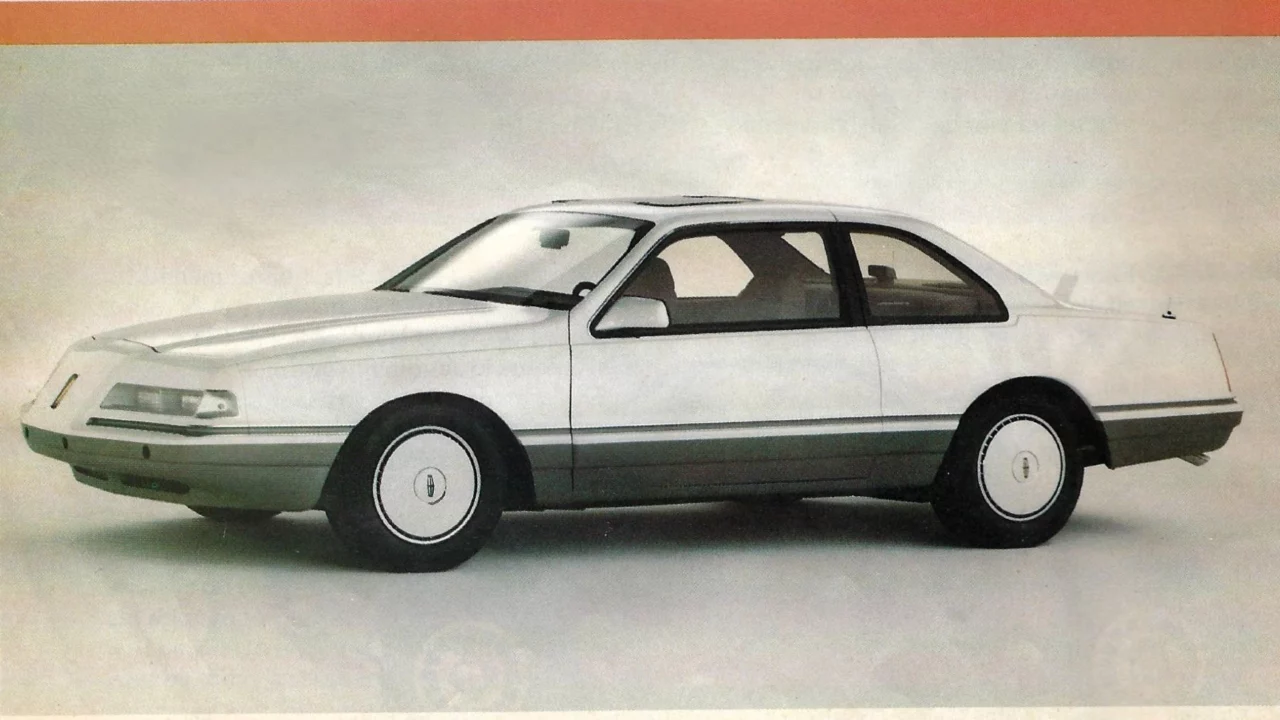 This looks like a concept previewing the Thunderbird, right?
Another prediction was that autos in the 1990s may have a radar system like the one in KITT, sensing when strange objects may be in the roadway; the radar system would then connect with the brake system to stop your car before you can react in kind. “However, engineers say the radar system isn’t quite foolproof — yet.”
Of course, digital dashboards became all the rage in the 1980s, but what about video dashboards? “Future cars will have a surveillance system … [with] a video camera near the back bumper taking the place of a rear-view mirror. Some cars may use another screen to “replace all the instruments found on today’s dashboard. If you wanted to play the radio, you would just push a button. The image of a radio dial with glowing spots for each station would appear on the screen. To change stations, you would just touch the correct spot.” Another screen could save you from getting lost while driving. “To help you find your way around, it could link your car with a satellite in space.”
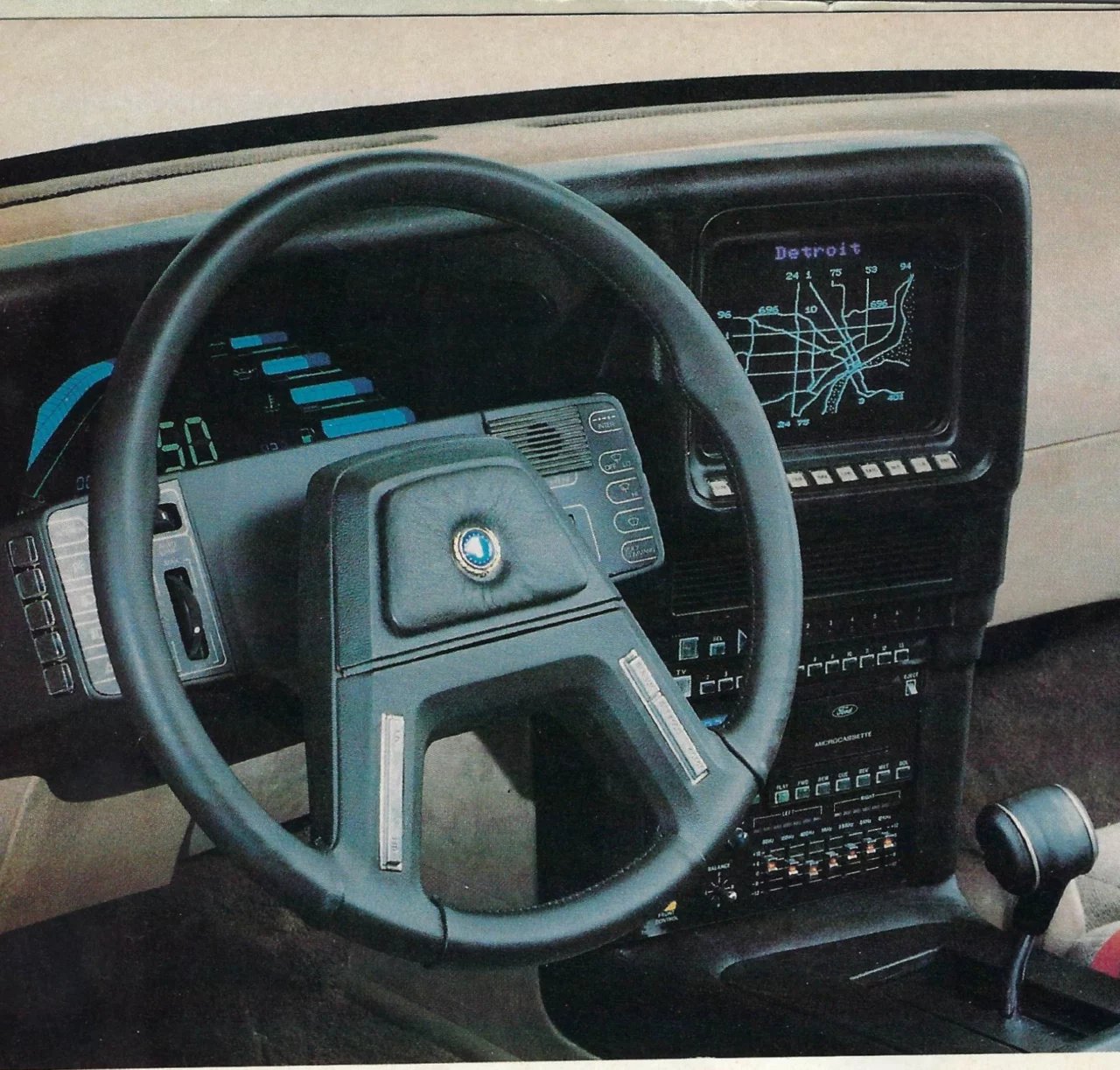
Much to everyone’s chagrin, “You won’t be seeing all of those dashboard buttons. To control your electronic gadgets … you could speak into a tiny microphone near the driver’s seat. The mike [sic] would send your command to a computer programmed to recognize your voice.”
In spirit, I completely see the following prediction, but it’s been compromised by safety standards: Most cars in the future will be lighter and more fun to drive. “They will have less steel in their engines and bodies and more lightweight aluminum and plastic,” said Martin Anderson, an expert on future cars.
One phenomenon that had its roots in the 1980s still holds true. “The shape of future cars will be different, too. They’ll be rounder and smoother so they can cut through the air like an airplane.”
The 1980s are often reviled as being the core of the Malaise Era, but they’re also the hinge between how things were done previously and how they would be done in the future. Seeing the future predictions above, do any of them ring true to you today?