It is time for another trip down my automotive memory lane. In 1990, my mom and dad acquired a lightly used maroon 1989 Pontiac Grand Prix from my aunt and uncle. I thought it was a pretty cool car for a mom. She was about 28 years old at the time, with three young boys, so I’m surprised she ended up with a two-door coupe. And the car had a five-speed manual transmission, too! It was a far cry from the minivans in which many of my friends were getting shuttled to elementary school.
Here’s the car in question. Note the unique B-pillar-mounted door handles (similar to those found on the Chevrolet Beretta and others at the time).
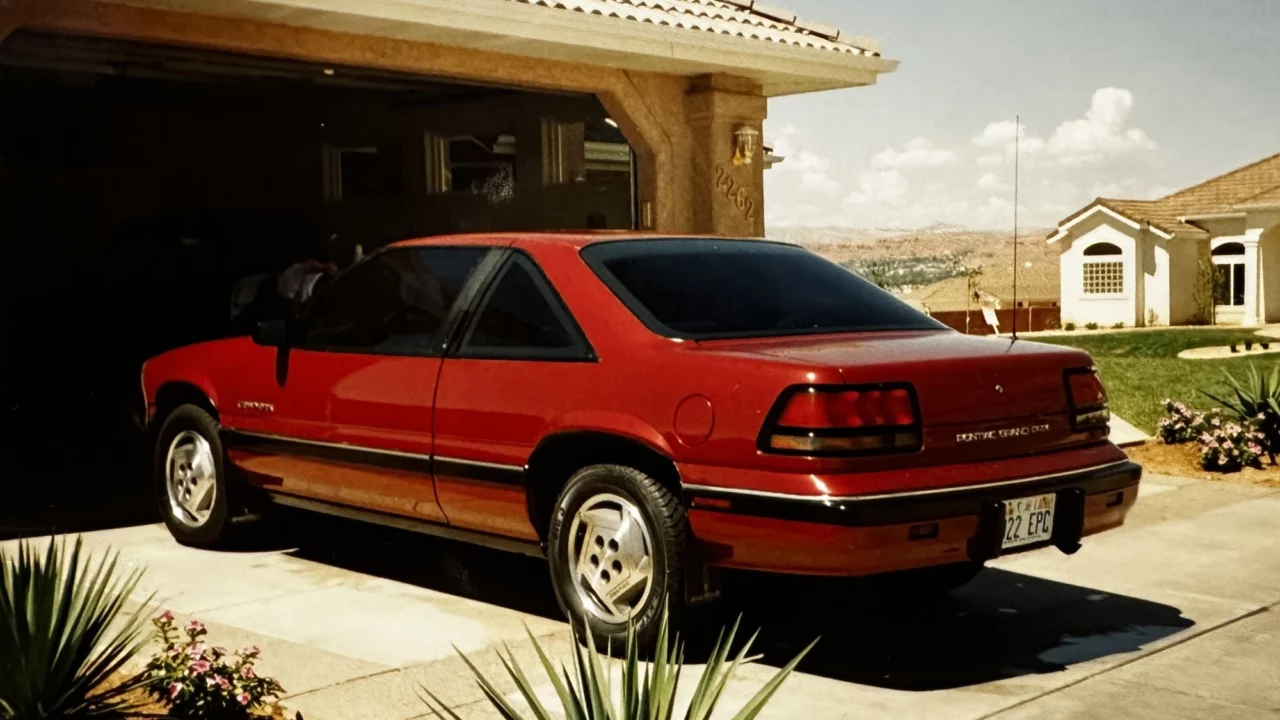
I still have one of the Pontiac’s Utah “022 EPC” license plates hanging on my wall. The Grand Prix was also front and center during a photo op on the front lawn. Remember when “car bras” were all the rage?
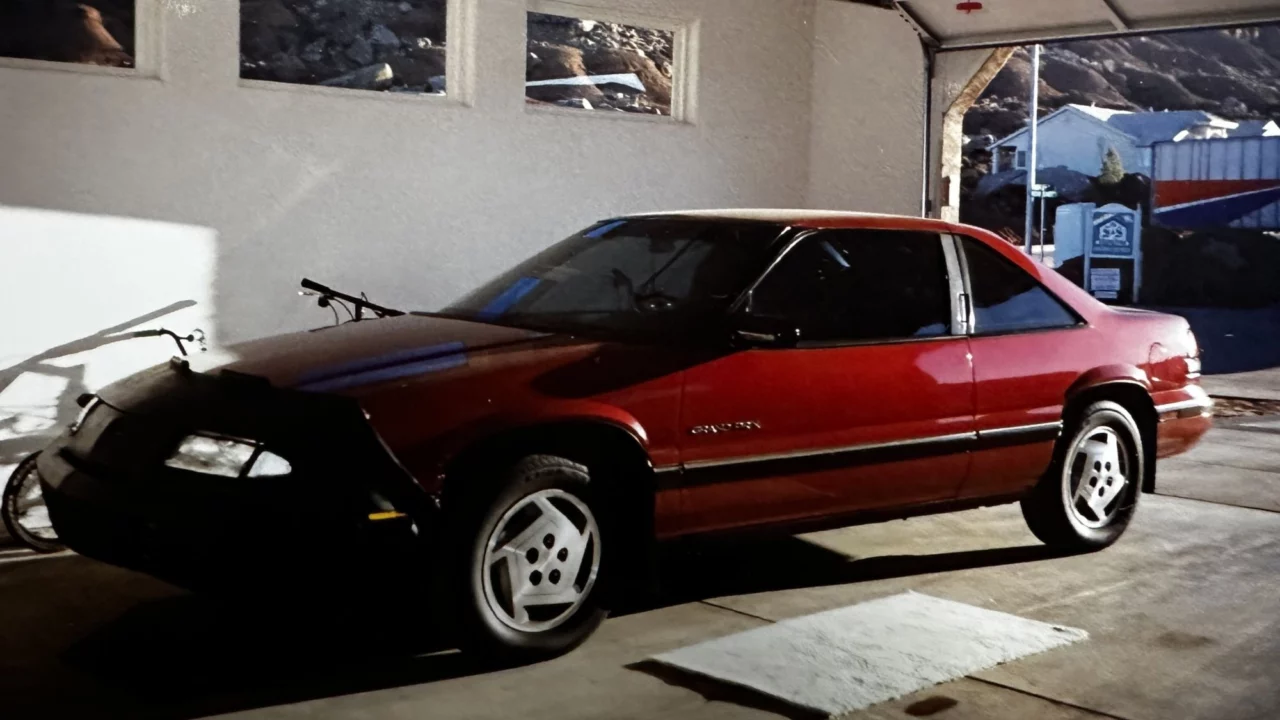
Mom’s car was a sixth-gen Grand Prix (built from model years 1988-96). It rode on the midsize General Motors W-body platform that was shared with the Buick Regal, Chevrolet Lumina, and Oldsmobile Cutlass Supreme. As a significant change from the prior generation, it was front-wheel drive. Motor Trend magazine was a fan of the redesign, naming it Car of the Year for 1988.
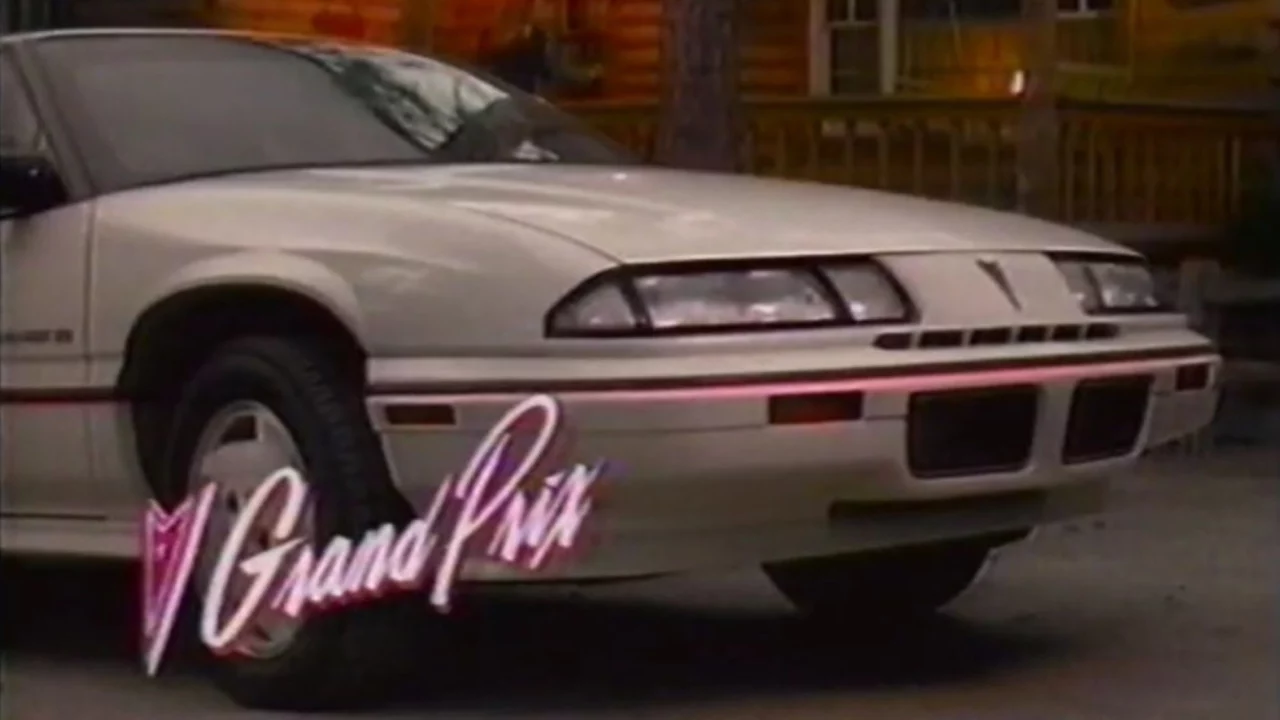
Pontiac marketed the Grand Prix with its “We Build Excitement” slogan. One commercial said, “Poised and precise. Swift and confident. The 1989 Grand Prix is guaranteed to please. Just buy a new 1989 Grand Prix, and if for any reason you don’t like it, bring it back to your selling dealer within 30 days for a full credit toward another new Pontiac.” That offer expired December 31, 1988. It reminded me of a similar guarantee I saw on an Oldsmobile window sticker.
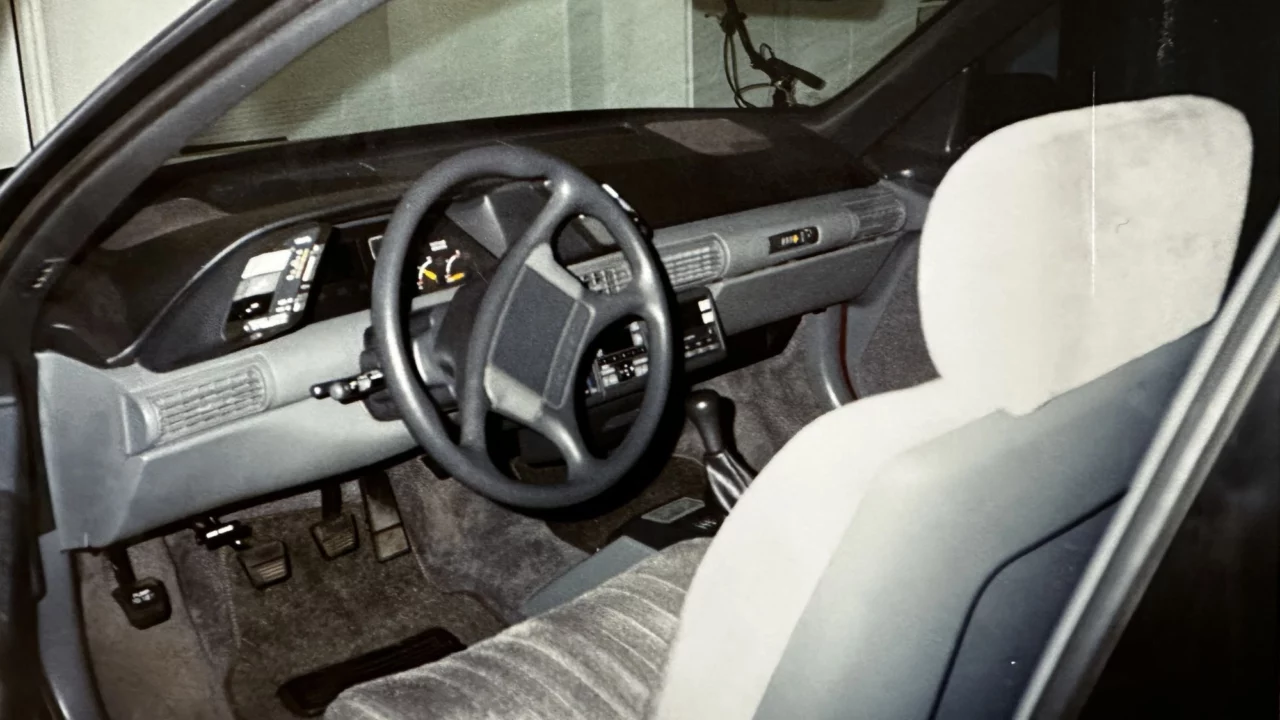
The Grand Prix’s cabin was tech-forward for the time, featuring digital instrumentation which always fascinated me. However, by far my favorite interior feature was the three-digit combination lock on the front of the glove compartment (the seller of this car showed a picture of what that looked like). Some Grand Prixs had head-up displays and console-mounted compasses — a testament to Pontiac’s positioning of the car as a personal luxury coupe.
Power came from a 2.8-liter V-6 rated at 130 horsepower and 170 lb-ft of torque. For the truly performance-minded Pontiac enthusiasts, there was an available ASC/McLaren version with a 205-horsepower, 3.1-liter turbocharged and intercooled V-6 that also boasted unique body work, 16-inch gold “crosslace” wheels, and a stiffer suspension.
To this day, I think the sixth-generation Pontiac has aged well. It represented a shift from traditional American rear-wheel drive to a more balanced, European-style sports coupe. It somewhat makes you wonder what the Grand Prix would look like in 2026 if Pontiac hadn’t been phased out over 15 years ago.