Every vehicle has a story to tell. One of my favorite pastimes at salvage yards is looking at instrument clusters to see how exactly many miles a car made it before getting junked. Unfortunately, every vehicle built within the last two decades has been equipped with a digital odometer.
I was thinking about this when piecing together my recent story about the Dodge Ram Van that lived its life as an ice-cream truck in the Phoenix area. The only way I was able to estimate that vehicle’s mileage was by noting its VIN and running a vehicle history report later on. It’s a little bit sad, really.
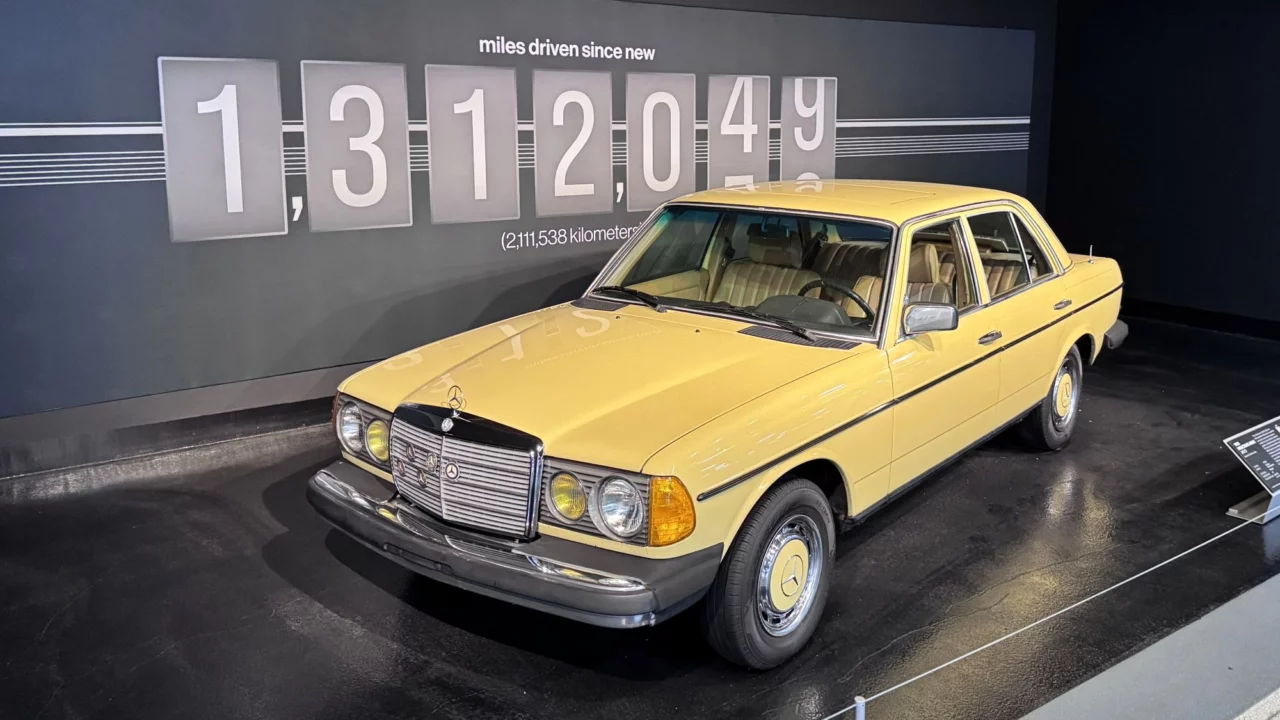
A high odometer reading is a badge of honor. One of the cars on display at the prestigious Petersen Museum is a 1981 Mercedes-Benz 240D with 1,312,049 miles. In a more modern car, when an odometer is blank, there’s an element of mystery about how or why the vehicle ended up in a junkyard.
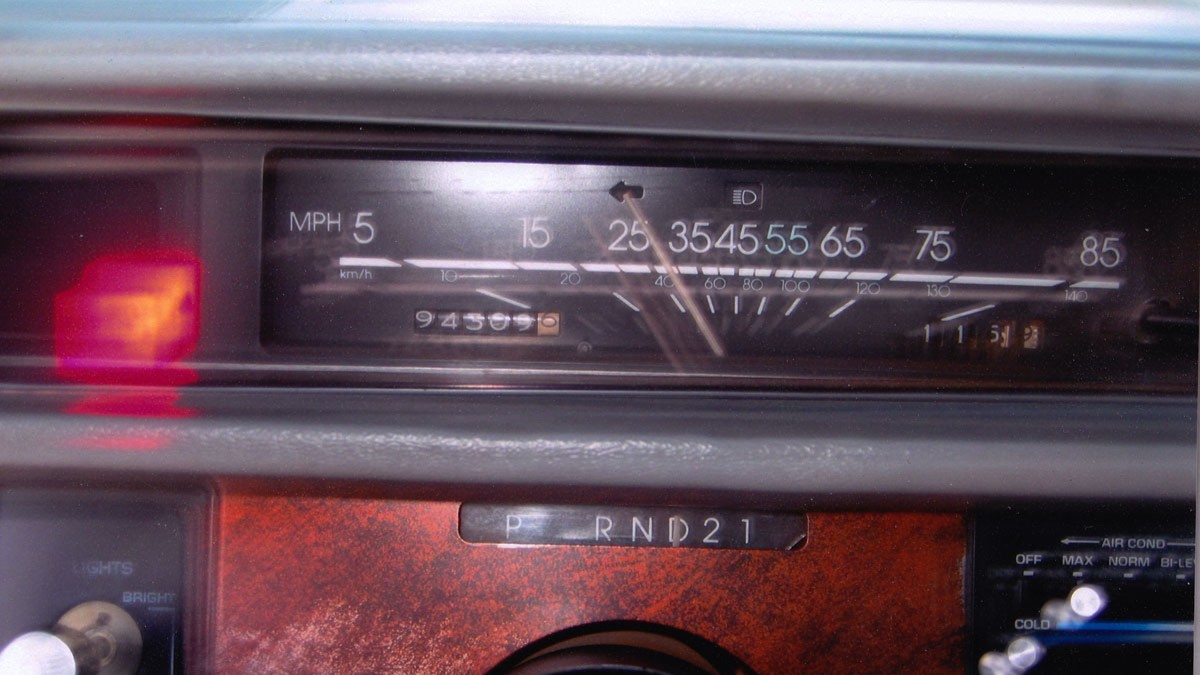
My 1986 Chevrolet Celebrity had a five-digit analog odometer, an arrangement some vehicles kept well into the 1990s. Below is an actual (poor-quality) photo from my first car, showing a reading of 94,309, which really meant the car had 194,309 miles on it at the time.
The 2005-model-year Ford Crown Victoria (and its sibling, the Mercury Grand Marquis) were the last vehicles to be manufactured with a mechanical odometer. In fact, those were also the last Ford Motor Company vehicles to leave the assembly line without a tachometer as standard equipment. A new instrument cluster with a digital odometer became standard beginning in model year 2006.
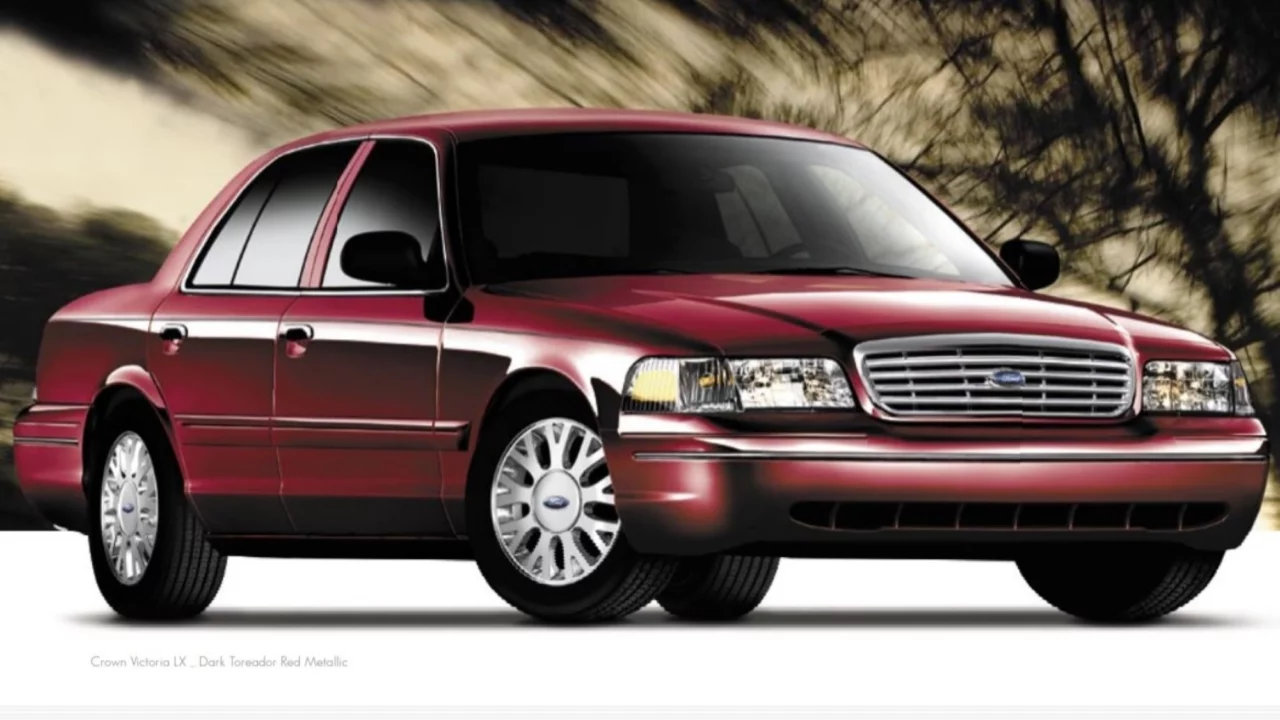
It’s sort of fitting that the Crown Vic was the last of its kind. Ford seemed to employ an “If it ain’t broke, don’t fix it” strategy with that car. The second-generation (1998-2012) Crown Victoria became a favorite for corporate fleets, law enforcement agencies, and anyone else who wanted a full-sized, rear-wheel-drive sedan with bulletproof reliability. Power came from a 4.6-liter SOHC Modular V-8 mated to a four-speed automatic transmission.
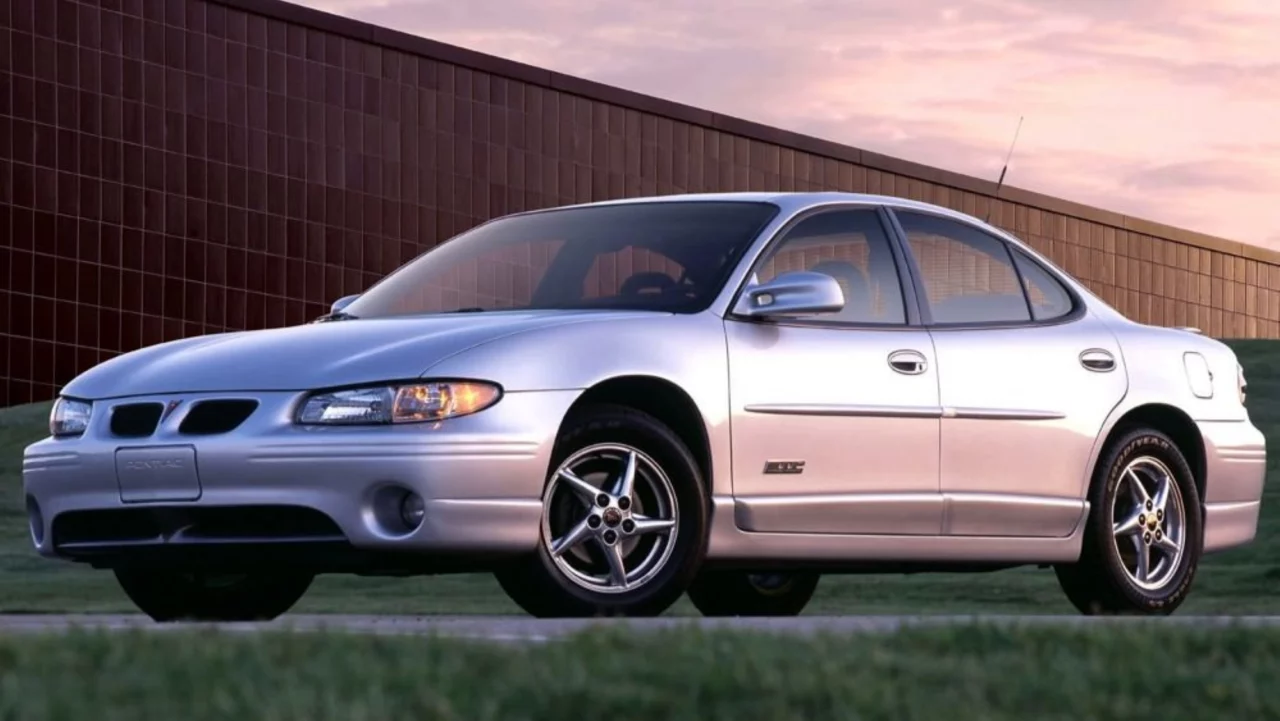
In case you were wondering, the last General Motors vehicle to come with an analog odometer was the 2003 Pontiac Grand Prix.
A little over a year ago, I introduced you to my friend Justin, who is the original owner of a 2003 Honda Accord coupe with over a million miles on it. He achieved the 1,000,000-mile mark in Tennessee in 2023, and he discovered that the trip meter would still roll over to all-zeroes, but the odometer froze at 999,999 miles.
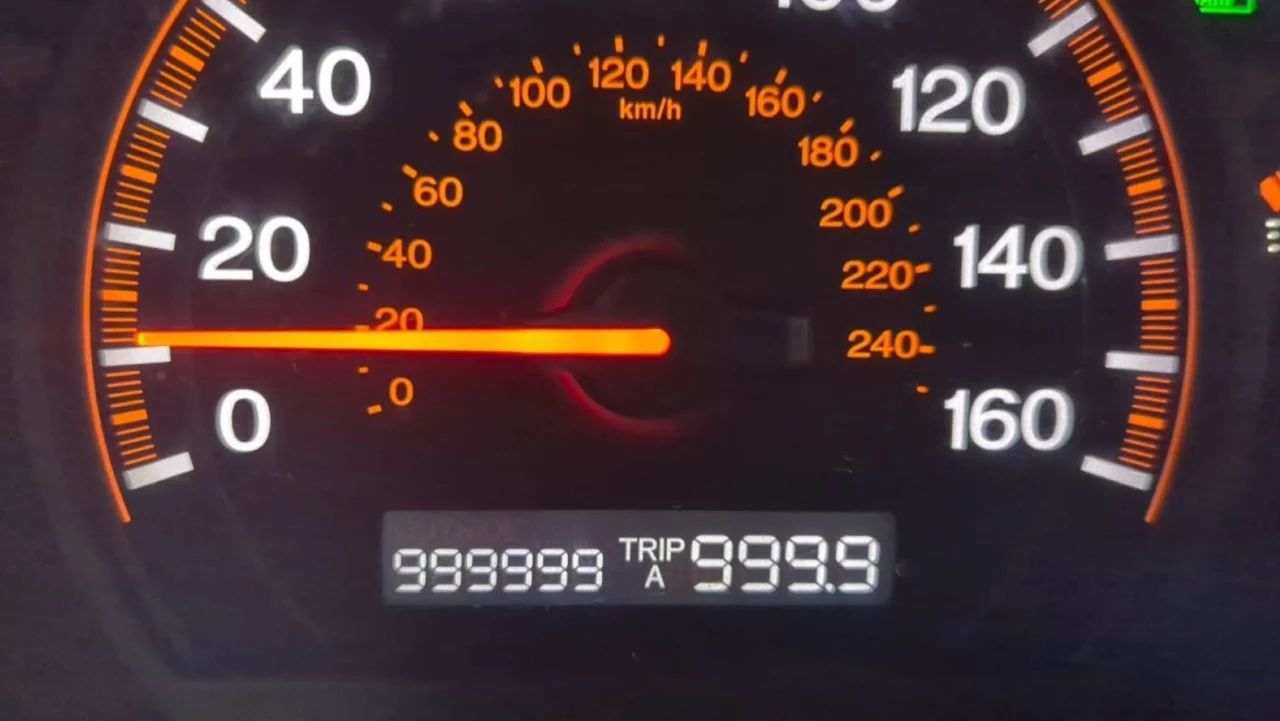
Justin ended up keeping the car’s original odometer for display purposes, and he installed a new one in the car.
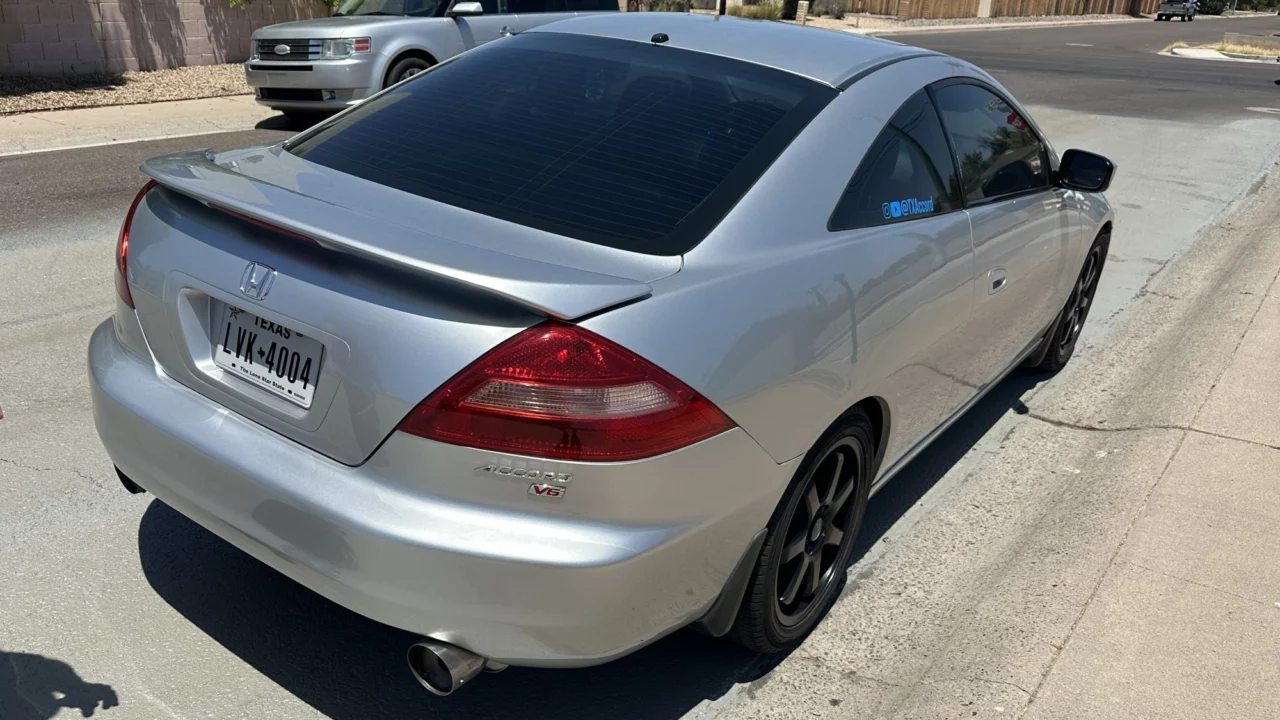
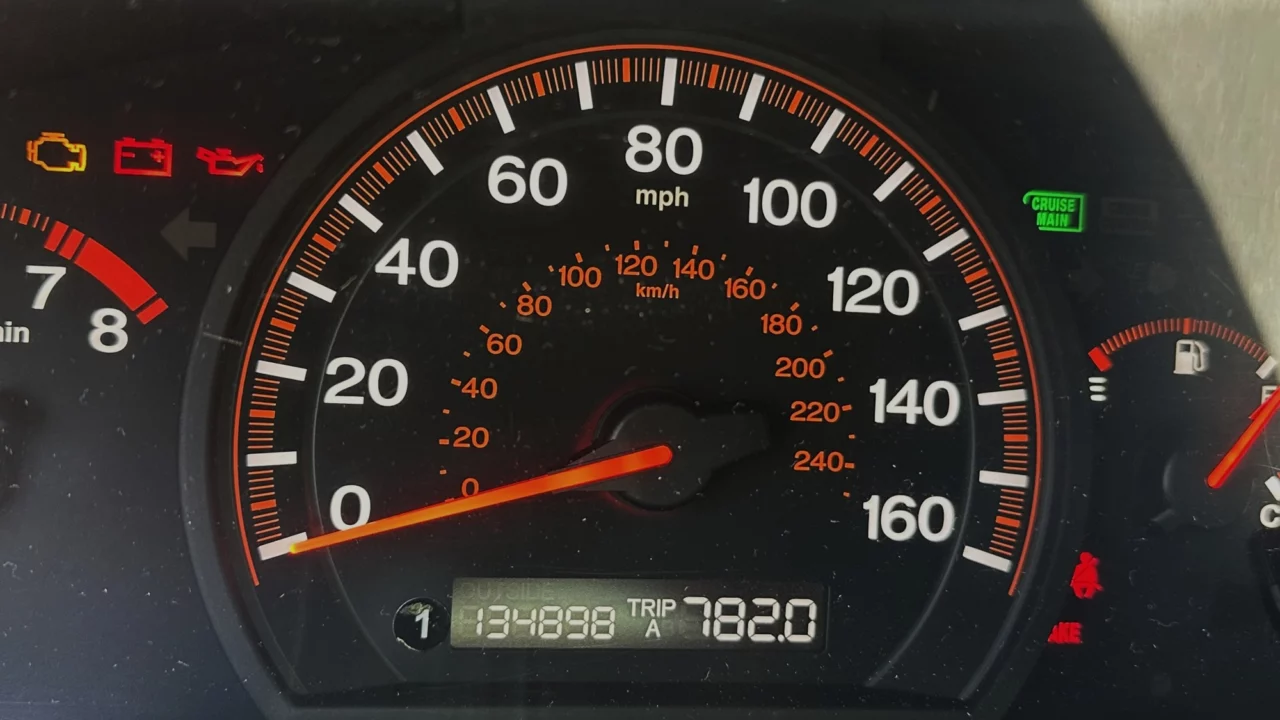
When he stopped by my house a few weeks ago, the new odometer said 134,898. Except, Justin taped a “1” at the far left because the true mileage on the chassis was in fact 1,134,898 miles.
Remember in the movie “Ferris Bueller’s Day Off” when Ferris and his friends tried to remove miles from a Ferrari by running it in reverse while on jack stands? Back in the day, that might have worked, but these days, every mile (forward or backward) adds to the overall number.
One last observation: One of the things I love most about analog odometers is how the numbers “creep” when getting ready to roll over to a big milestone. With a digital setup, a million-mile achievement can feel about as anti-climactic as a 100-mile achievement.
I wonder if Honda needs to start adding a seventh digit to odometers for people like Justin who can’t stop driving.