With the level of technology found in vehicles today, it’s no wonder most owners’ manuals have evolved into massive technical volumes — and that’s if you can get your hands on a printed version at all. Many automakers have moved away from physical manuals entirely or have supplemented them with digital, in-car, or app-based formats.
Some cars, like BMW with its iDrive system, come with the owner’s manual built-in so that it can be accessible (and searchable) from the car’s touchscreen infotainment system. Advanced connectivity goes even beyond that, with smartphone apps that give users the ability to troubleshoot, remote-start, and even sometimes “summon” a car with a phone. Here’s an example of Acura’s “portal” for resources.

Of course, this wasn’t always the case. There was a time when owner’s manuals only came in printed form, and they were concise, hand-illustrated, and sometimes rich in mechanical depth. The manual for a 1984 Honda Civic contained a handy grid-based layout showing when to check the idle, belts, and fluids.
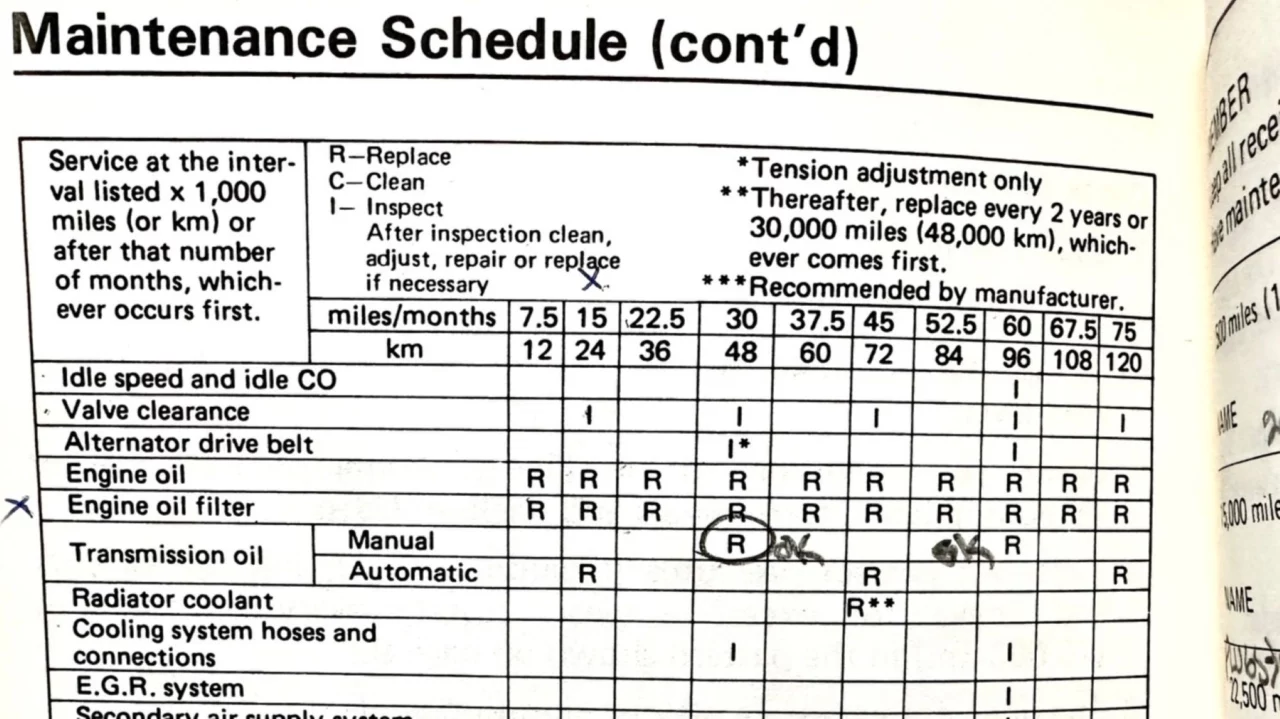
Manuals from 50 or more years ago routinely had instructions for how to adjust valves or carburetors, in addition to wiring schematics and exploded technical views. Because cars were built with fewer complex features, fewer pages were needed. Nowadays, legal disclaimers, warnings, and technical instructions can take several hundred pages alone.
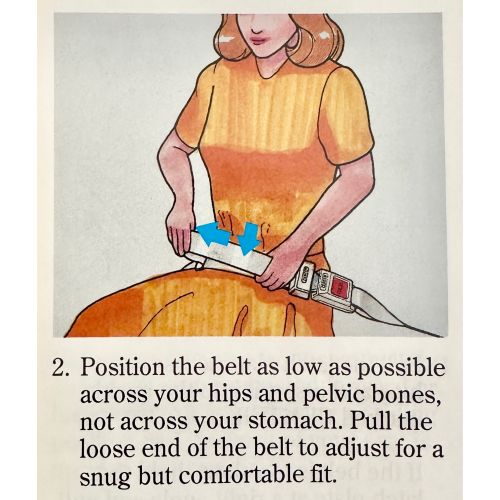
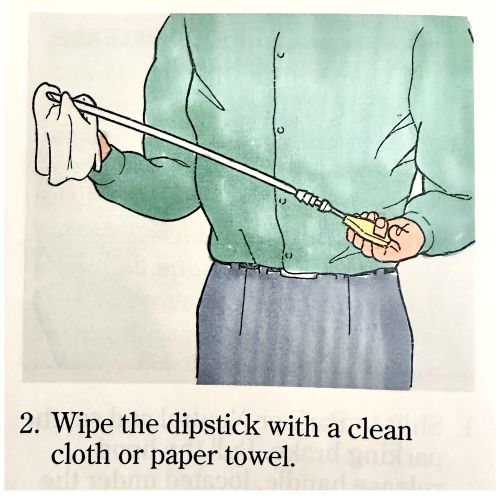
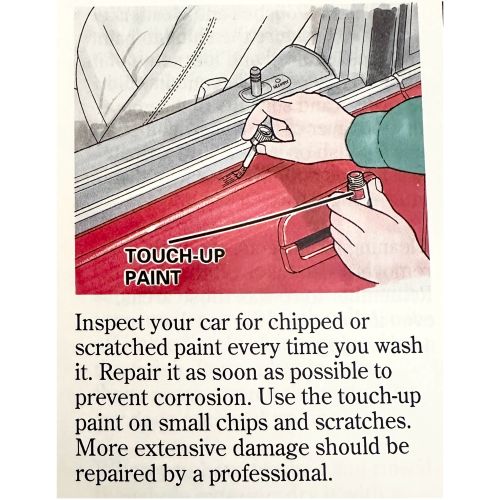
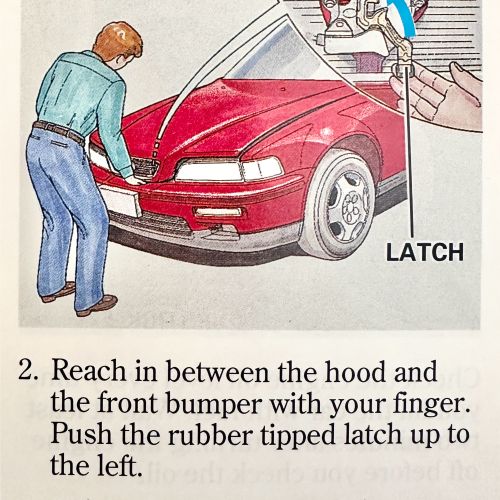
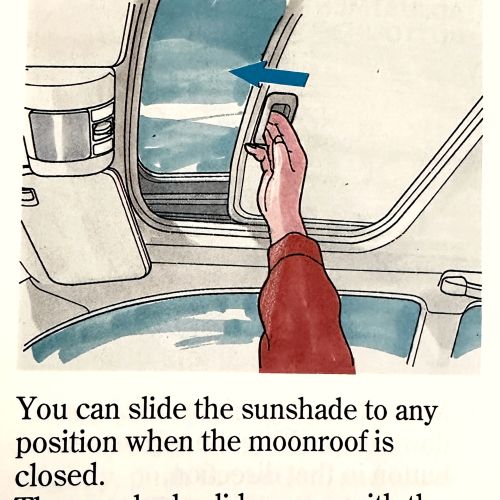
I found myself noticing this while thumbing through a manual for my 1994 Acura Legend. One thing that stood out to me was the whimsical cartoon artwork found throughout (no doubt hand-drawn by a skilled illustrator either working for or contracted by American Honda).
The cartoons made it feel like I was thumbing through a comic book rather than a car manual. Some of my favorite images are found below. What are your thoughts on the modern-day owner’s manuals as opposed to those of yesteryear?