In 2012, you may have caught sight of a large, derivative sedan built by a company named after an engineer/inventor born and raised in the Empire of Austria. This car was the second model from this company but the first that wasn’t borrowed from another manufacturer. A lot has changed since then, including the visibility of the brand — Tesla — so it is with some surprise that I learn the imaginatively named Model S (and its much cooler cousin, the gullwinged Model X) has been discontinued.
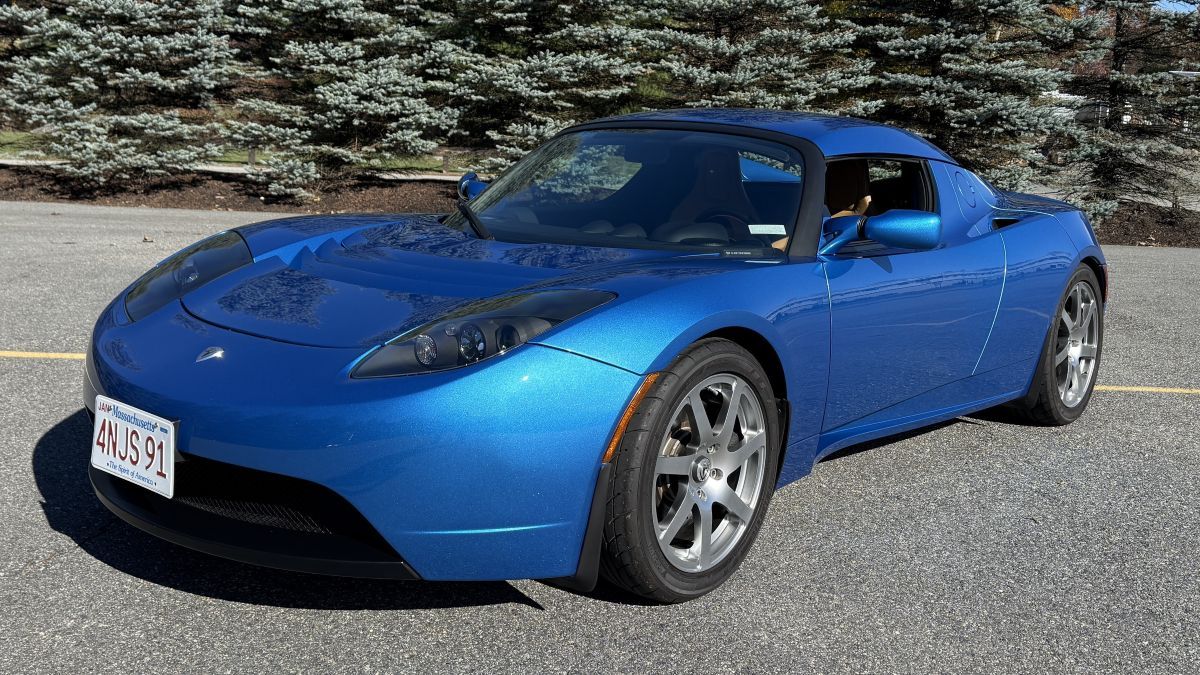 The Lotus-based Tesla Roadster
I think most enthusiasts’ experience with EVs back in 2012 had to do with watching an old Datsun converted to electricity on YouTube, ripping it up at a drag strip. There were few EVs already in the American market at the time, with the Nissan Leaf being the best-known. According to Car and Driver magazine, what the Model S got right was that it performed very well as a car no matter what the propulsion.
In its first year, the Model S was available in four trim levels: base, Performance, Signature, and Signature Performance. In the periodical’s first instrumented road test, the $109,600 2013 Model S Signature Performance pulled off 0-60 in 4.6 seconds, which almost seems slow these days. The motor was rated at 416 horsepower and supported by an 85-kWh battery.
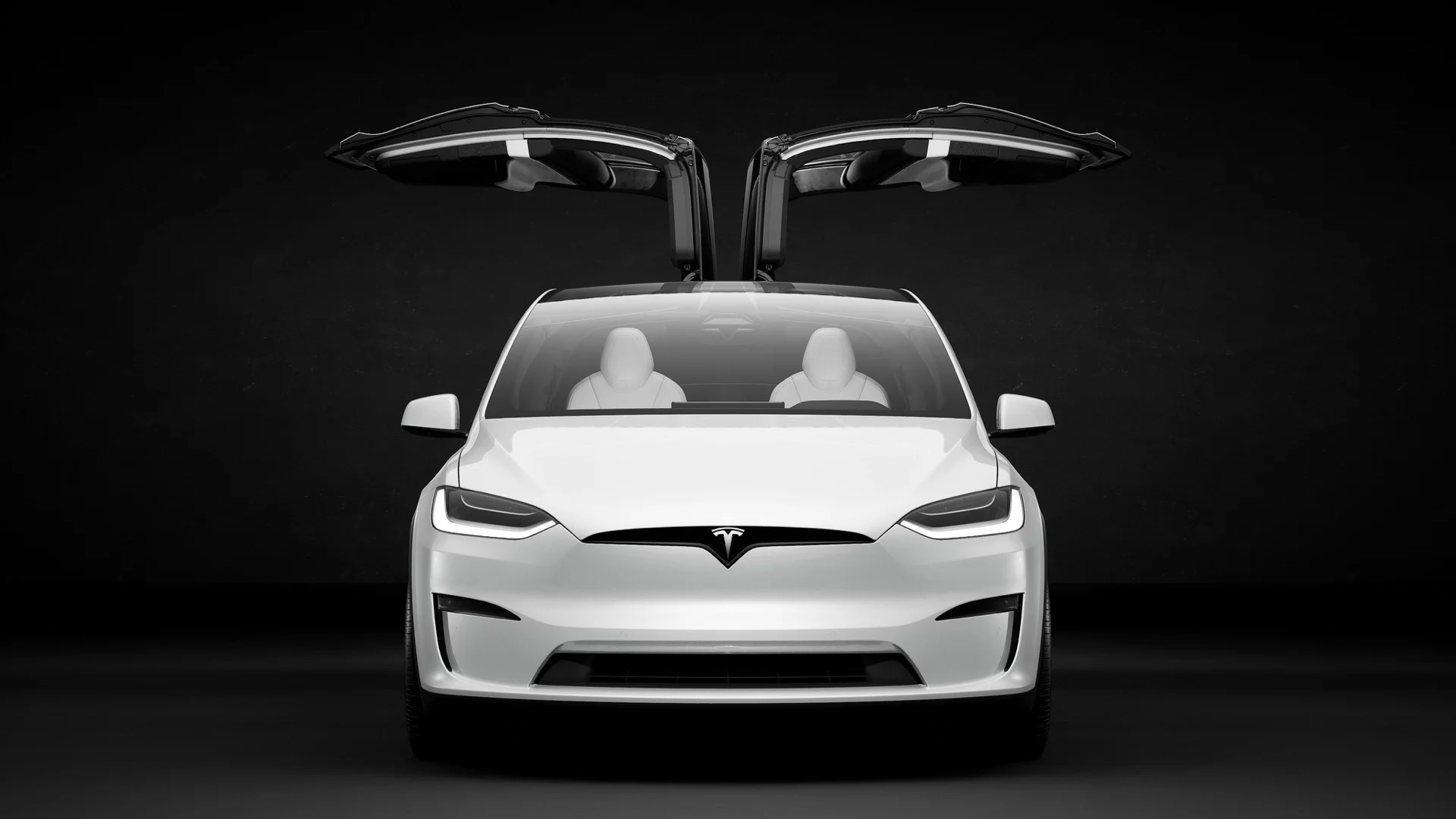 Tesla Model X
Over time, a lot has happened: the proliferation of Supercharger stations, EV acceptance beyond Greenies, state dealer organizations that tried to prevent Tesla sales, aggressive driving stereotypes that would make a BMW driver blush, and even Elon Musk’s rise (and fall) in popular culture. Through thick and thin, Tesla has remained the EV to which all others are compared. The fact that the Model S has continued to compete (if not remain competent) today — now with up to 1,020 horsepower — speaks to its good bones despite the quality issues that have plagued the upstart. And with the Plaid starting at $111,630, the Model S appears to remain a fair value considering 0-60 happens in 2.1 seconds.
It would be nice to know what’s coming next, but that’s never been a stable proposition with Tesla — per Car and Driver, “Tesla has proved that making promises is more profitable than keeping them, at least on a projected timeline.” You’d think that would be problematic for most consumers, but we live in a different world these days.
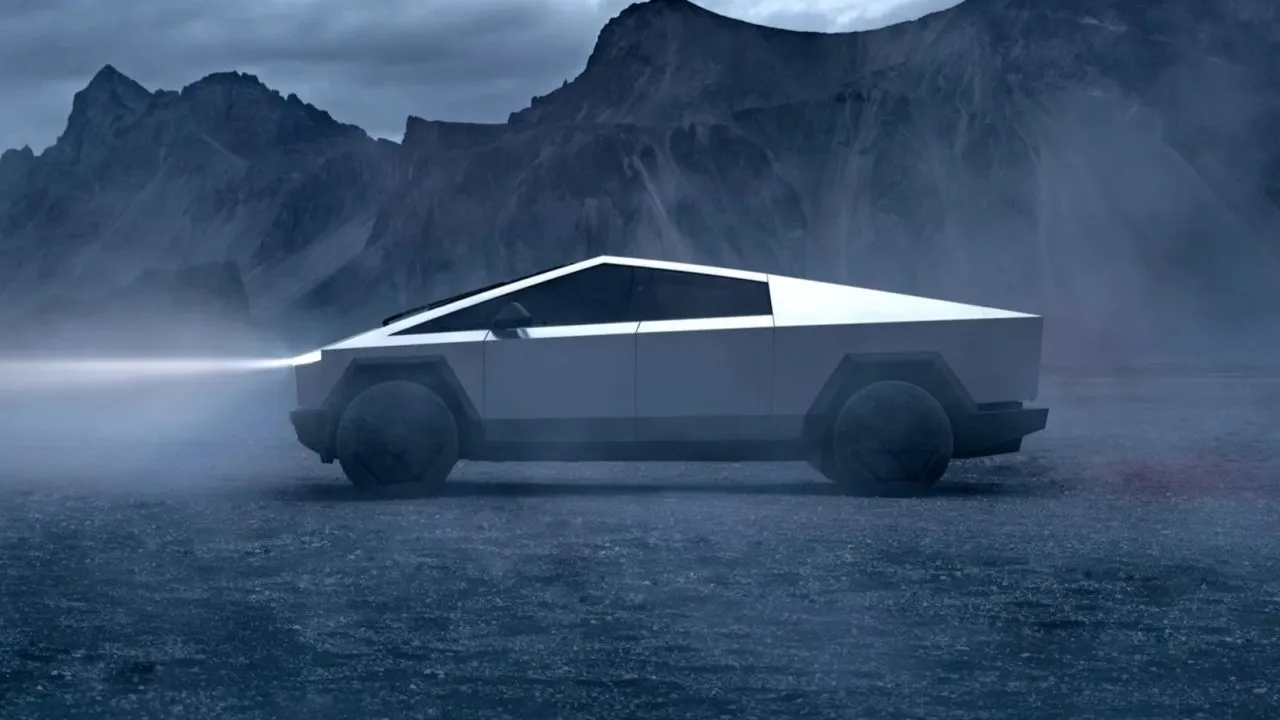 Tesla Cybertruck
So, no, we can’t say what’s next for Tesla, but considering the President is meeting with his Chinese equivalent, I predict the brand is the impetus for seeing Chinese EVs on American roads within five years. Additionally, I hope to see more buttons in Tesla interiors instead of misguided attempts by computer designers to reinvent the wheel.