The experts in classic car transport from WeShipCars created this guide to help classic car collectors understand the entire process of classic car shipping, making them better prepared for what to expect and what to avoid. It’s for anyone looking to ship classic car models affordably, safely, and completely protected, including collectors, dealers, restorers, auction buyers, or antique vehicle owners.
In this guide, we’ll walk through the main things to know about how shipping a classic car works, including quotes, enclosed transport, insurance, and how to prepare the vehicle for pick-up.
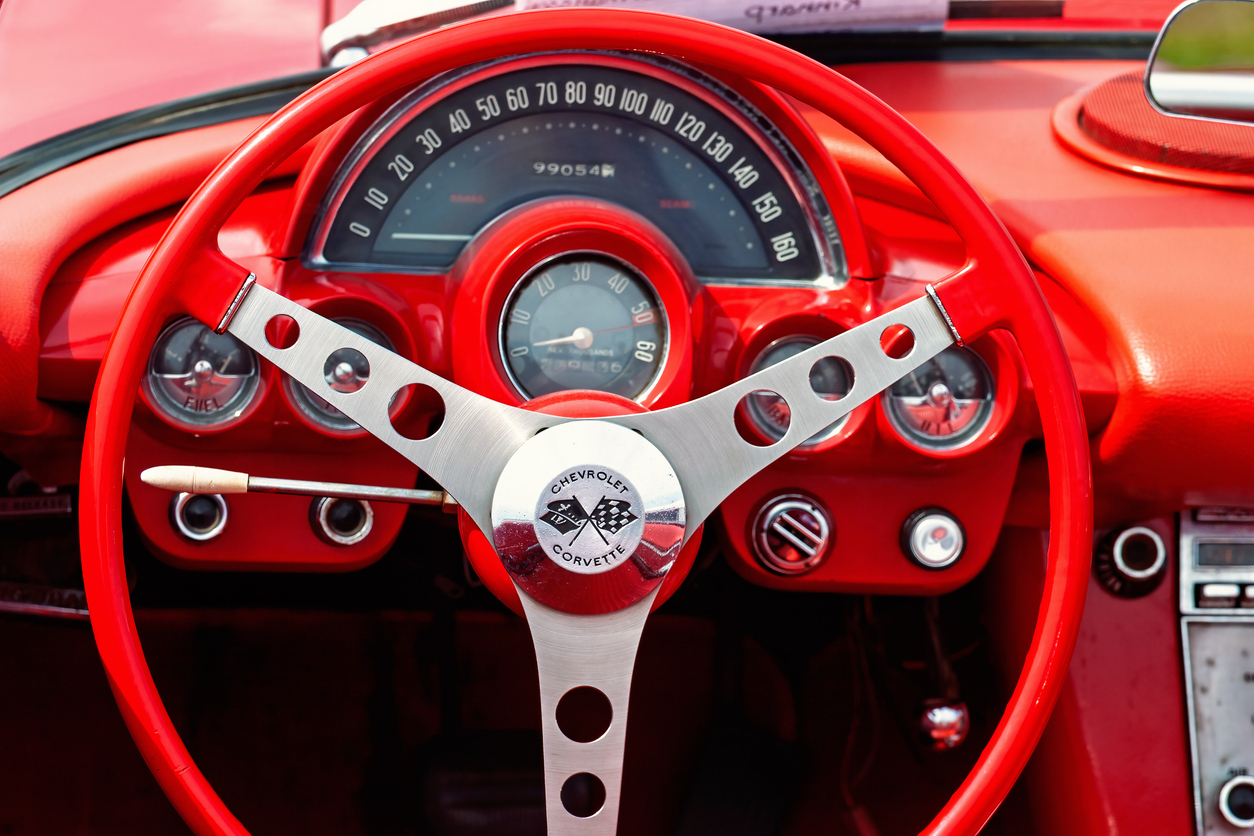
The classic car shipping process
If you want to ship a classic car, the first step is to get several quotes. Factors that are taken into account include details of the vehicle you want to ship, where you want to ship it from and to, the type of transport service, and how quickly you want to ship your car. You compare quotes, select a shipping company and make your booking. The auto transport company chooses a suitable trucker, and an expected pick-up date is arranged.
On the day of pick-up, you and the driver inspect your vehicle and record its condition on the Bill of Lading. Then the driver loads your vehicle.
Owners of antique, collector, or high-value vehicles typically choose enclosed car transport because it protects the car from weather, road debris, and general exposure during transit. Open transport may cost less, but it’s better suited to everyday vehicles.
During transit, you should expect to receive regular updates on your shipment. When the vehicle is delivered, it’s inspected again before you sign off.
Services that we recommend to look for
When choosing classic car shipping services, protection and timing matter most.
- Door-to-door: The carrier collects and delivers the vehicle as close to each address as safely possible. For many collectors, the best door-to-door classic car shipping services reduce extra mileage, handling, and stress.
- Enclosed auto transport: Enclosed trailers protect the car from road debris, weather, and general exposure.
- Open auto transport: Open trailers usually cost less, but they expose the vehicle to weather, dust, and road debris. This may suit some older project cars, but it’s rarely the best choice for a valuable antique or collector vehicle.
- Guaranteed car pick-up: Useful when a car must be collected on a specific date, such as before an auction, classic car show, relocation, or storage deadline.
- Expedited auto transport: This service is an option for anyone who’s making their classic car shipping arrangements at the last minute or who needs to get to their favorite rod and custom event quickly. Pick-up can be arranged within 24-48 hours.
Classic car shipping quotes and rates
The cost of classic car shipping services depends on a number of factors, including the vehicle, route, trailer type, timing, and carrier availability. Enclosed transport costs more than open transport, but it’s usually the better option for antique, vintage, and collector vehicles.
Factors that affect the classic car shipping cost:
- Distance and route: Longer trips tend to cost more overall, but classic car shipping rates per mile are generally lower for cross-country routes.
- Vehicle size and condition: Larger, modified and custom classic cars require more space on the trailer and special care which costs more. Inoperable vehicles also cost more because they may need winching or special handling.
- Transport type: Enclosed carrier service raises the cost to ship a classic car, but it helps protect the vehicle from weather, dust, and road debris.
- Timing: Flexible pick-up windows usually help keep classic car shipping rates more manageable. Guaranteed or expedited service costs more.
As a rough guide, the cost to ship a classic car using enclosed classic car shipping may be around $900 to $1500 for shorter regional routes, $1200 to $1500 for mid-distance routes, and $1800 to $3000 or more for coast-to-coast transport. If you’re wondering how much does it cost to ship a classic car exactly, it’s best to request a car transport quote based on your exact vehicle, route, and timing.
How to find the best classic car shipping companies
Choosing between classic car shipping companies takes more than comparing low prices.
- Build a shortlist: Start with Google or ChatGPT research, word of mouth, classic car forums, social media groups, owner threads, and sponsors or partners listed on specialist sites.
- Get prices: Request more than one quote, but be careful with prices that look unrealistically low. The best classic car shipping companies base quotes on real carrier availability, route demand, trailer type costs, insurance and timing.
- What the service includes: Look for door-to-door transport, $0 upfront payment, free cancellations, insurance coverage, vehicle inspections, and vetted truckers. Cheap is not always good value!
- Read reviews: Look for consistent comments about careful handling, communication, on-time pick-up, and how the company deals with problems on trusted platforms such as Google, the Better Business Bureau (BBB), Trustpilot, ConsumerAffairs, and Shopper Approved before choosing a classic car shipping company.
- Decide and book: The right provider should offer the best balance of price, protection, experience, and service.
Classic car shipping insurance
Before booking, request written proof of carrier insurance. Check the coverage limit, exclusions, deductibles, and claims process.
Transport insurance helps on the rare occasions that a car is damaged because of the move itself, for example, during loading, transport, or unloading. If an old part fails, the engine develops a problem, or the electrics start acting up, that usually falls outside shipping insurance.
Before pick-up, take clear photos and make sure you accurately record the vehicle’s condition on the Bill of Lading. Check the car again at delivery before signing.
Expert tips for classic car shipping
Use these expert tips for classic car shipping to reduce risk before, during, and after transport:
- Choose enclosed transport for higher-value cars for optimum protection.
- Look for classic car providers that regularly handle antique, collector, and restored vehicles, not just everyday cars.
- Confirm insurance before booking and ask for written proof of carrier insurance so you can check the details.
- Be flexible when possible because it helps secure a better carrier and avoids rushing scheduling.
- Prepare before pick-up by cleaning the car, photographing it, removing loose items, leaving about a quarter tank of fuel, and checking for leaks.
Conclusion
Classic car shipping is easier when you understand the process, compare quotes carefully, check insurance, and choose the right transport option for the vehicle. For many antique, vintage, and collector cars, enclosed transport offers the best balance of protection and value.
WeShipCars also offers exclusive deals for ClassicCars.com customers, with up to 10% off classic car shipping. If you’re planning to move a classic vehicle, request a quote and ask about the available discount before booking.