Subaru was a pioneer in proving to the world that a station wagon could double to some extent as a capable off-road rig. First launched as a trim package for the second-generation Legacy wagon in 1995, the Outback is still around today in its seventh generation (2025-present).
Outbacks (and many other Subaru models) established a foothold with a niche audience because of the way they bridged the gaps between car-like handling, generous cargo space, practical interiors, multi-terrain capability, and competitive pricing.
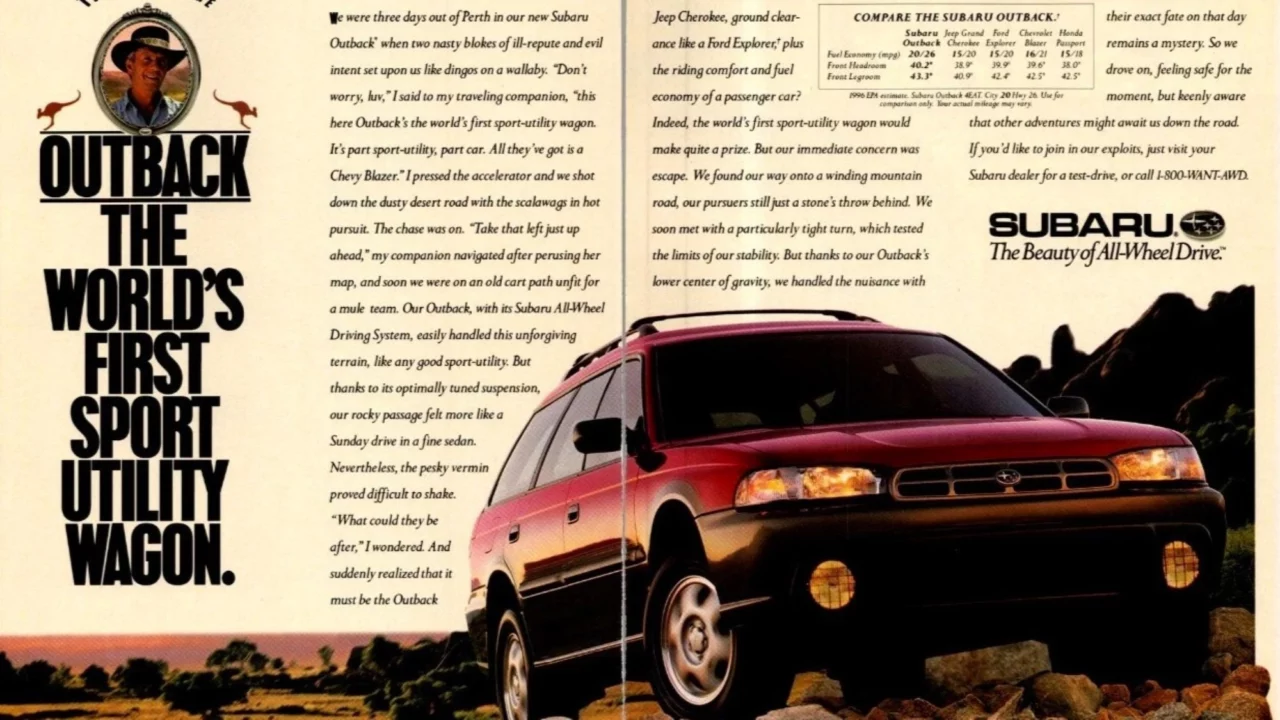
The original Outback was marketed as “The World’s First Sport Utility Wagon” even though its upgrades were little more than a two-tone paint job, factory luggage rack, and unique interior.
That would change in subsequent models, with Subaru giving the Outback a raised suspension, durable body cladding, larger fog lamps, and better tires. Of course, the key ingredient was Subaru’s standard “symmetrical” all-wheel drive for maximum grip.
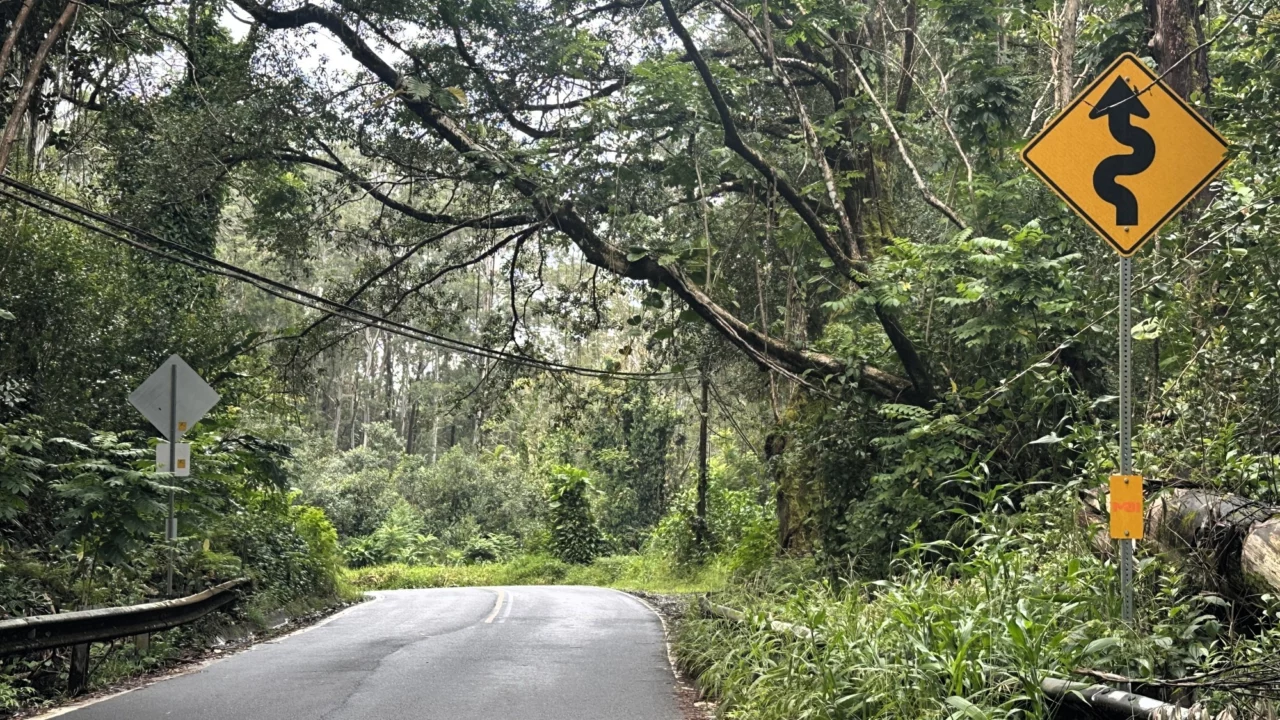
While on a recent family vacation in Hawaii, I made a point to drive the famous Road to Hana on the north shore of Maui. It’s a stretch of road only about 60 miles in length, and it traverses incredible terrain with waterfalls, forests, and many wayside parks. The road is known for being treacherous because of its narrow one-lane sections, 600 curves, blind corners, and nonexistent cellular service.
Imagine my surprise when I came around a corner and saw the back end of a third-generation (2004-09) Outback that was nearly completely shrouded in plant life. Of course, I had to pull over and get a closer look! The vehicle clearly had been there for some time.
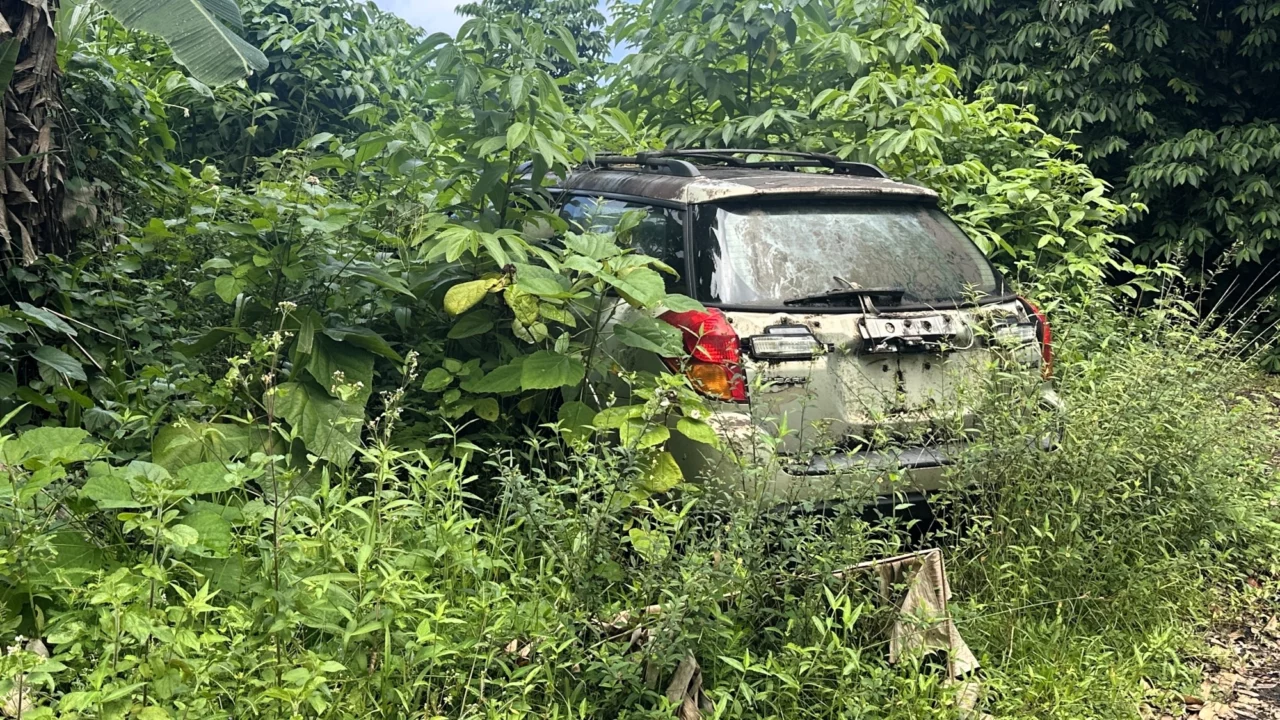
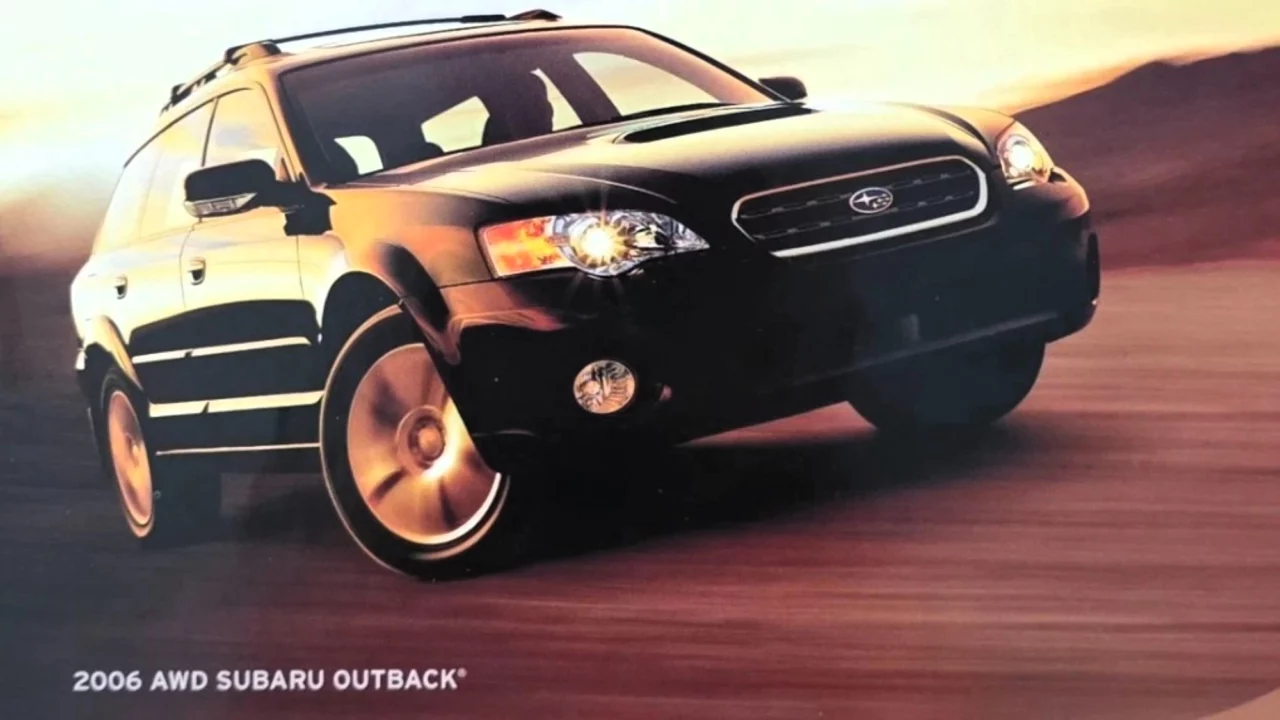
I neglected to pull the VIN, but the vehicle was most likely from toward the middle part of the model run — around 2006.
It’s no wonder Subarus are popular in Hawaii, a state known for its year-round good weather and vast outdoor adventure wonderland.
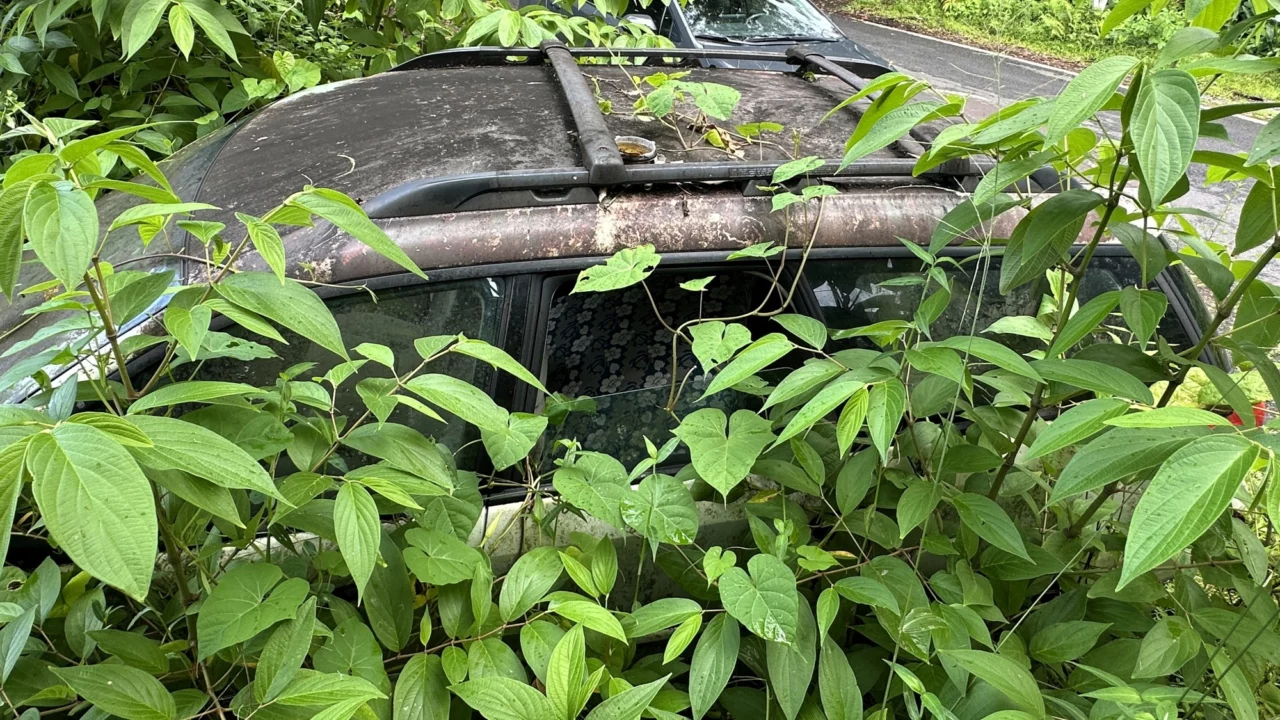
“That’ll buff out,” right? Actually, it probably would.
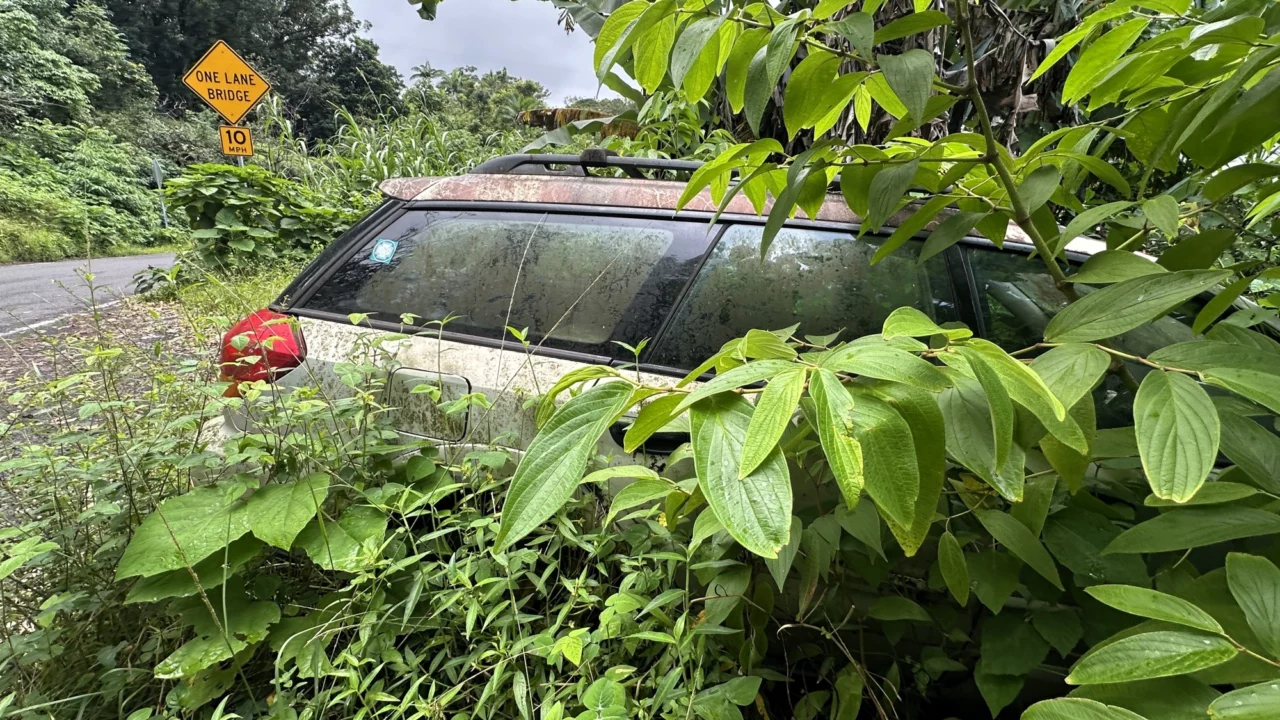
Depending on trim level, engine options included a naturally-aspirated 2.5-liter flat-four, turbocharged 2.5-liter flat-four, and 3.0-liter flat-six. Transmissions included a five-speed manual or a five-speed automatic. This was before continuously-variable transmissions (CVTs) took over.
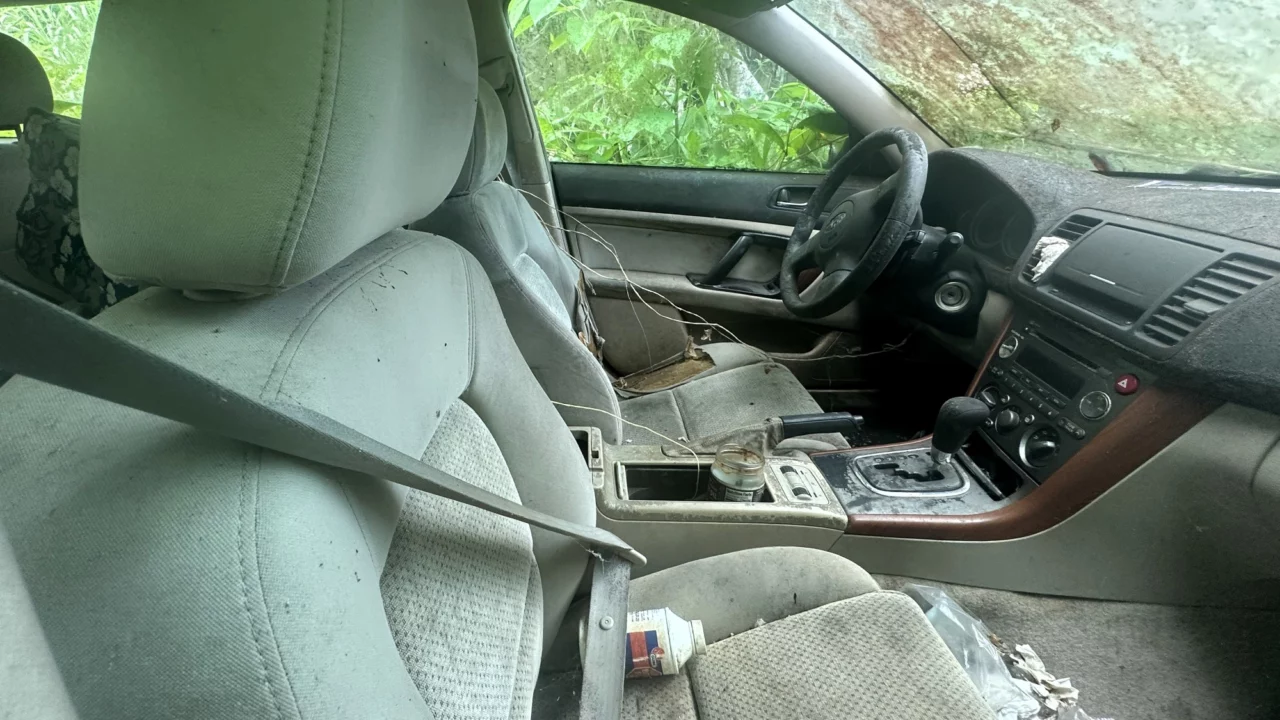
The grown-in Outback brought up so many questions for me. While poking around the site, I received yet another surprise — parked right next to it was a second Subaru, this one a blue Forester. All I could see was a piece of the driver-side rear door.
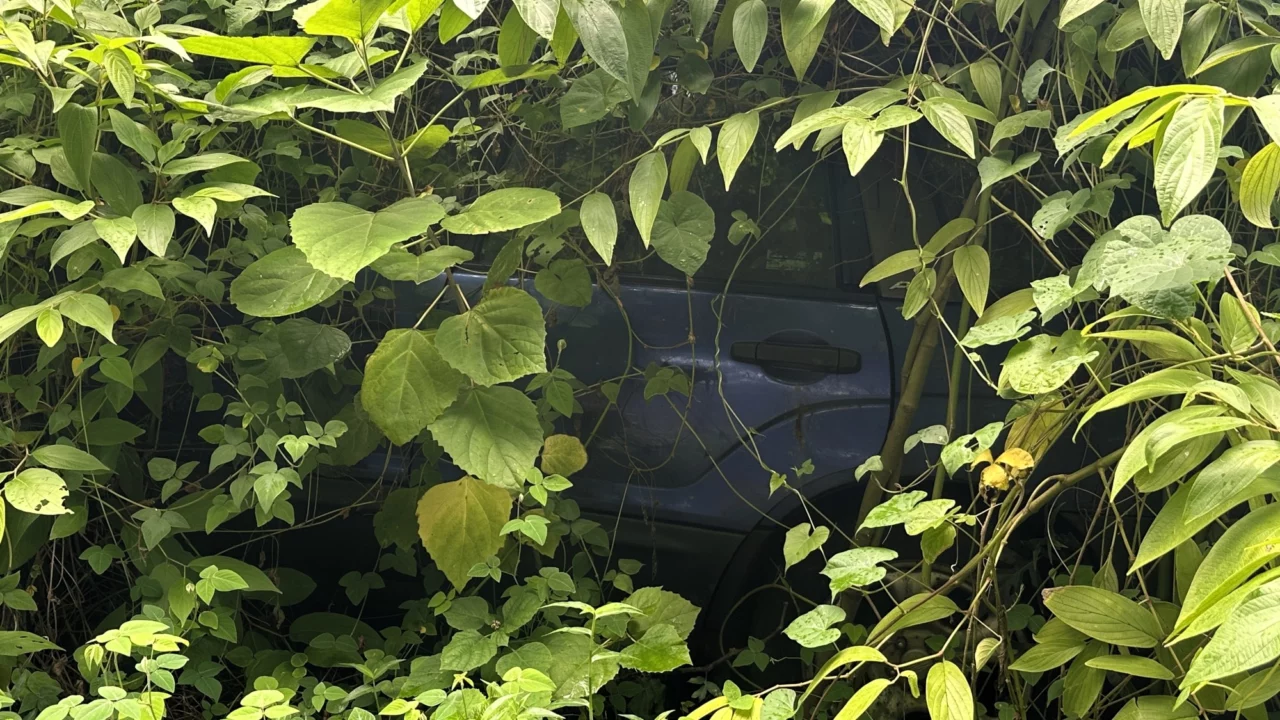
If you look closely, you can see a headlight buried in there.

Now I’m curious how not one, but two, Subarus ended up parked midway along one of Hawaii’s most famous driving roads. And how long have they both been sitting there? For now, this will have to be considered an unsolved mystery of Maui.