When the Porsche 918 Spyder debuted, the automotive world was in the middle of a technological arms race unlike anything it had ever seen. Three manufacturers set out to build the ultimate halo car, each taking a different path toward the future. Ferrari unleashed the ferocious hybrid-powered LaFerrari. McLaren answered with the twin-turbocharged P1. Porsche, meanwhile, approached the challenge with typical German precision, creating a machine that combined race-car engineering, cutting-edge hybrid technology and everyday usability into a package that seemed almost impossible at the time.
Seemingly released simultaneously, the three revolutionary hybrid hypercars were dubbed the “Holy Trinity” by automotive journalists, car enthusiasts and social media influencers at the time. Today, the 918 Spyder stands as one of the legendary vehicles in that equation.
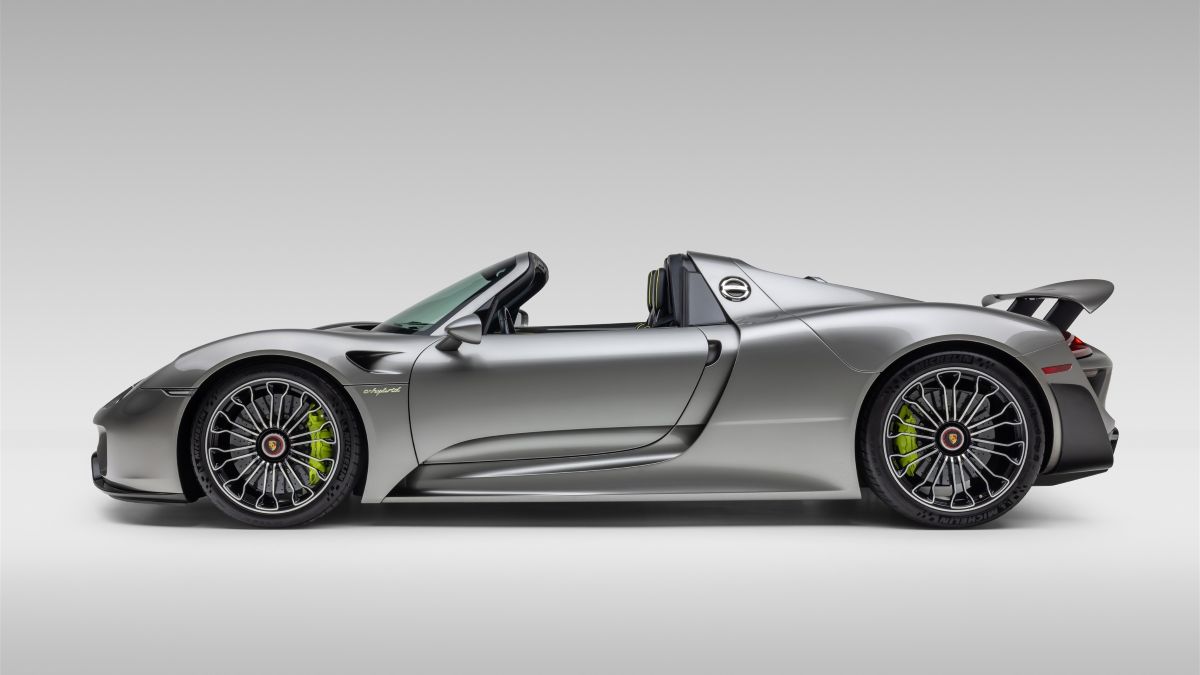
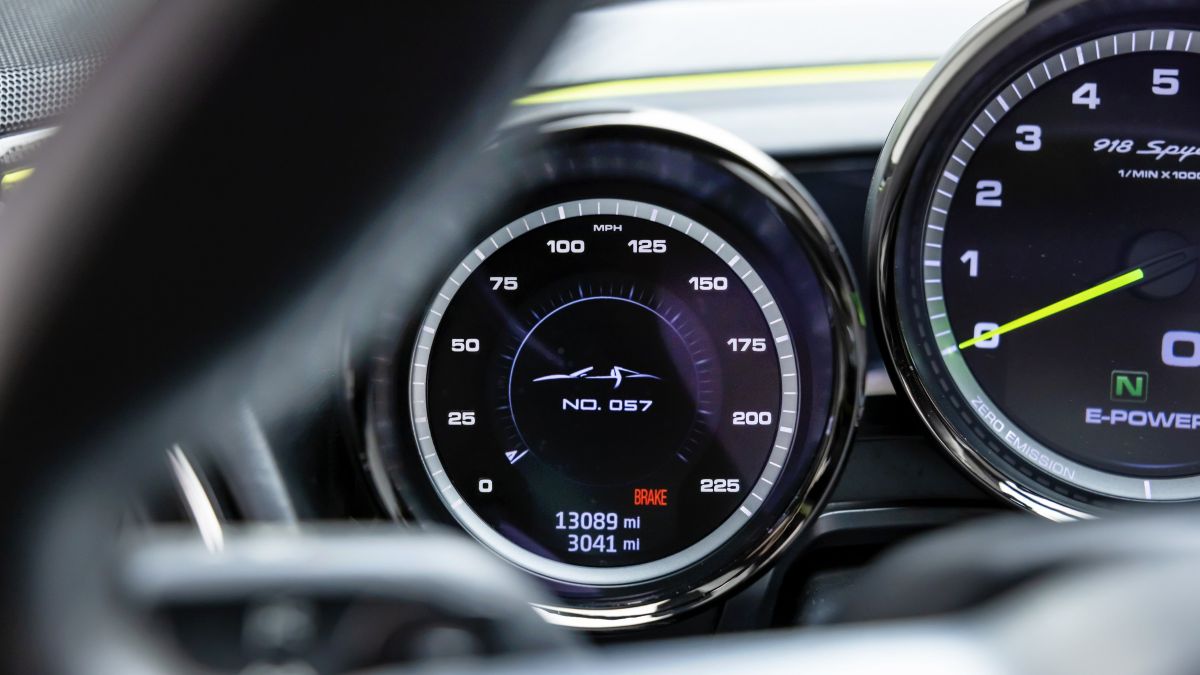
This particular 2015 Porsche 918 Spyder (Lot #736), No. 57 of just 918 examples produced worldwide, represents one of the most significant performance cars of the modern era — and it’s selling with No Reserve at the inaugural Columbus Auction, June 25-27 at the Ohio Expo Center & State Fairgrounds.
The 918’s story began at the 2010 Geneva Motor Show, where Porsche unveiled a concept that looked more like science fiction than a future production vehicle. Public reaction was immediate and overwhelming. With the project approved, engineers set about creating a car capable of delivering breathtaking performance while showcasing the future of the brand’s electrified technology.
The result was extraordinary.
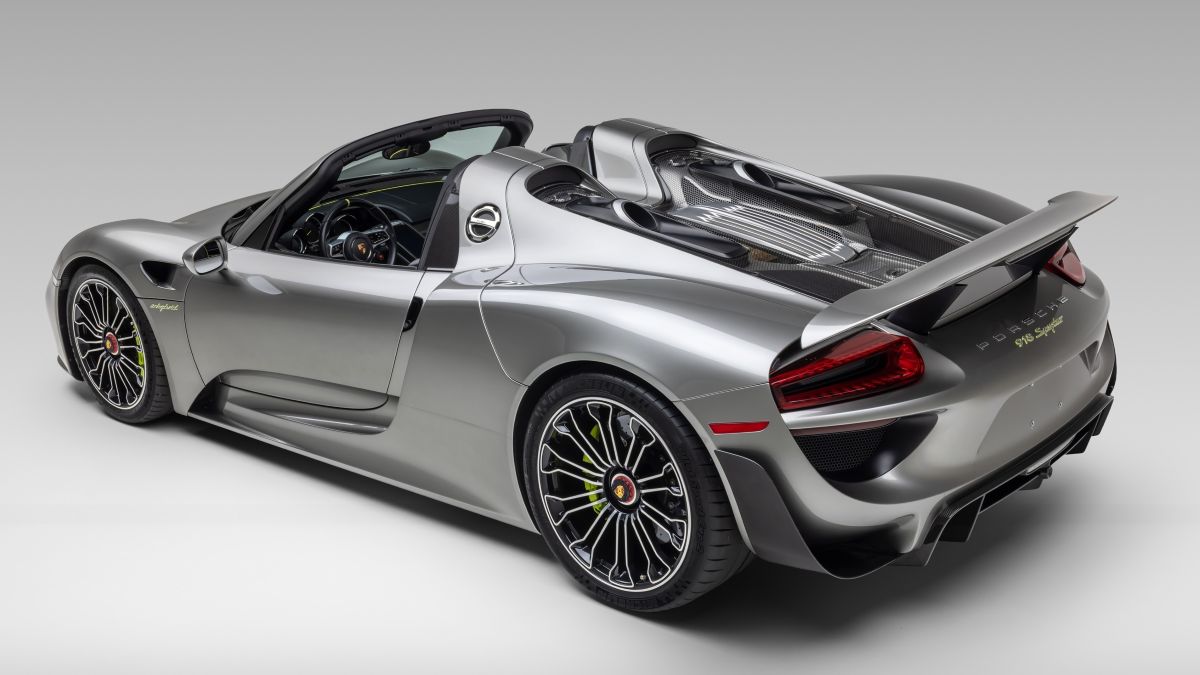
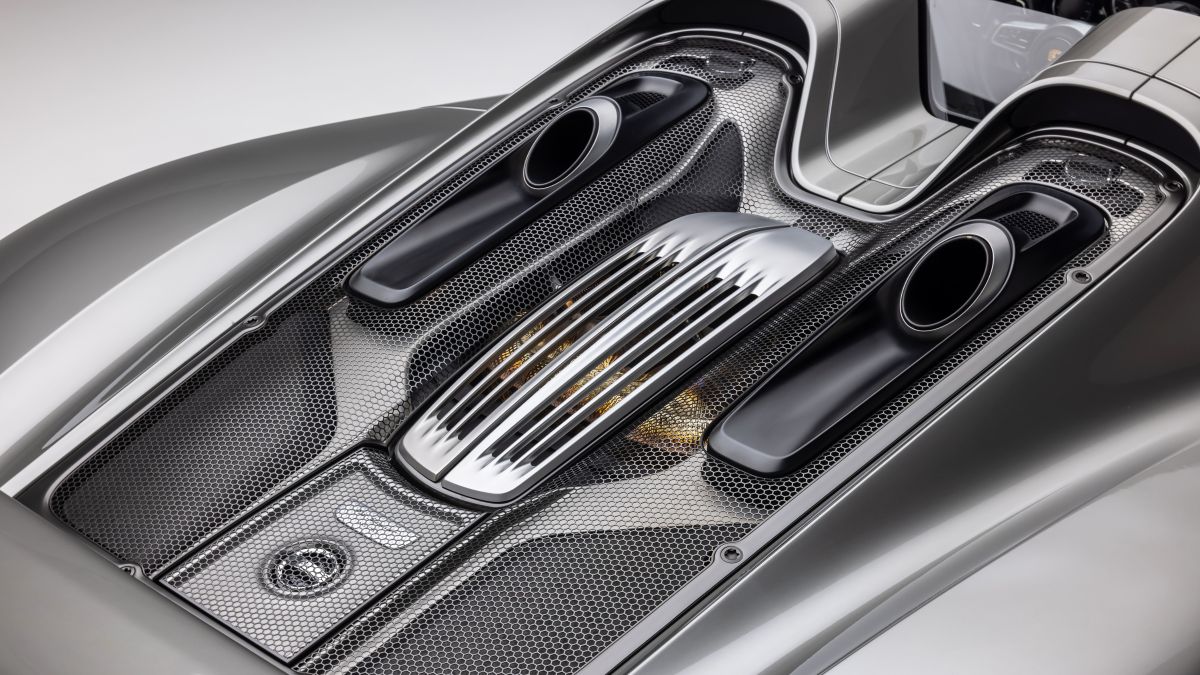
At the heart of the 918 Spyder is a naturally aspirated 4.6-liter V-8 engine derived from Porsche’s RS Spyder LMP2 race car program. Unlike many modern hypercars that rely heavily on turbocharging, the 918’s V-8 revs to a spine-tingling 9,000 rpm while producing an intoxicating soundtrack unlike anything else on the road.
That engine is paired with dual electric motors, one at the front axle and another at the rear, creating a combined output of 887 horsepower and 944 lb-ft of torque. Power is routed through a seven-speed PDK dual-clutch automatic transaxle, giving the 918 incredible traction and acceleration.
The numbers remain impressive more than a decade later. Porsche claimed a 0-to-60 mph time of approximately 2.6 seconds and a top speed exceeding 210 mph. The 918 became the first production car to break the seven-minute barrier around Germany’s Nürburgring Nordschleife, recording a stunning 6:57 lap that sent shockwaves through the automotive industry.
But track-torching speed was only part of the story.
Unlike many hypercars that feel intimidating or uncompromising, the 918 was engineered to be remarkably approachable. Drivers could instantly transform the car into a track weapon with the turn of a dial with adjustable driving modes, adaptive suspension and advanced all-wheel drive technology.
Visually, the 918 remains every bit as dramatic today as it was when new.
Complemented by more than $113,000 in factory options and protected by full-body paint protection film, the sleek bodywork finished in stunning Liquid Metal Silver highlights every curve and aerodynamic surface.
Among the hypercar’s most distinctive design elements are the dual rear upper-mounted exhaust outlets positioned behind the passenger compartment. Inspired by Porsche’s racing prototypes, the unusual placement shortens exhaust routing, reduces weight and creates one of the most memorable visual signatures in modern automotive design.
Additional performance-focused details include 20- and 21-inch center-lock wheels, Weissach carbon-fiber rear diffuser blades, Porsche Active Aerodynamic rear spoiler and carbon-ceramic brakes with signature Acid Green calipers. A front axle lift system helps navigate everyday obstacles, while removable body-color roof panels allow the car to transform into an open-air roadster.
Inside, the cabin blends luxury and motorsport in a way only Porsche could achieve.
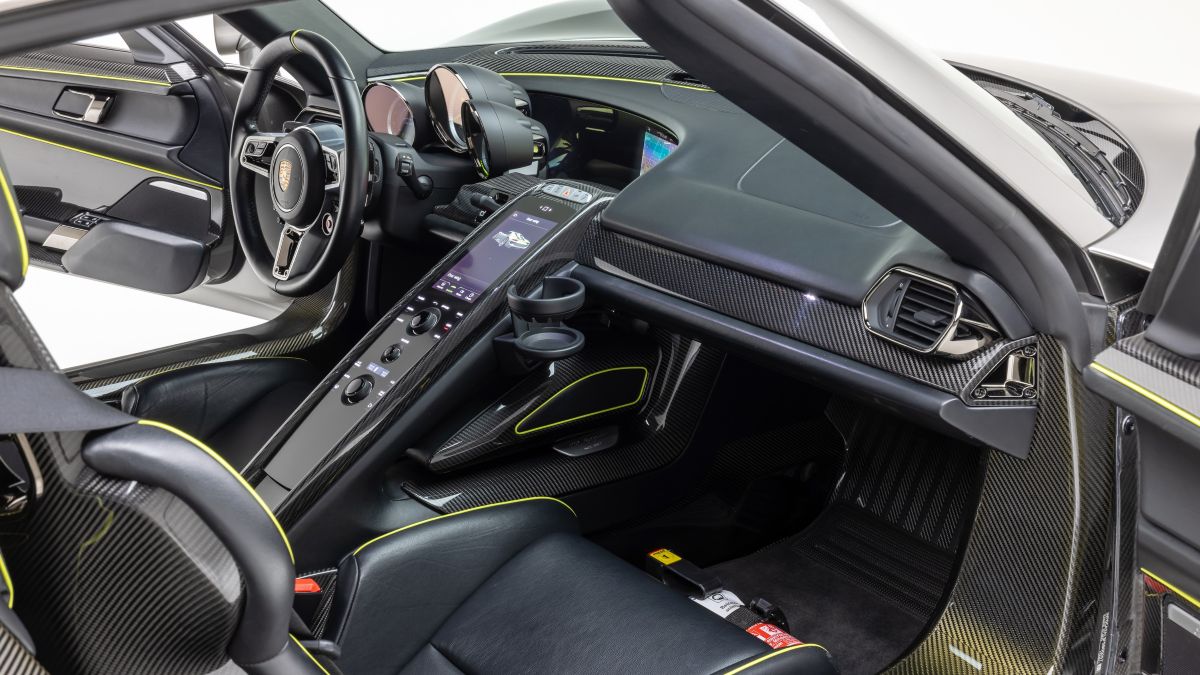
The Onyx leather interior is accented with Acid Green stitching and trim, echoing the car’s hybrid performance credentials. Carbon-fiber-backed bucket seats, a carbon-fiber interior package and Alcantara headliner reinforce the race-inspired atmosphere, while premium amenities such as HD navigation, Wi-Fi connectivity, Bluetooth integration and a Burmester high-end surround sound system ensure comfort on longer journeys.
More than a decade after its introduction, the Porsche 918 Spyder remains a landmark achievement. It demonstrated that electrification could enhance performance rather than diminish it, paving the way for today’s generation of hybrid supercars and hypercars.
As No. 57 of only 918 produced and showing just 13,090 actual miles, this example represents a car that helped usher the supercar world into a new era while proving that efficiency, technology and staggering performance could coexist in a single breathtaking machine.
This article was originally published on Barrett-Jackson.com.