Writing about a Chevrolet El Camino brought my attention to the 1966-67 Ford Ranchero. Why would Ford introduce a redesigned Falcon-based model, only to transfer the Ranchero to the Fairlane platform the following year? Digging deeper, the narrative is not quite what initial appearances may suggest, and there’s sense to be made out of it.
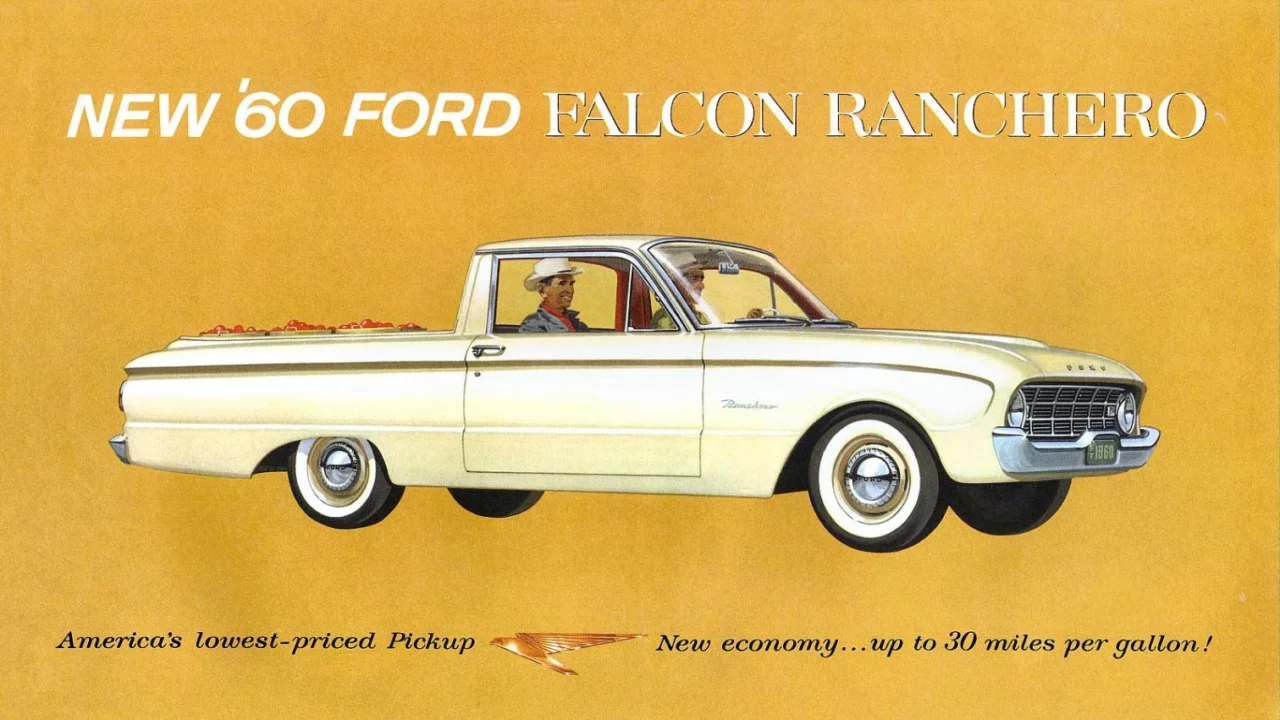
Since 1960, Ford produced the Ranchero on the Falcon platform, as Ford felt that combining economy with full-sized capacity (the box was six feet in length and grew to nearly eight when the tailgate was down) was right for the majority of pickup uses. Ford also touted the 27-inch height and the 38.9-inch lift from the ground to the top of the Ranchero’s sides.
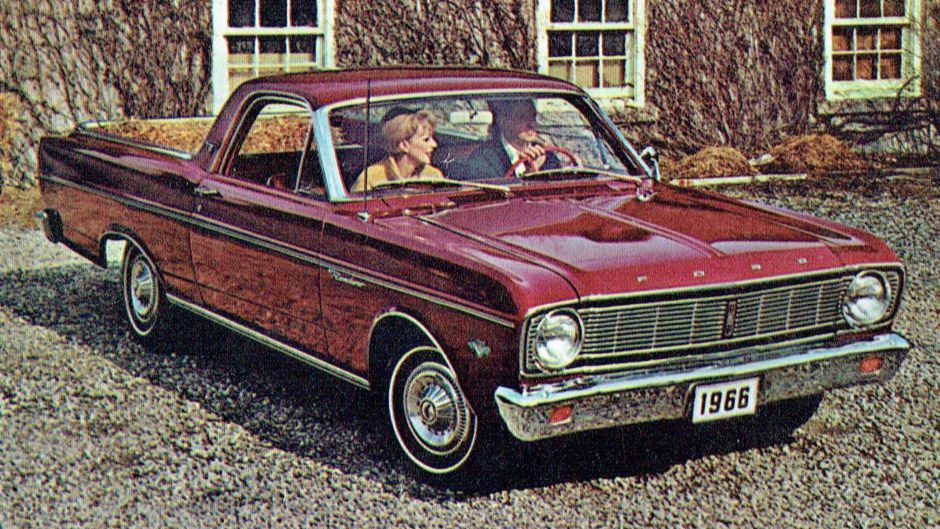
But like many cars in the 1960s, the Falcon grew with each redesign. When the third-generation Falcon was introduced for 1966, Ford did something interesting: It engineered and designed the compact Falcon to share a platform with the redesigned, midsize Fairlane. Though the latter model used a longer wheelbase, both the Falcon and Fairlane station wagons shared the same 113-inch wheelbase. In turn, the Ranchero itself used an altered station wagon platform with the same wheelbase.
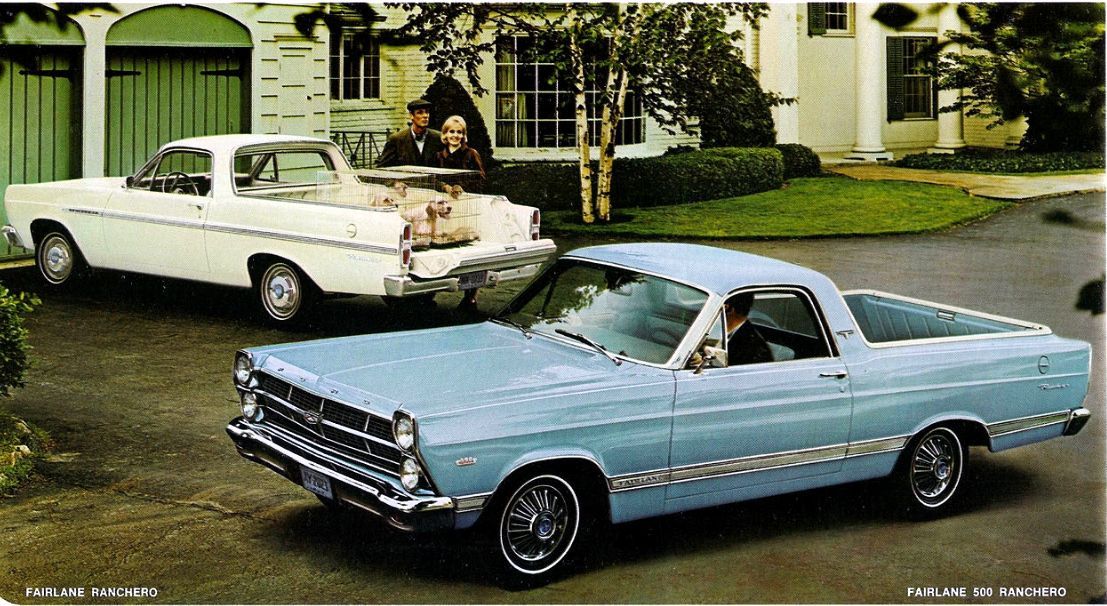
For 1967, Ford transferred the Ranchero name from the Falcon to the Fairlane. Nonetheless, the cars were mostly the same. From the cowl forward, the 1967 Ranchero was a Fairlane, but from the cowl on back, the Ranchero was the same as before. Given this new status, Ford decided to equip the Fairlane with big-block power, available with a two- or four-barrel carburetor, the latter offering 320 horsepower.
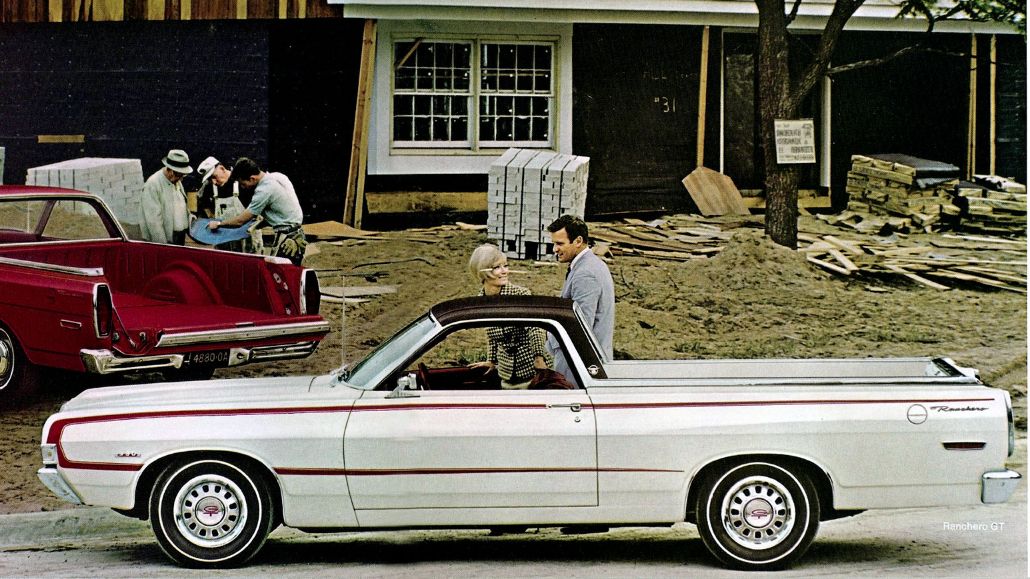
For 1968, with the introduction of a new-generation Fairlane, the Ranchero shed any connection it had to the Falcon and lost its modular status, though the bigger size and the performance options could have been strong selling points to consumers.