Over the past 10 years, I have had the opportunity to participate at Concours d’Elegance events as both an entrant and a judge. Most of these experiences have been overwhelmingly positive, but a handful have been a very different impression. That said, not everything at a concours always goes as smoothly as it should. However, the issues that arise are often avoidable. The quality of the chief judge plays a critical role in ensuring not only accurate and fair results but also a positive experience for everyone involved in the judging process. Remember, the most important participants at any concours are the entrants, as without them, there would literally be no concours. While judges should enjoy a positive and rewarding experience, their enjoyment must always take a back seat to that of the entrants, who deserve a positive experience regardless of whether they leave with an award.
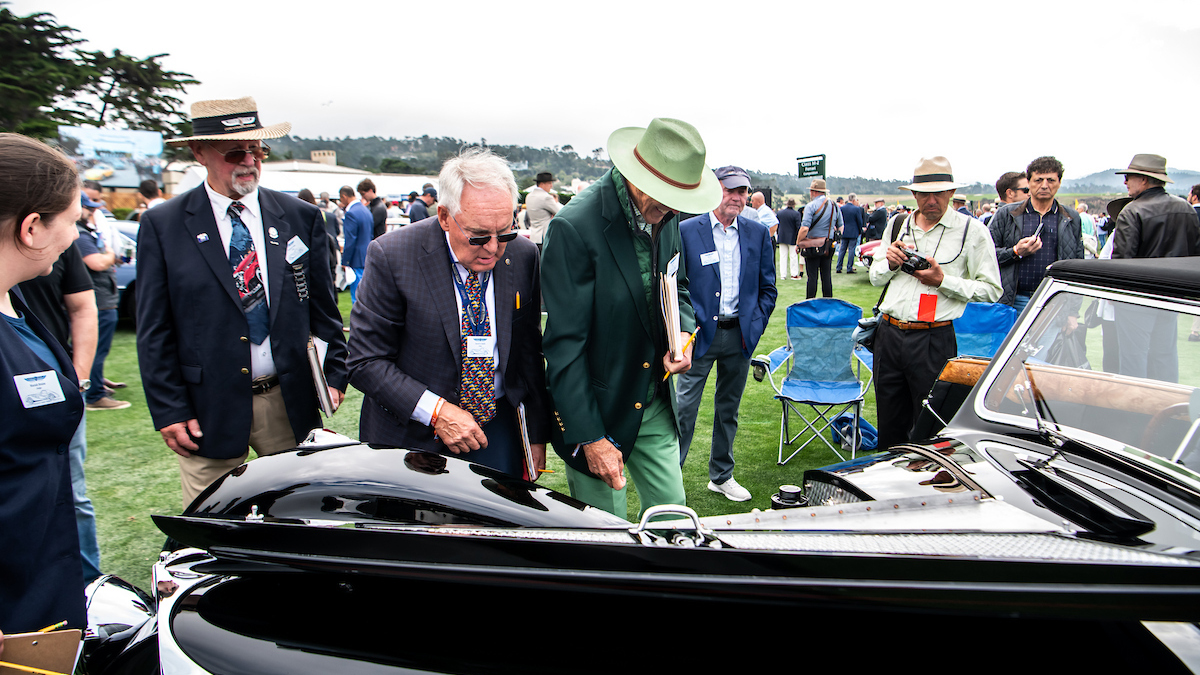
From an exhibitor’s perspective, I’ve shown two cars at concours events — one at a top-tier competition and the other at a regional event — with results that were, to say the least, puzzling. At the top-tier concours, I entered a Ferrari that was the 16th road car built by the Italian automaker. It had been owned by a historically significant figure and restored by a leading authority on early Ferraris. Given its significant provenance, the car was competing in a field that included several considerably less significant examples. The Ferrari did not receive even a Third Place in Class or a special award. I could only surmise that the disappointing result stemmed from the judges assigned to my class, who were experts in Mercedes-Benz and BMW vehicles, may not have fully appreciated the historical significance of the Ferrari I was exhibiting. This became apparent as soon as I began presenting the car. Its storied history, which would have been immediately meaningful to a Ferrari expert, seemed to carry little significance with any of the judges.
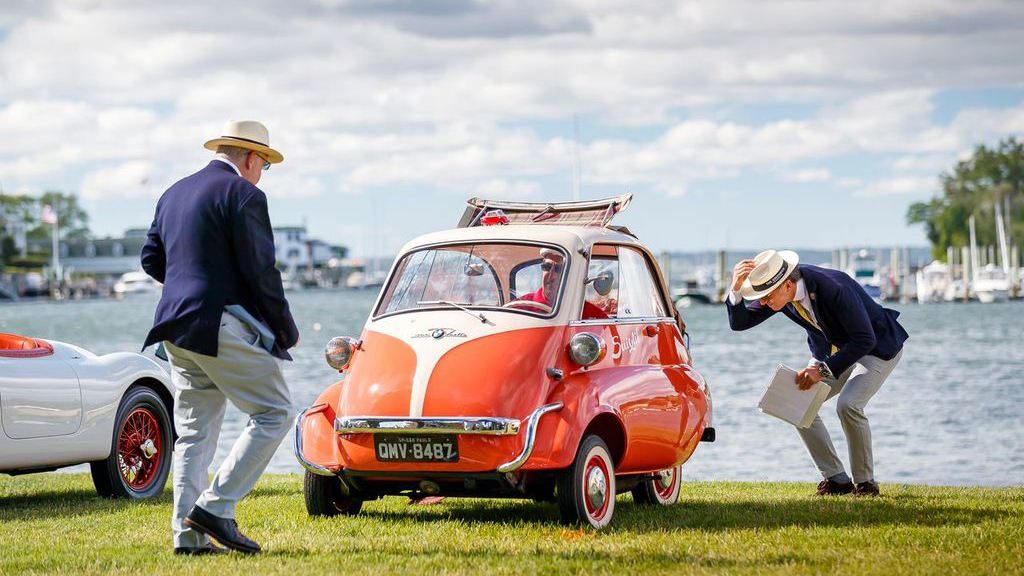
In the second instance, I recently exhibited a one-off Chrysler Ghia concept car in the Celebration of Chrysler class at a regional concours. The car arrived with an impressive record, having previously earned three awards at Pebble Beach, one at Amelia Island and another at Greenwich. Yet, despite that track record, it finished in Second Place behind a DeSoto Airflow whose restoration I considered below average at best. I later learned that both judges assigned to my class were close friends of the DeSoto’s owner, raising serious questions in my mind about the impartiality of the judging.
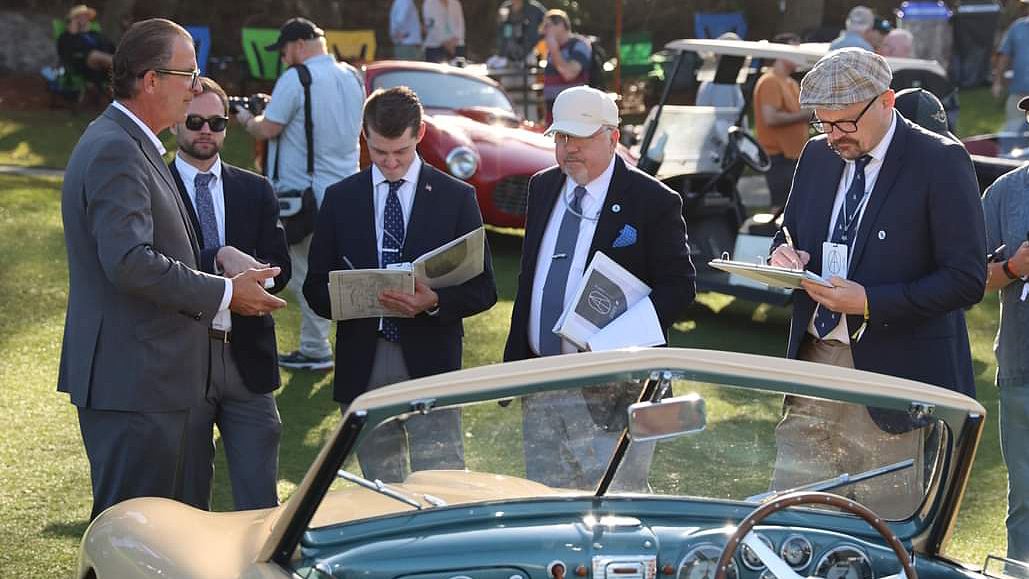
From a judge’s perspective, I’ve occasionally been assigned to evaluate classes in which I had little or no expertise, often without learning my assignment until I arrived at the event. To make matters worse, I was given no advance information about the vehicles I would be judging, leaving me little opportunity to prepare. Worse still, my fellow judges were equally unfamiliar with the vehicles we had been assigned to evaluate. This lack of familiarity immediately called the credibility of our decisions into question, even though we consulted other judges with expertise in the vehicles in our class to help us reach fair and informed conclusions. I’m certain the vehicle owners also recognized our lack of expertise, if only because we failed to ask the kinds of informed, insightful questions that knowledgeable judges would naturally raise about the cars in their class.

None of the situations I describe above were the fault of the individual judges. Rather, they underscore the critical role a concours chief judge plays in ensuring a fair, informed and credible judging process. A capable chief judge would have prevented these mistakes, all of which could have been avoided through proper planning and preparation well before the concours began. These experiences left me with a negative impression of the events, both as an exhibitor and as a judge, diminishing what should have been an enjoyable and rewarding experience for everyone involved. I’m certain that the occasions when I lacked sufficient knowledge of the cars I was judging had a similarly negative impact on the entrants. It’s important to remember that a disappointing experience, particularly one that could have been avoided, can leave a lasting impression on an owner and make them far less likely to return to that concours.

The role of chief judge at a Concours d’Elegance may be one of the most misunderstood positions in the event, particularly among those who have never served as judges. Even experienced concours judges may not fully appreciate the scope and complexity of the role unless they have served as chief judge themselves. Even concours organizers are often unaware of what a chief judge does and how that role can affect an entrant’s experience. Interestingly, there is no formal training program for aspiring chief judges, no established opportunity to shadow someone in the role and not even a written set of guidelines defining the position’s responsibilities and limitations. Having served as both a class judge and chief judge at concours events, I’d like to share what I’ve learned about the role of a chief judge, including the responsibilities the position entails and, perhaps more importantly, those it does not.
While this may seem obvious, the chief judge plays a far more significant role in the success of a concours than many people realize, overseeing numerous aspects that are essential to the event’s smooth operation. In most cases those responsibilities should include (and if I’m being honest, should always include) the following:
- Establish the judging system and methodology to be used throughout the concours.
- Select qualified head class judges and assemble judging teams with the expertise and experience necessary to fairly evaluate the vehicles in their assigned classes.
- Assign judges to the appropriate classes based on their expertise and familiarity with the vehicles they will be evaluating.
- Clearly communicate each judge’s responsibilities and expectations.
- Provide each judging team with a complete list of the vehicles assigned to its class, along with as much relevant information about each entrant as possible, several weeks before the concours.
- Oversee the selection of all award recipients, from individual class winners to Best of Show.
- Collaborate with the class judges to evaluate the leading contenders and reach a fair, informed consensus on the Best of Show winner.
- Collaborate with the special awards judges to evaluate eligible vehicles and determine the recipients of each special award.
- Ensure that every deserving vehicle receives proper consideration and that no worthy contender is overlooked during the awards selection process. Resolve any disputes and provide guidance to judging teams as needed to ensure fair, informed and consistent decisions in the selection of award winners.

Yes, this is a lot to do, and the job is not always fun. Adding to the considerable workload is the fact that a chief judge’s responsibilities begin months before the concours itself takes place, and the job requires a tremendous amount of organization. Somewhat ironically, a concours chief judge spends relatively little time actually examining the cars. However, when a judging decision raises questions or concerns, the chief judge must be prepared to personally evaluate the vehicles involved to ensure that the final result is fair, accurate and justified.
Equally important is understanding what falls outside the responsibilities of a concours chief judge:
- Judging an individual class. The chief judge should not serve as a class judge except under exceptional circumstances, such as unexpected absences or staffing shortages that leave the remaining judging teams overwhelmed.
- Making award decisions unilaterally. The chief judge should never independently determine Best of Show or individual class winners without consulting the appropriate lead judges and considering their evaluations.
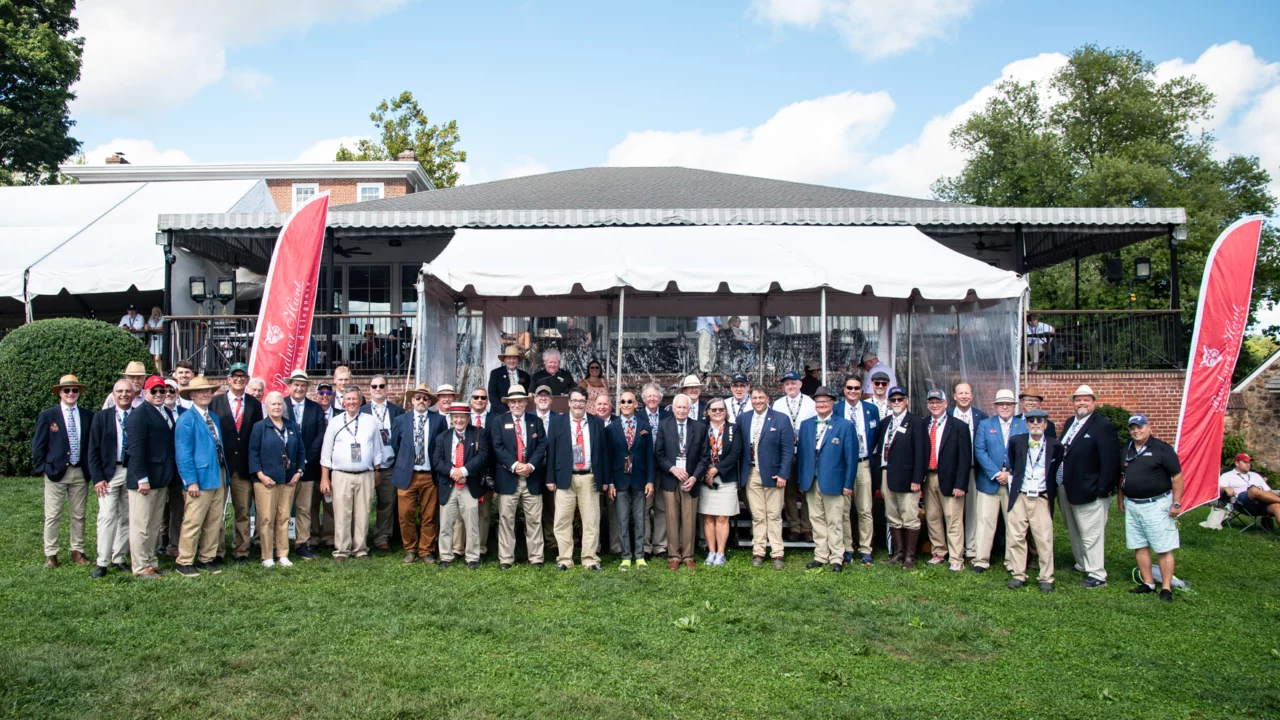
If these responsibilities sound less enjoyable than judging an individual class, you’re probably right. Serving as chief judge is an entirely different undertaking, but one that is critical to the success and credibility of a concours. With that in mind, I’d like to take a closer look at several of these responsibilities and explain what they actually entail in practice.
One of the chief judge’s most important responsibilities is selecting qualified judges and assigning them to classes that match their areas of expertise. This requires an extensive network of contacts throughout the collector car community and a thorough understanding of each judge’s knowledge and experience. Matching the right judges with the right classes is fundamental to a fair and credible concours, yet it is also an area where mistakes are sometimes made. A chief judge’s responsibility is not to give judges the opportunity to try something new, but to ensure that each class is assigned the most qualified people available. Doing that effectively requires knowing your judges, understanding their areas of expertise and assigning them to the classes where their knowledge will be most valuable. Failing to assign judges to the classes they know best is a disservice to the entrants. Remember, the exhibitors are the most important people at any concours. Without them and the vehicles they bring, there would be no event. Fortunately, avoiding this problem is relatively simple. Many concours already ask prospective judges to identify their areas of expertise when applying. That information should be used to place judges in the classes where their knowledge and experience will be most valuable.
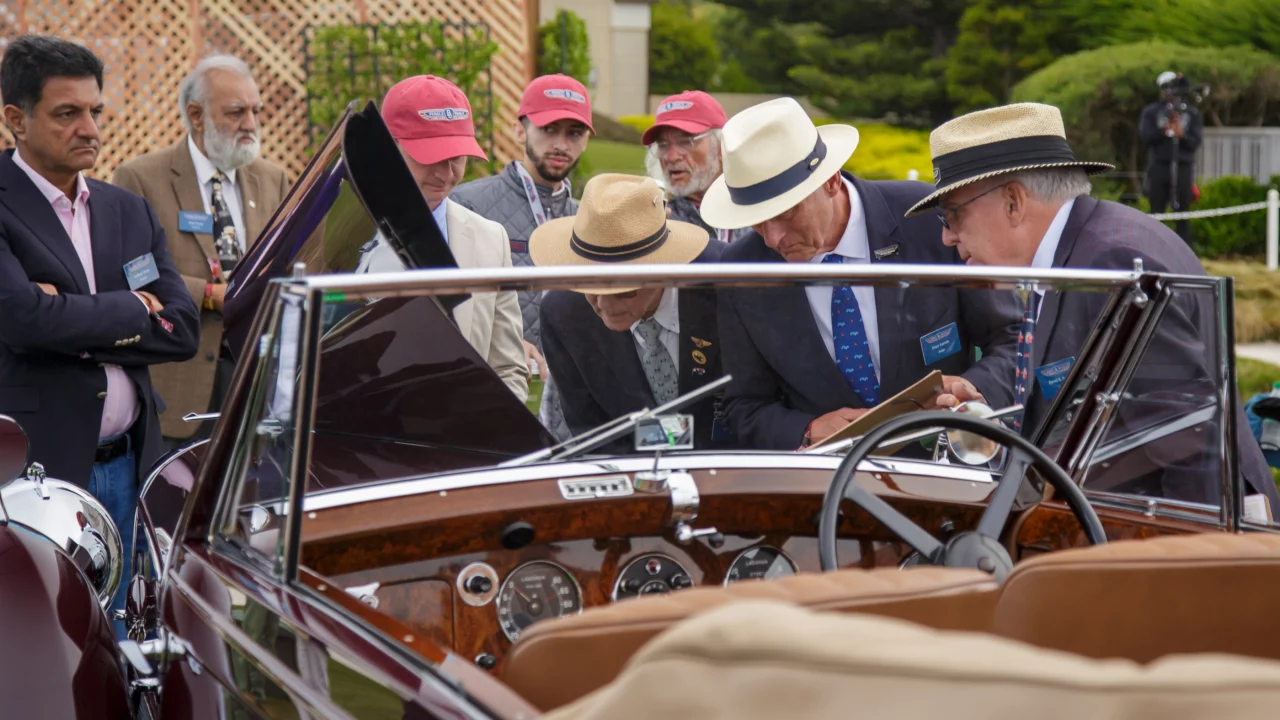
Almost as important is notifying each judging team well in advance about the vehicles assigned to their class. No matter how knowledgeable a judge may be, no one knows everything about every car, regardless of what they might tell you. Providing this information ahead of time gives judges an opportunity to research the vehicles they will be evaluating and arrive better prepared to do their jobs. Just as importantly, that preparation demonstrates to entrants that the judges understand their vehicles and take their responsibilities seriously. It helps build confidence in the judging process and makes owners feel that the time, effort and expense of bringing their cars to the concours have been worthwhile.
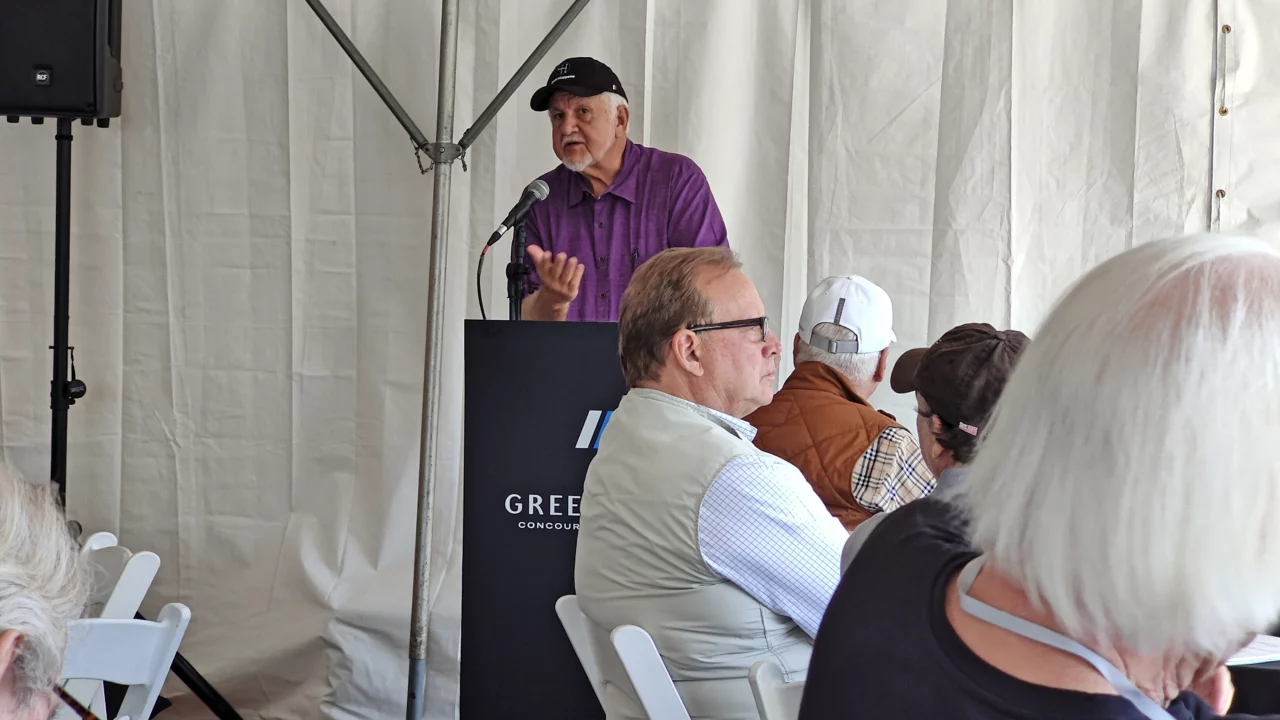
Another important responsibility of the chief judge is to address potential conflicts of interest during the judges’ meeting. Judges should be asked to disclose any personal or professional relationships with entrants that might raise questions about their impartiality. For example, a judge who previously sold an entrant the very car they are evaluating may have a conflict of interest. The same could apply to a judge whose restoration company worked on a vehicle in their assigned class. Neither situation automatically constitutes a conflict, but both deserve to be disclosed and considered before judging begins. By encouraging judges to be upfront about these relationships, the chief judge can address potential concerns before they become problems and help protect the credibility of both the judging process and the concours itself.

Finally, the chief judge is responsible for ensuring that all judging results are delivered on time to all those involved. Failing to do so can delay the awards presentation and throw the entire event off schedule, something nobody appreciates. Just as importantly, the emcee needs sufficient time to review the results and prepare what they will say about each winning vehicle during the awards ceremony. Rushing that process does a disservice not only to the emcee, but also to the owners receiving awards and the spectators who have come to enjoy the presentation. A well-run concours depends on everyone doing their job on time, and the chief judge plays a critical role in making that happen.
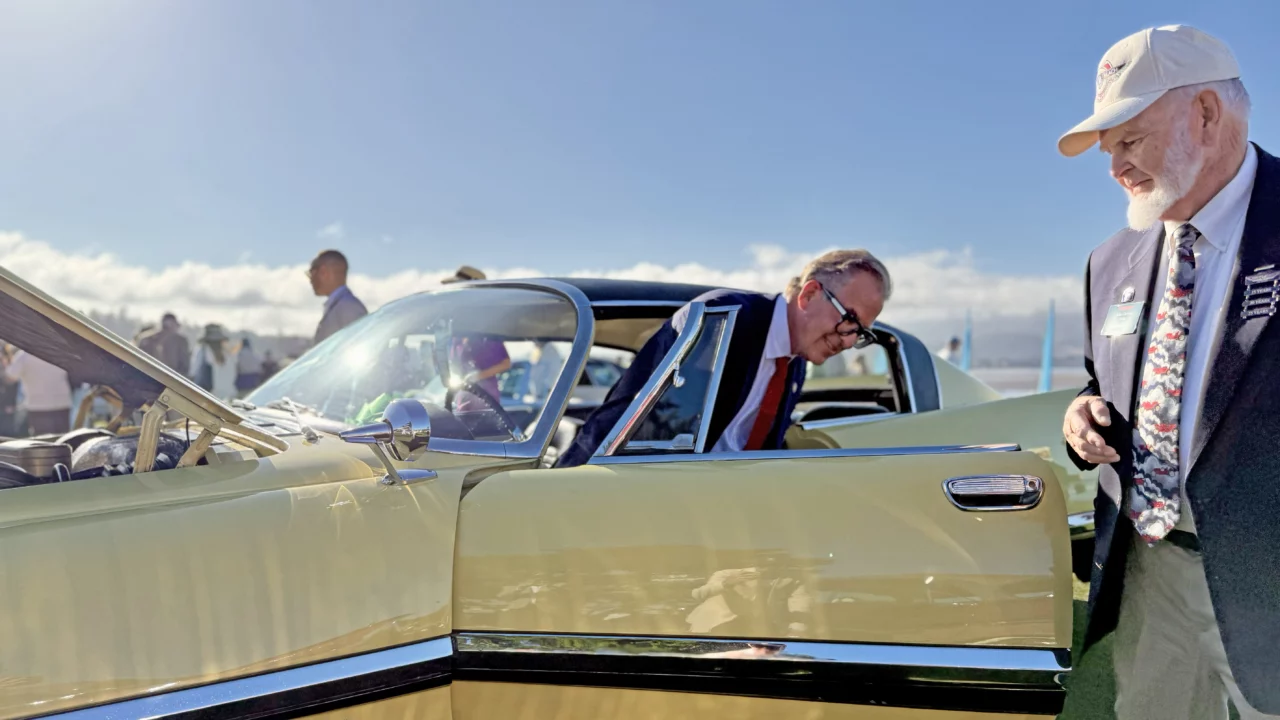
Yes, this is a great deal of responsibility, which is why chief judges often have a team assisting them with these duties. However, one responsibility that should never be delegated without careful oversight is the assignment of judges to their respective classes. While others on the concours team may assist with this process, the chief judge must remain directly involved and ensure that assignments are based on each judge’s knowledge and expertise. When that oversight is lacking, mistakes can easily be made, potentially compromising the quality of the judging and the experience of the entrants.
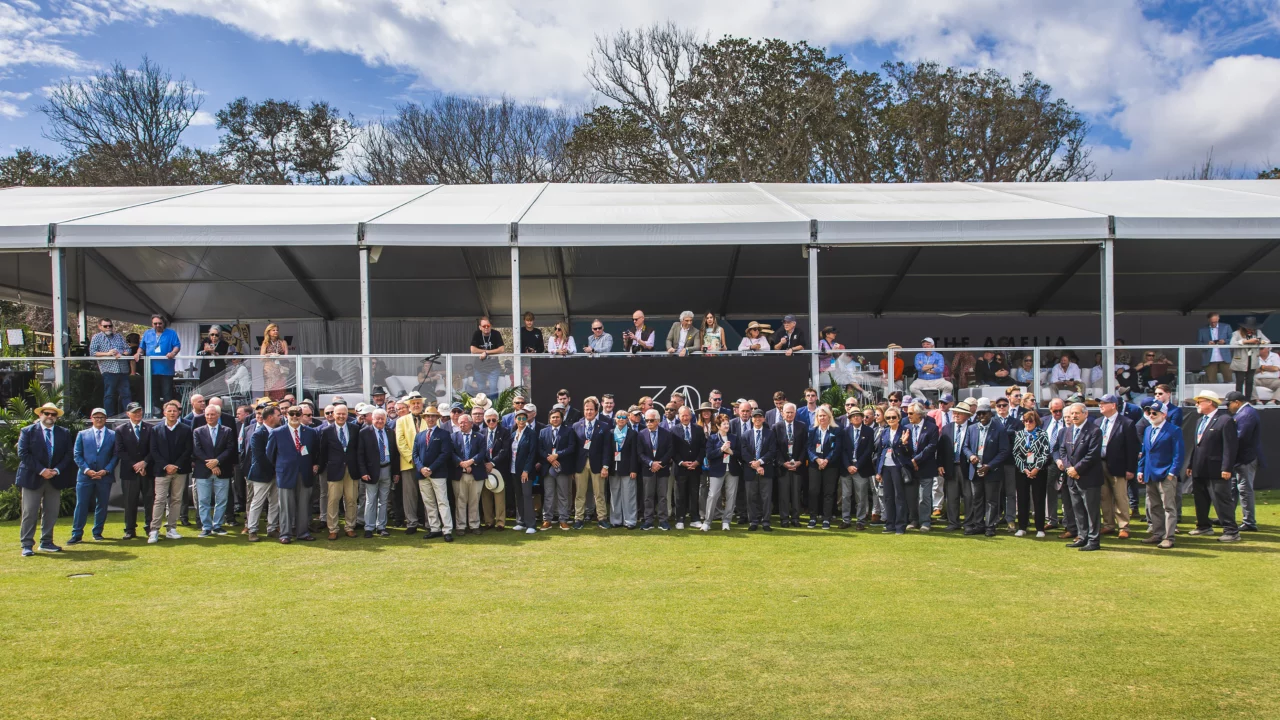
As with my previous article on concours judging, I hope this piece provides a better understanding of the many responsibilities involved in being a chief judge and the important role they play in ensuring a successful concours. Selecting a chief judge is not simply a matter of finding someone who has spent years judging at concours events. The position also requires a thorough understanding of how a concours operates, strong organizational skills and an extensive network of knowledgeable judges who can be called upon to ensure that the right people are assigned to the right classes. While is not a job for everyone, it can certainly be quite rewarding. Just about every head judge I have ever worked with — and the list is long — has done the job well. I owe a special thanks to chief judges Nigel Matthews, Ken Gross, Paul Sable, John Carlsen, John Lawless, Chris Kramer, Bill Scheffler, and Lilly Pray. Each has provided an example of how the job should be done, and I have learned a great deal from watching them work. Their knowledge, leadership and approach to judging have helped shape how I carry out my own responsibilities whenever I serve as a chief judge. These individuals, along with many others I have had the privilege of working with and learning from, have helped make serving as a chief judge one of the most rewarding experiences of my years in the collector car hobby.