If there’s something I’ve learned from writing about old cars, it’s that there’s the trap of assumptions. You know the cliché about assuming things, right? Decorum doesn’t allow me to post it here, but suffice it to say that deductive reasoning can easily lead to incorrect assumptions. Our Pick of the Day bucks deductive reasoning yet gives you a bit of trivia to amaze your friends and family. This 289 Hi-Po-powered 1967 Ford Mustang GT 2+2 is listed for sale on ClassicCars.com by a private seller in Laval, Quebec, Canada.
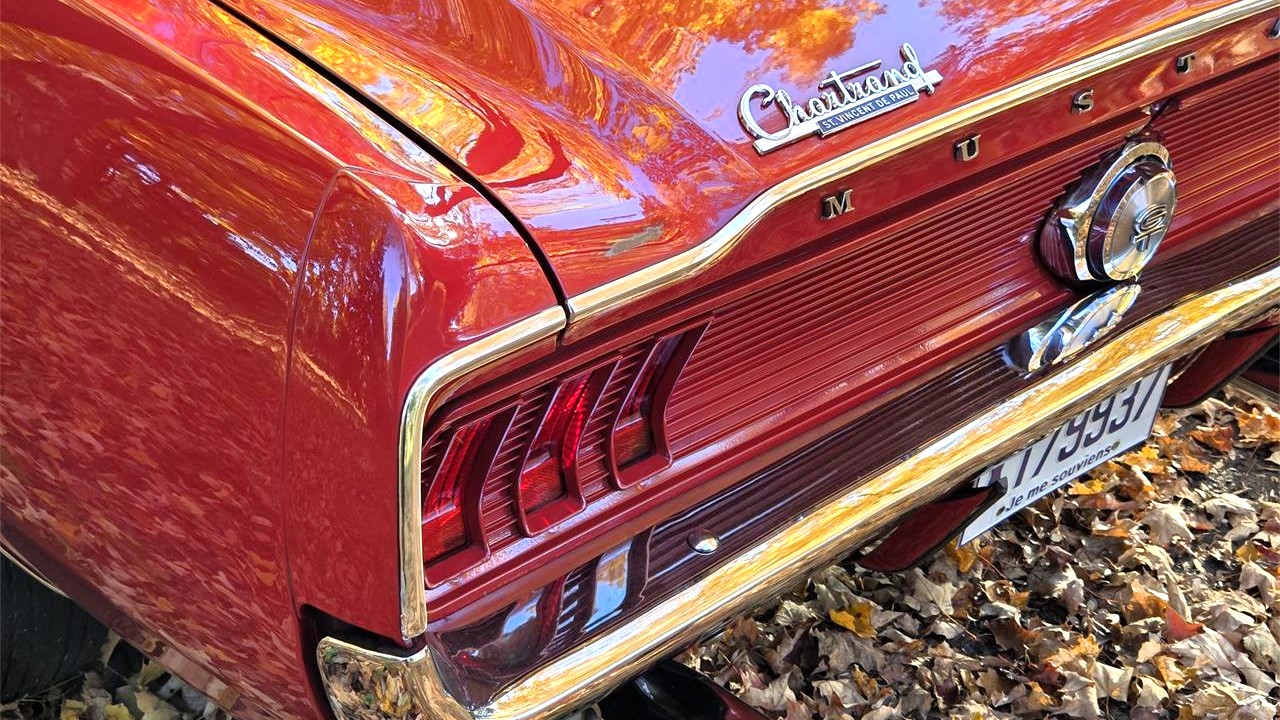
Of course, the 2+2 handle reflects how Ford’s marketing department branded the Mustang fastback. With the 1967 redesign, the “fast” part of the design blended into the trunk lid and tail; compare this with the 1965-66 design where the roof blended with the body before the trunk lid. The swoopier, broader styling was like attending the first day of 8th grade after the summer break: The growth spurt was there, yet your classmates were still recognizable. With a stronger stance, properly integrated styling (for example, the taillights aren’t tacked on like in 1965-66), and a much more refined interior, the Mustang looked as if it was now properly fulfilled (or properly filled out, if you will).
The 289 Hi-Po, which was first introduced in 1963 for the Fairlane and first appeared for the Mustang in the summer of ’64, was making its final appearance for 1967. The hallowed “K-code” V-8 was a strong runner and the perfect engine for the sporty compact like the Mustang, but the American market was evolving — after all, if the GTO was so hot, why couldn’t the Mustang compete in the same market? As a result, Ford engineers did their thing to allow the 390ci V-8 to fit (tightly) between the shock towers. It was rated at 320 horsepower, which was much more than the Hi-Po’s 271 horsepower … and for less money: $158.08 versus $327.92. Both engines had several mandatory additions that inflated the prices, but the difference remained quite profound.
Though the Hi-Po was more popular on 1965-66 Mustangs with the GT package than without, Ford required the GT package if the K-code 289 was desired. Yes, using deductive reasoning can make sense, but it will get you in trouble when discussing 1967 Mustangs. By contrast, the 390 didn’t require the GT package.
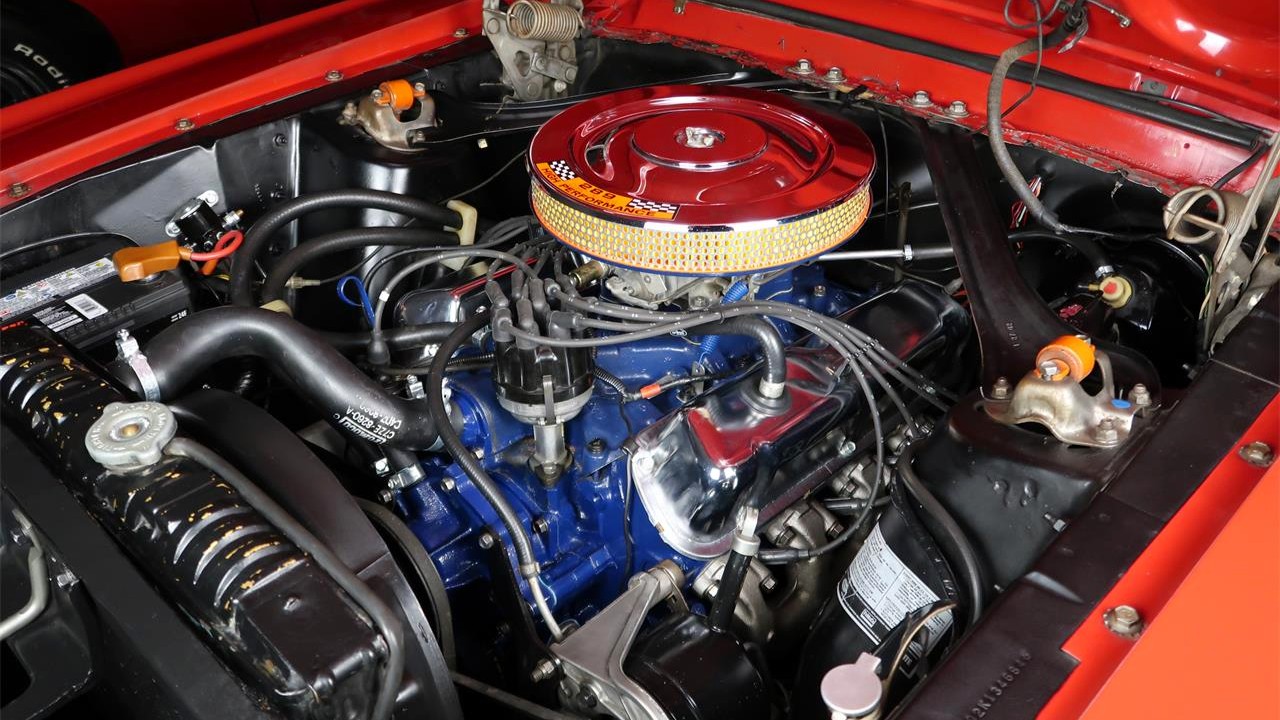
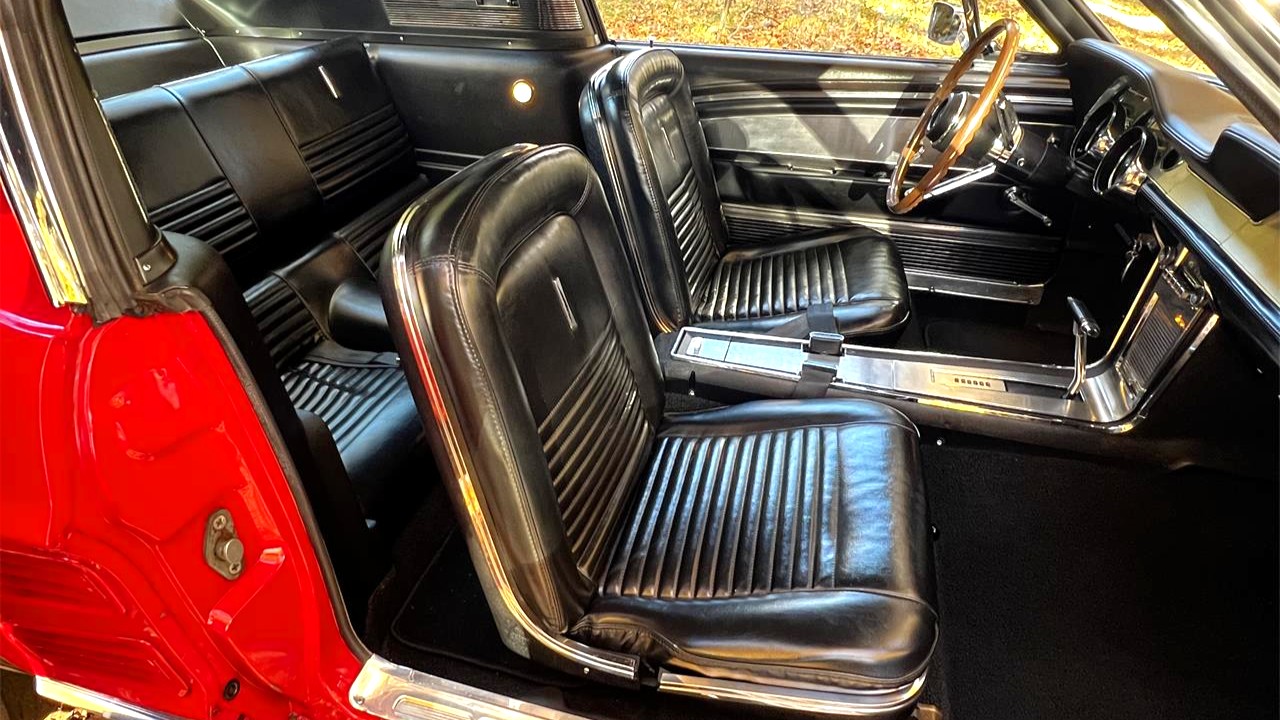
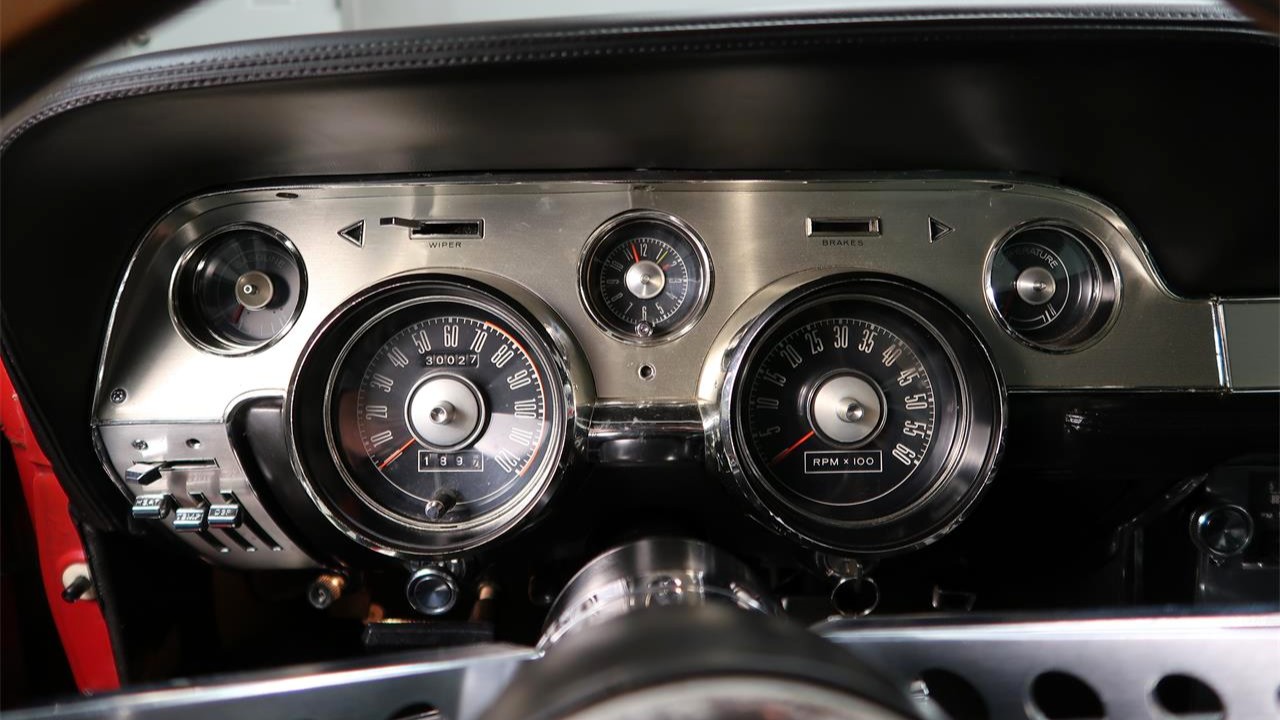
Only 489 Mustangs were built with the K-code 289 in 1967, which was much fewer than Shelby GT350s of the same year. Among Mustang GT fastbacks, only 319 were built. Another thing easy to assume — there’s that word again — is that all Hi-Po Mustangs used a four-speed manual, but an automatic was introduced for 1966. This 289 Hi-Po-powered 1967 Ford Mustang GT 2+2 is one of 114 built with an automatic, but it has much more than rarity going for it: It’s Candyapple Red, has the Black Décor bucket seats, and is loaded with options. They’re the right options, no less: Deluxe steering wheel, Sport Deck rear seat, AM/FM radio, Exterior Décor Group, Interior Décor Group, rear grille, tachometer, Styled Steel wheels, and more.
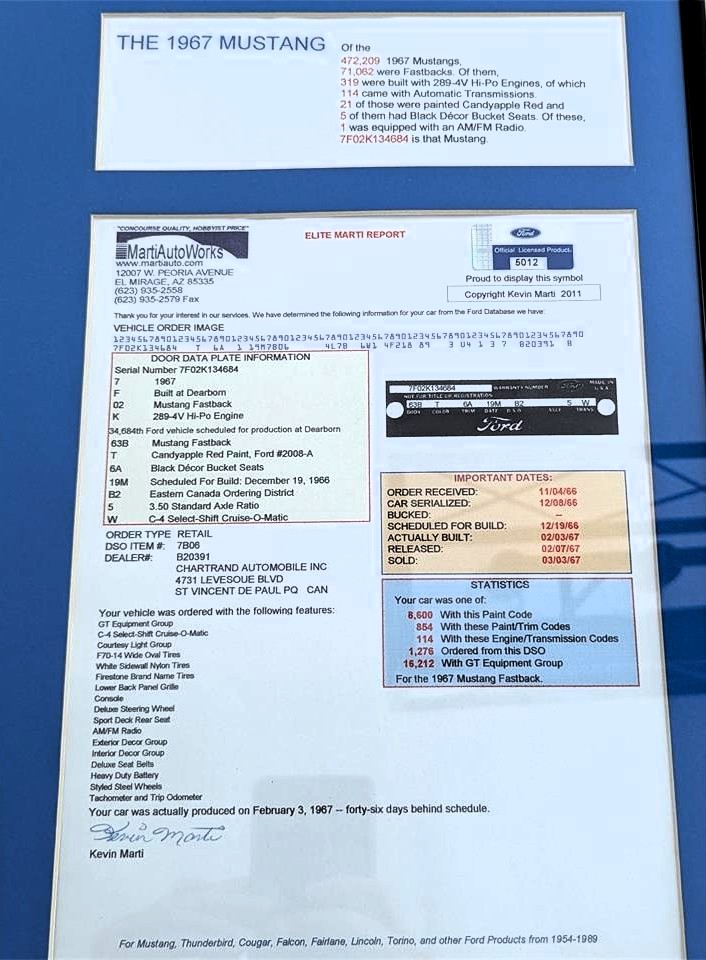
For you Canadians, this Mustang was originally sold new in Quebec. Très bien? There’s more: This Mustang is a survivor, featuring 85 percent of its original paint, with the interior and undercarriage remaining untouched as well.
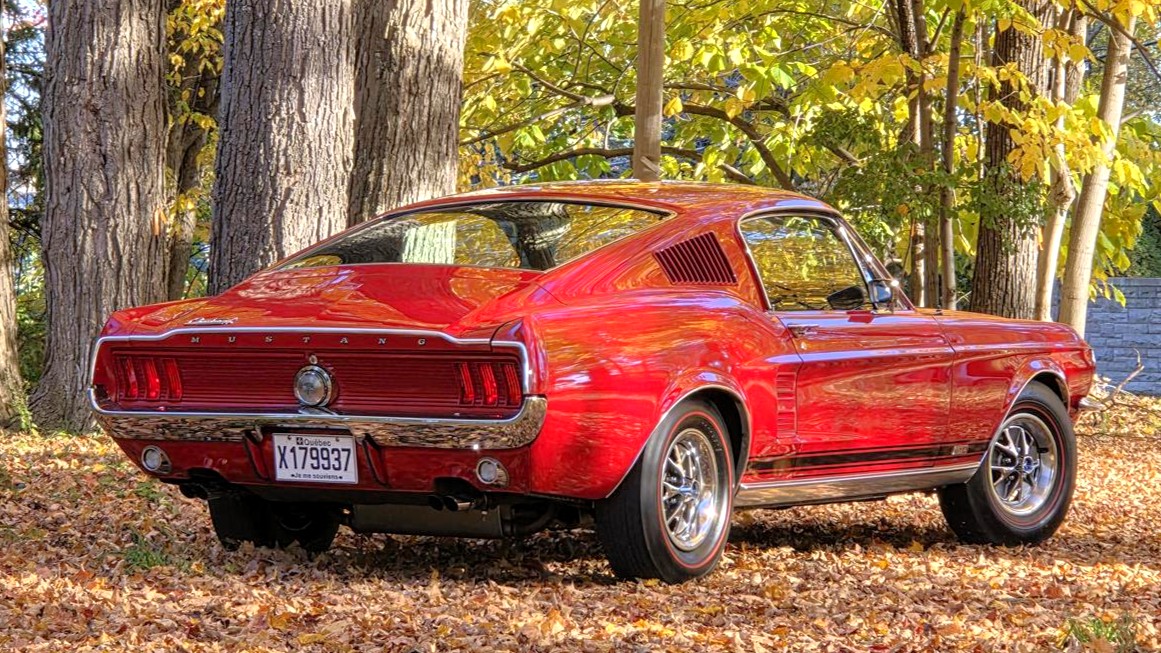
With a resume like that, it would be easy to assume the seller is demanding a pretty penny. In this case, your assumption would be correct. If you’re a 1967 Mustang fan and in love with the idea of bringing one of the best ‘67s to your stable, then you’ll have to pony up $169,900.
Click here to view this Pick of the Day on ClassicCars.com