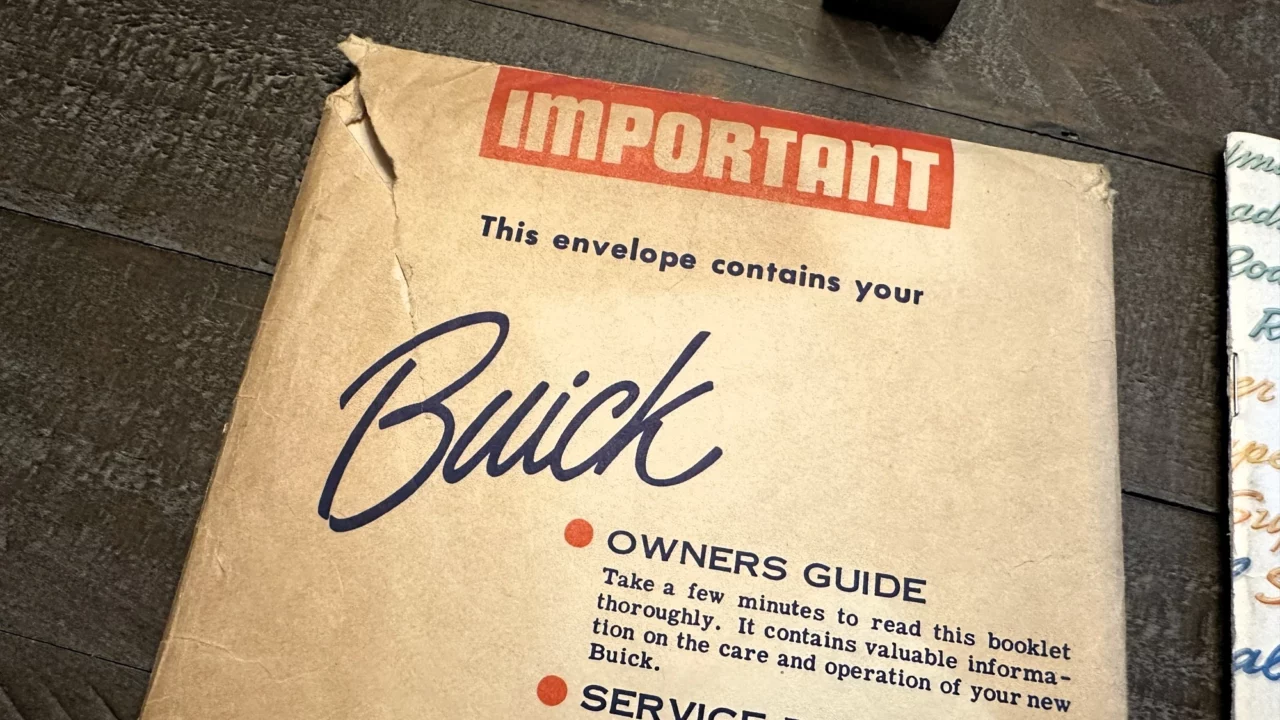
I’ve always been as enamored with automobile literature as much as I love classic cars themselves. In fact, I should probably change (and then forget) my eBay password so I can stop compulsively looking for stuff on there. One of the items I came across recently was an envelope containing a handful of pamphlets/manuals to accompany a 1950 Buick.
You might recall another story I wrote about owner’s manuals, calling attention to the fact that most of the documentation that accompanies new vehicles is now delivered in digital formats.
The first paragraph of the Buick Owner Guide said: “This book is compiled by the Buick Engineering and Service Departments to assist you in obtaining the utmost pleasure and satisfaction from your car. It is urged that the instructions and recommendations be closely followed.”
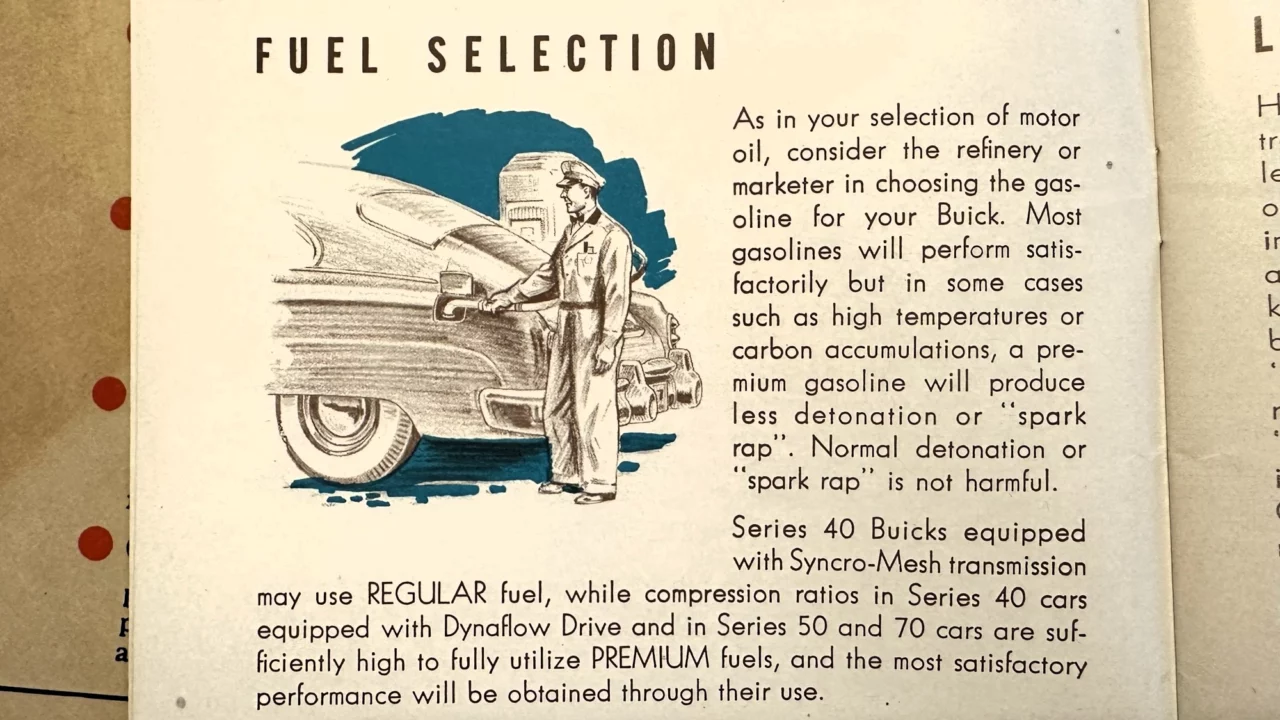
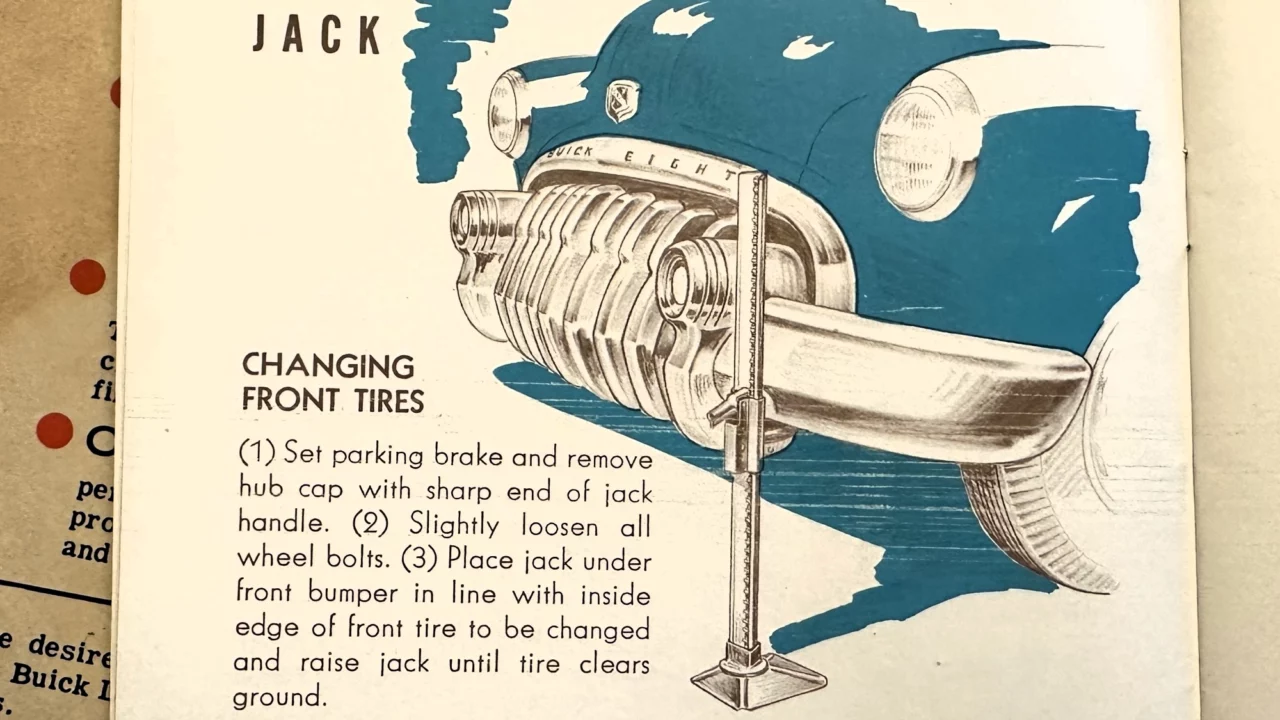
That booklet contained 32 pages of information, with a few things standing out to me.
- The car’s break-in period was the first 1,000 miles and, during that period, drivers were instructed to limit speeds to 50 mph for the first 500 miles and 70 mph for the second 500.
- The manual talked about the vacuum-operated wipers, as this was before the dawn of electric wipers.
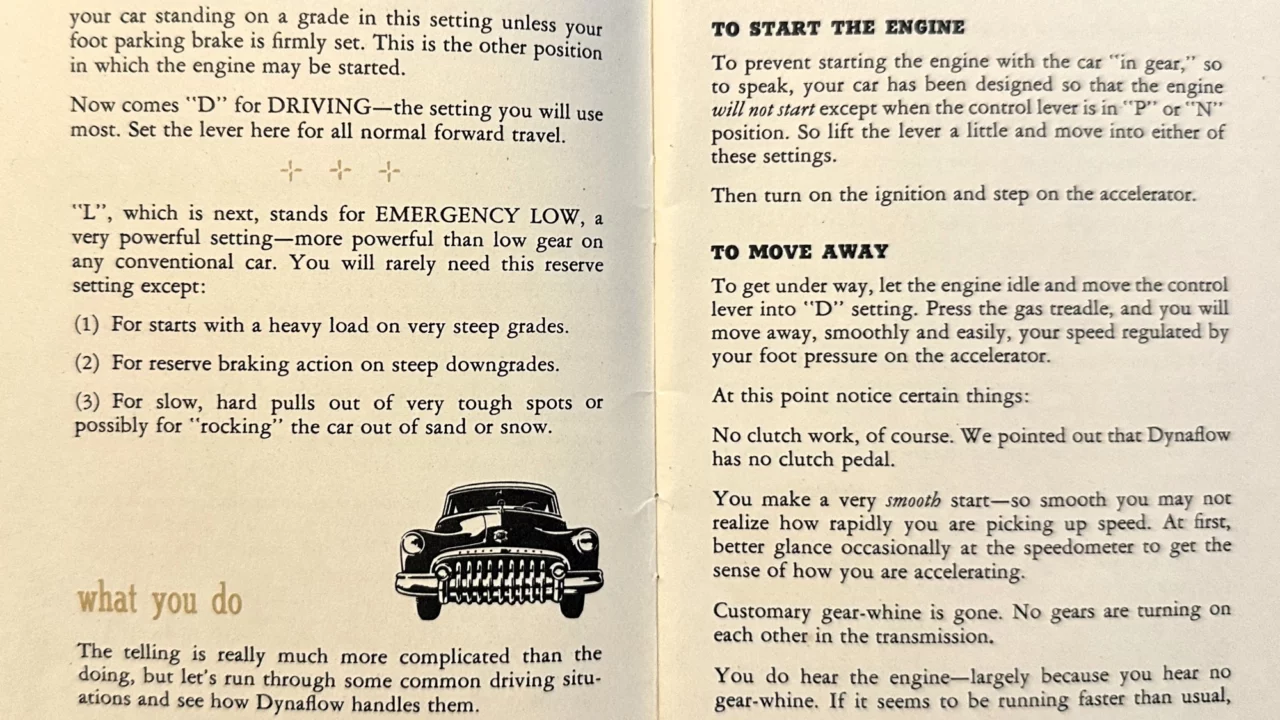
- Dynaflow Drive, Buick’s then-relatively-new automatic transmission, received a lot of attention. The manual discussed each of the five positions (P, N, D, L, and R). It also had a paragraph specifically dedicated to how to push-start the car in the event of battery or starter failure.
- The dash-mounted electric clock came with specific initial winding instructions.
- There were instructions for tuning the Sonomatic radio to five desired stations.
- The list went on and on, with details about tires, turn signals, cooling system, convertible top operation, clutch adjustment, battery, fuses, specifications, and general maintenance.
One pamphlet contained information on the Dynaflow automatic transmission. Keep in mind, most cars through the 1940s and well into the ‘50s had manual transmissions, so people needed a little help to understand the simplicity of letting an automatic do most of the work.
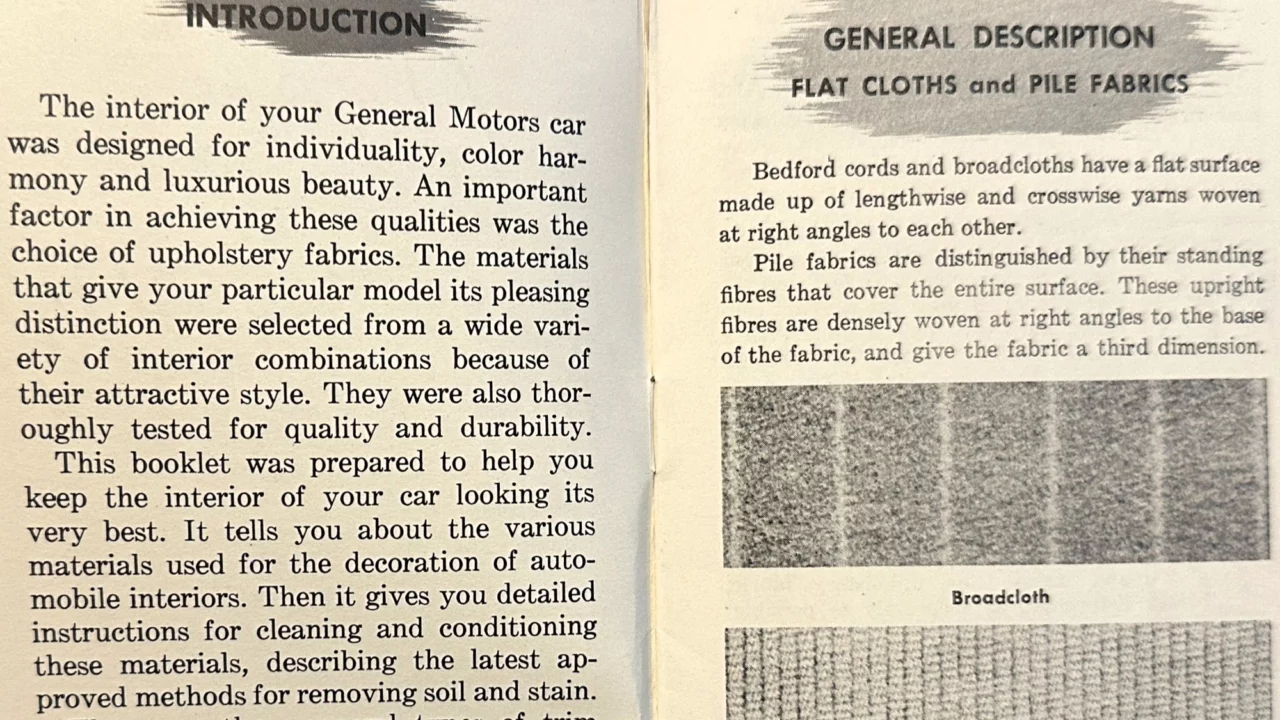
Another booklet contained cleaning instructions for the interior, including protocol for three types of upholstery: broadcloth, Bedford cord, and pile fabric.
The next booklet was all about Buick’s “Venti-Heater” climate-control system called the Weather Warden. There were a number of steps needed in order to optimize cabin temperature. Notably, engineers recommended almost always driving with the front “wing” windows slightly open for ventilation.
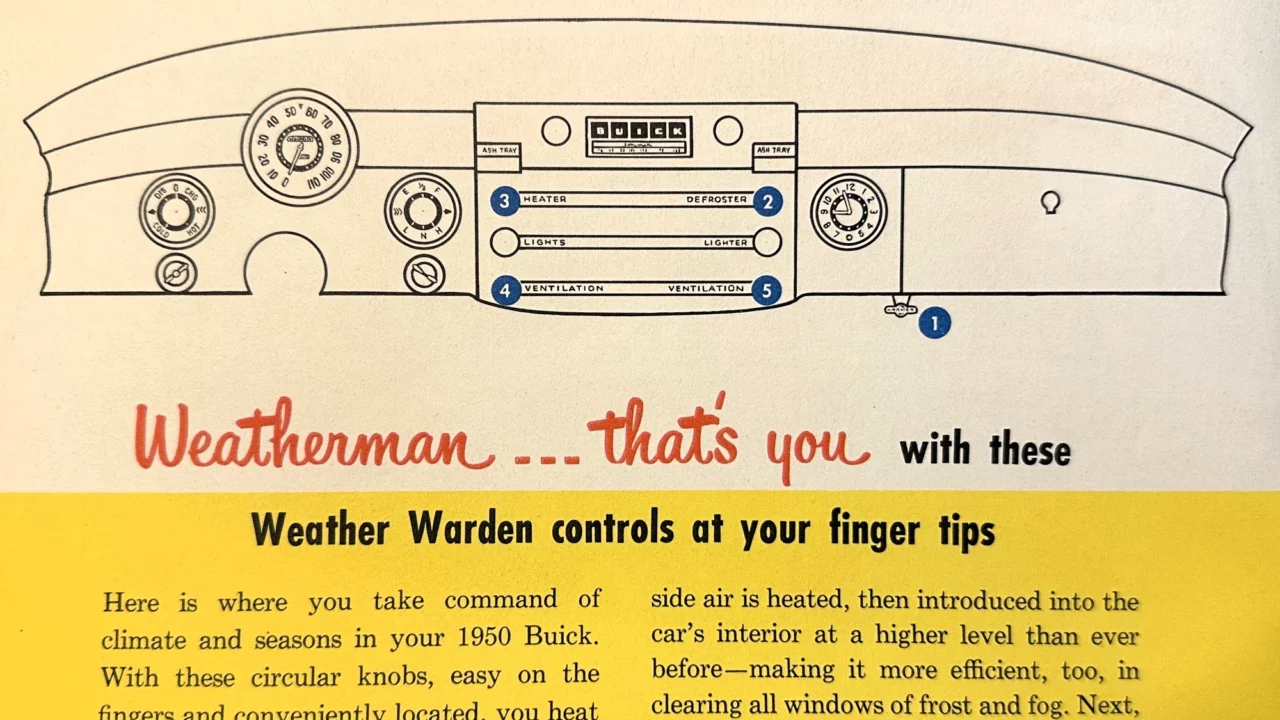
Interestingly enough, no mention was made of air conditioning, so I’m likely to believe it wasn’t even offered.
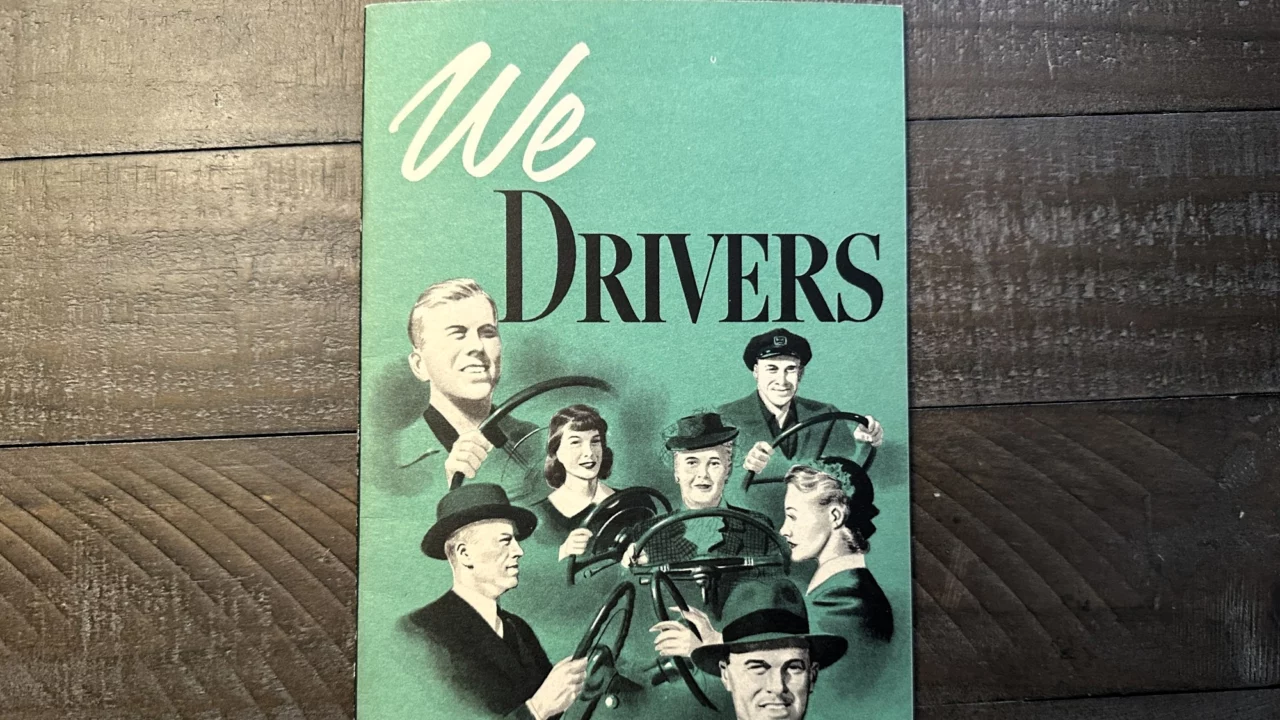
Lastly, the “We Drivers” booklet served as a crash-course (pun fully intended) on driving fundamentals. It contained 11 sections.
- Curves and Turns
- Night Driving
- Mist and Fog
- Our Brakes
- Driving on Hills
- Power and Speed
- Slippery Weather
- City Traffic
- Parking
- Signs and Signals
- Automatic Transmissions
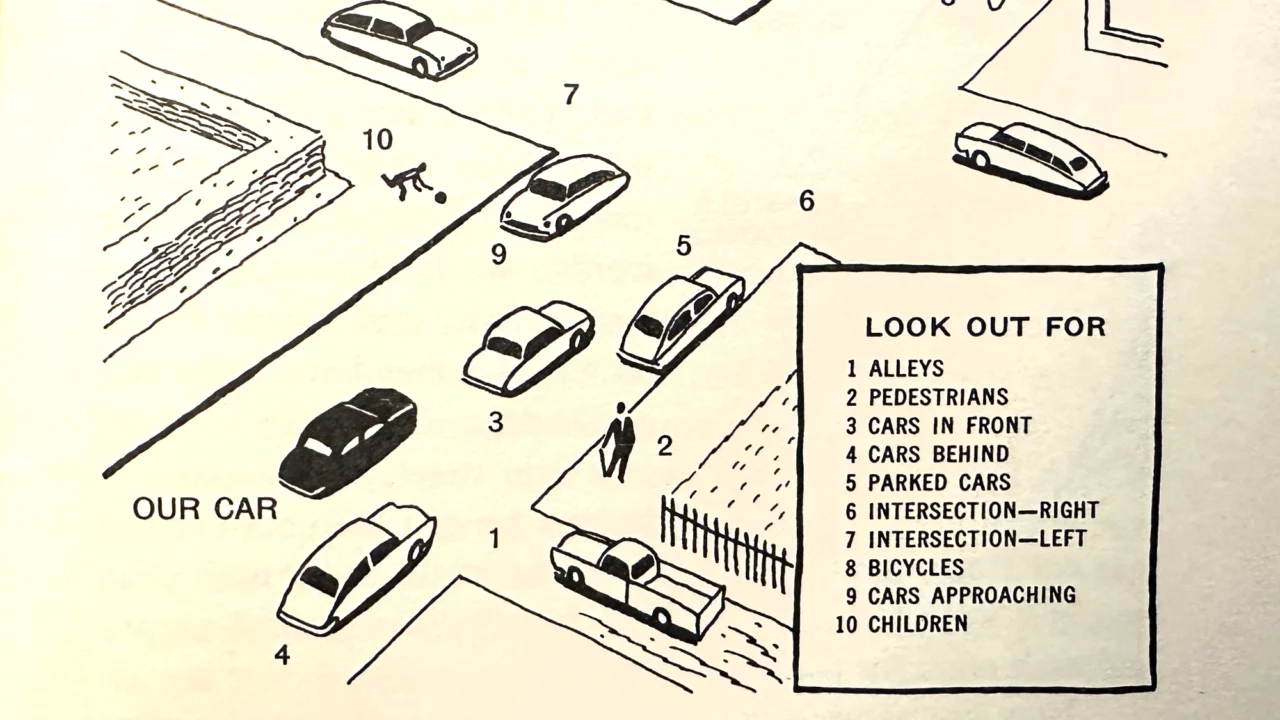
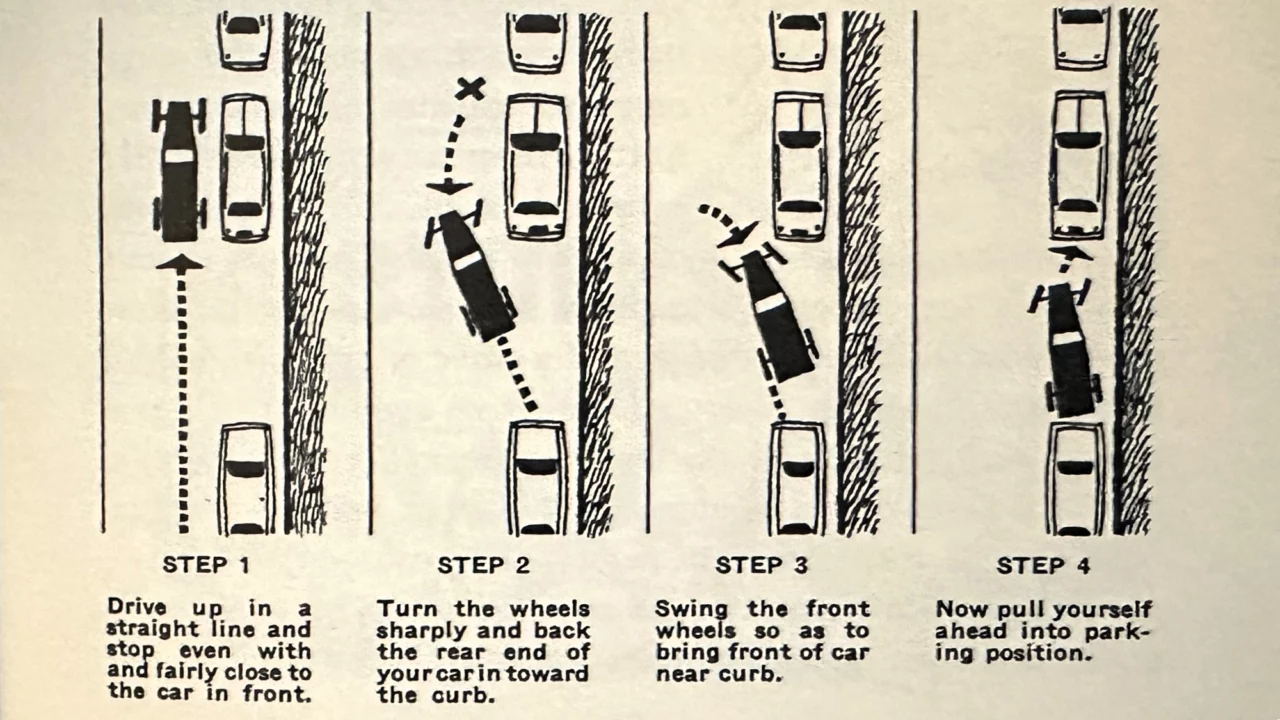
There were even diagrams on things like how to parallel park. I think, even 76 years later, a lot of people could benefit from reading this material!