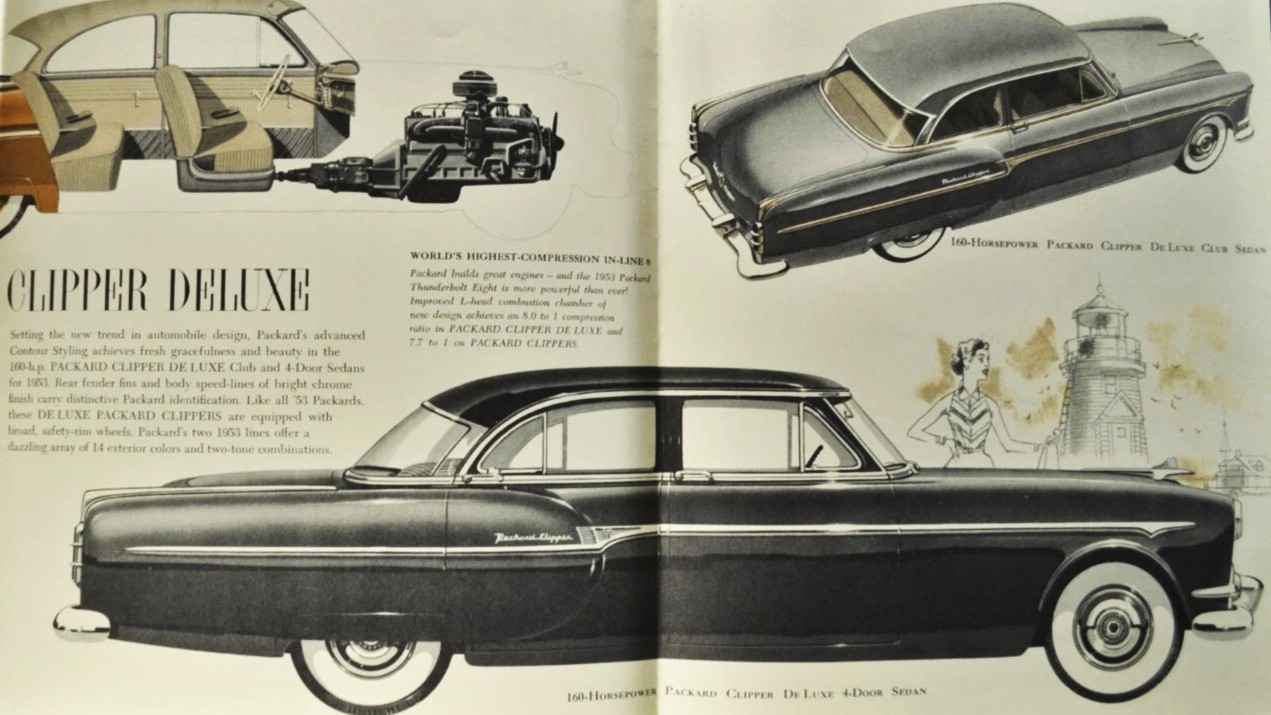
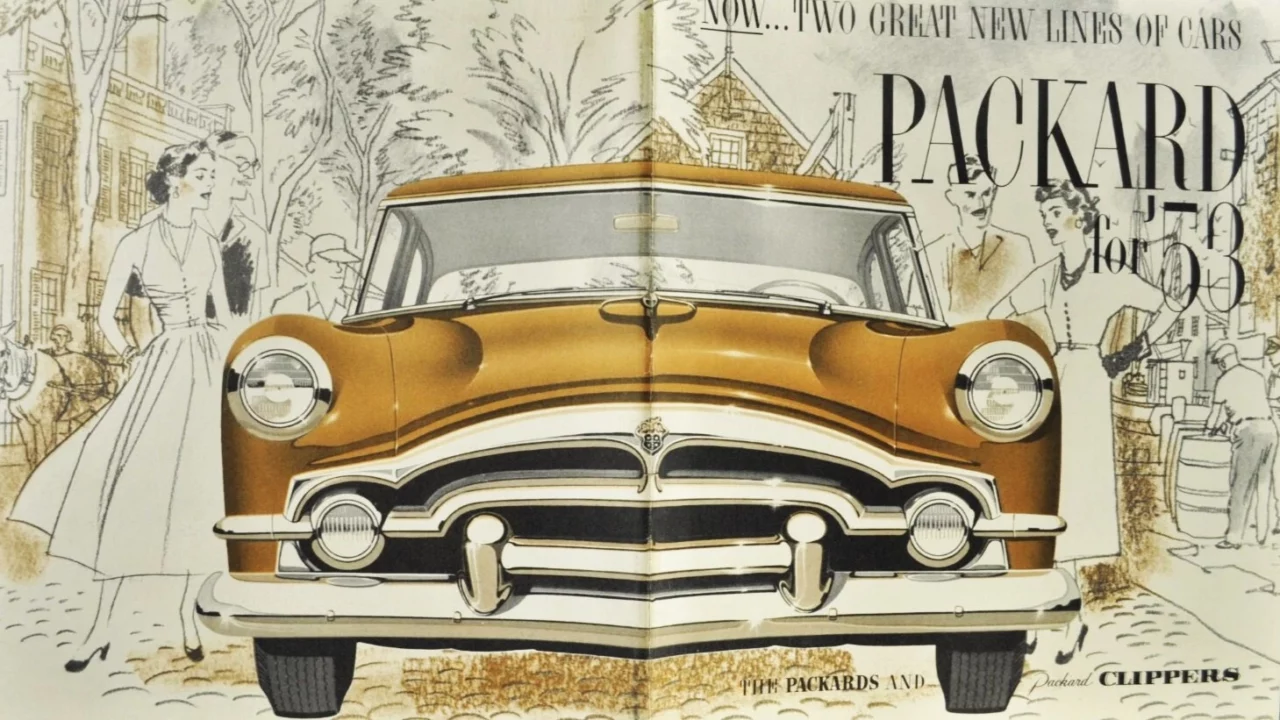
Sixty years ago today, on June 13, 1966, the United States established the “Miranda rights,” which require police officers to advise suspects of the right against self-incrimination and the right to an attorney. A 1953 Packard sedan was a key figure in the groundbreaking legal change.
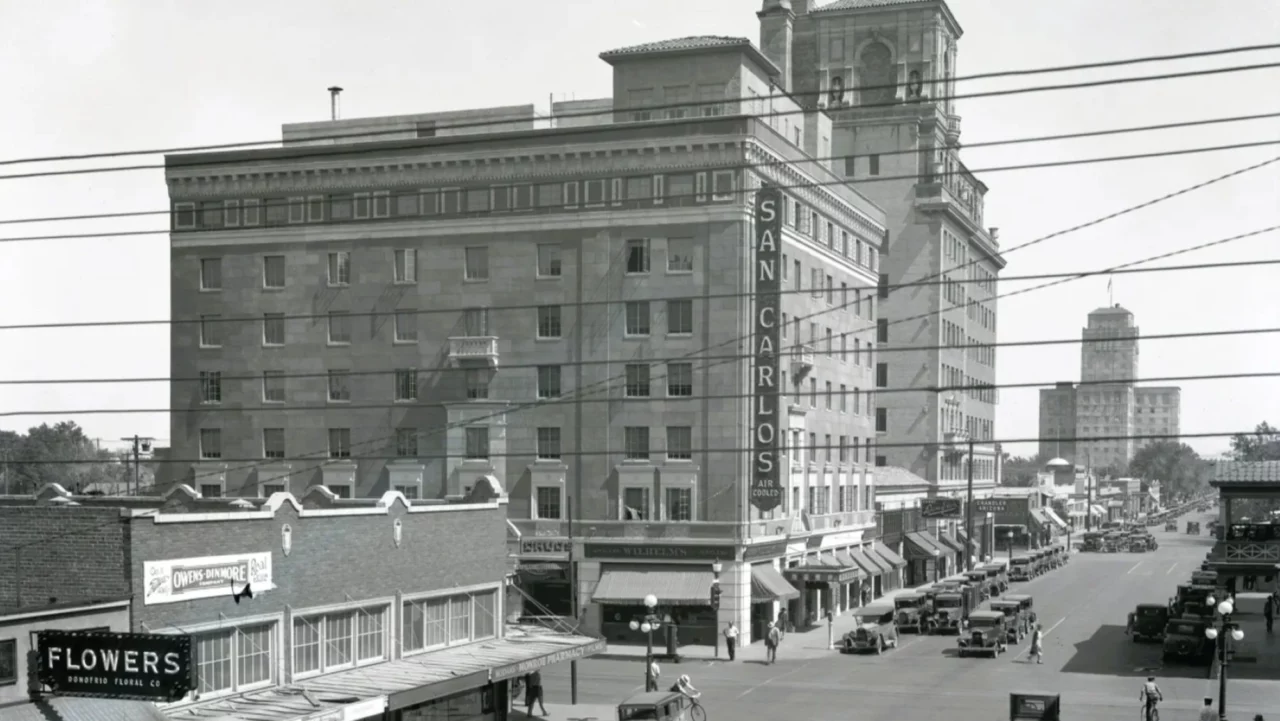
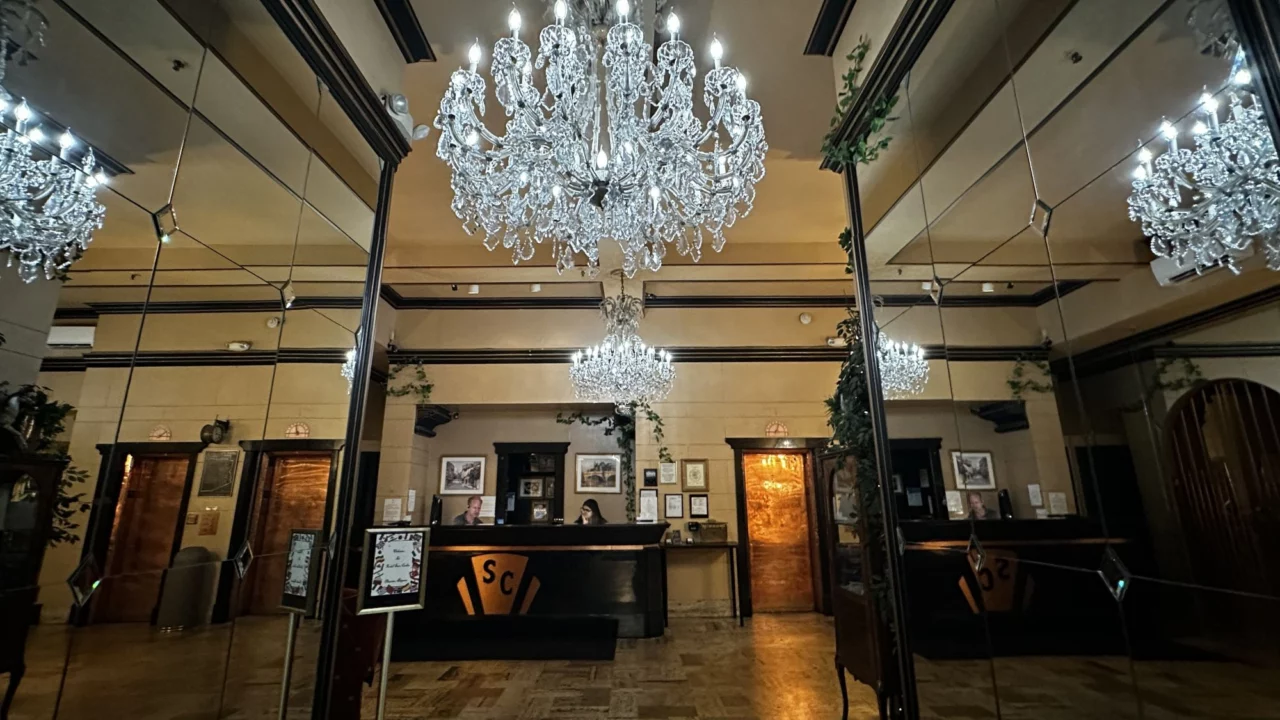
I learned about this while staying overnight at the historic Hotel San Carlos in downtown Phoenix. When it opened in March of 1928, it was one of the most luxurious hotels in the Southwest region, offering 144 rooms with water-cooled air conditioning, a smoking lounge, third-floor pool deck, and rooftop penthouse.
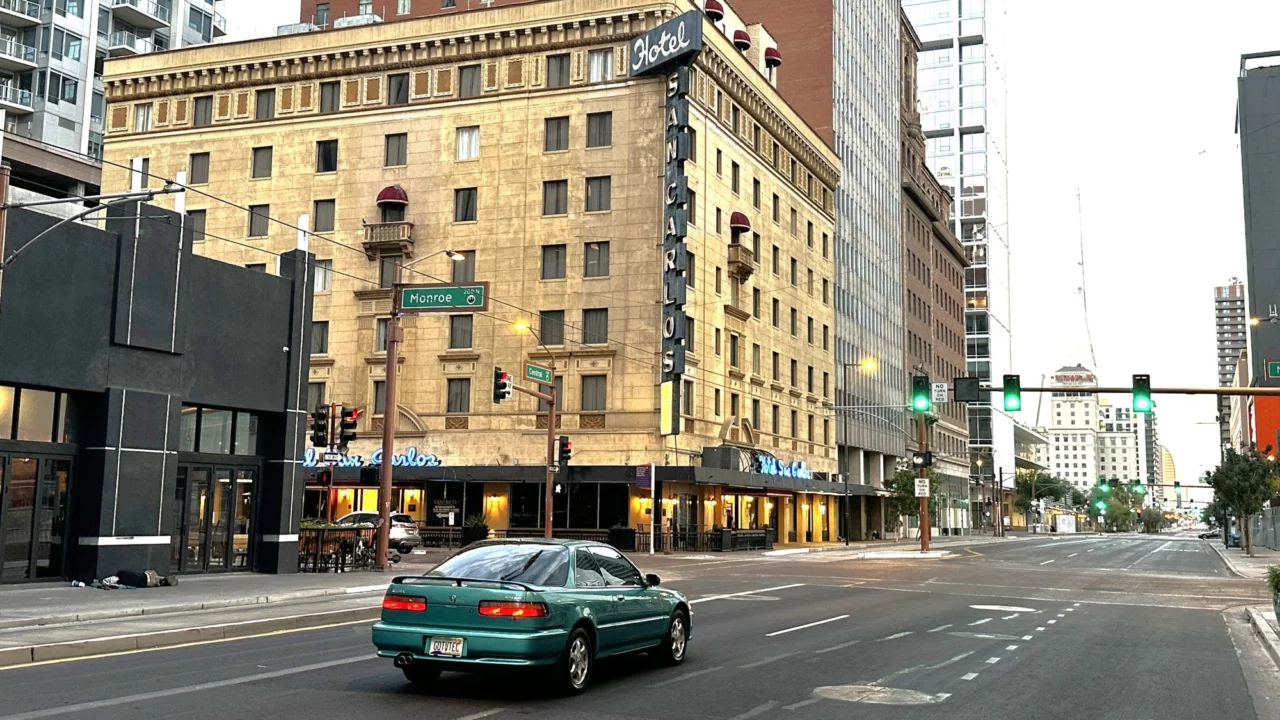
Today, the hotel looks just about the same, while much of the surrounding neighborhood has changed. Each of the hotel’s floors contains historical photos of downtown Phoenix, including those with film and celebrity provenance. (And yes, that’s my Jay Leno-signed 1992 Integra!)
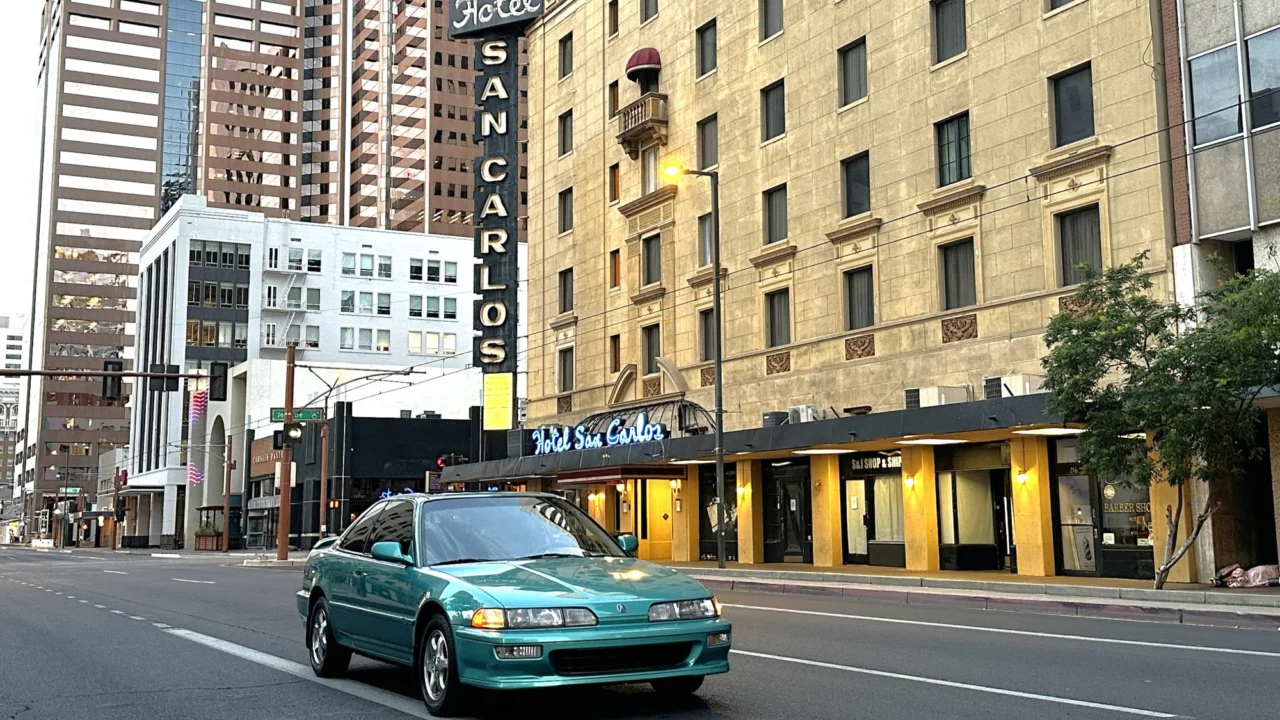
Hotel San Carlos was featured in parts of the 1960 Alfred Hitchcock movie “Psycho,” and according to legend, it has been haunted ever since a young girl leapt off the roof just two months after the place opened.
One of the hallway displays had to do with Miranda rights — here’s what I learned:
The chain of events all started on March 3, 1963, when Ernesto Miranda abducted an 18-year-old girl just outside a theater in downtown Phoenix. She was raped and later dropped off near her home. The victim was able to provide a high-level description of the car that included its exterior and interior colors, a partial license plate number, and the smell of turpentine inside.
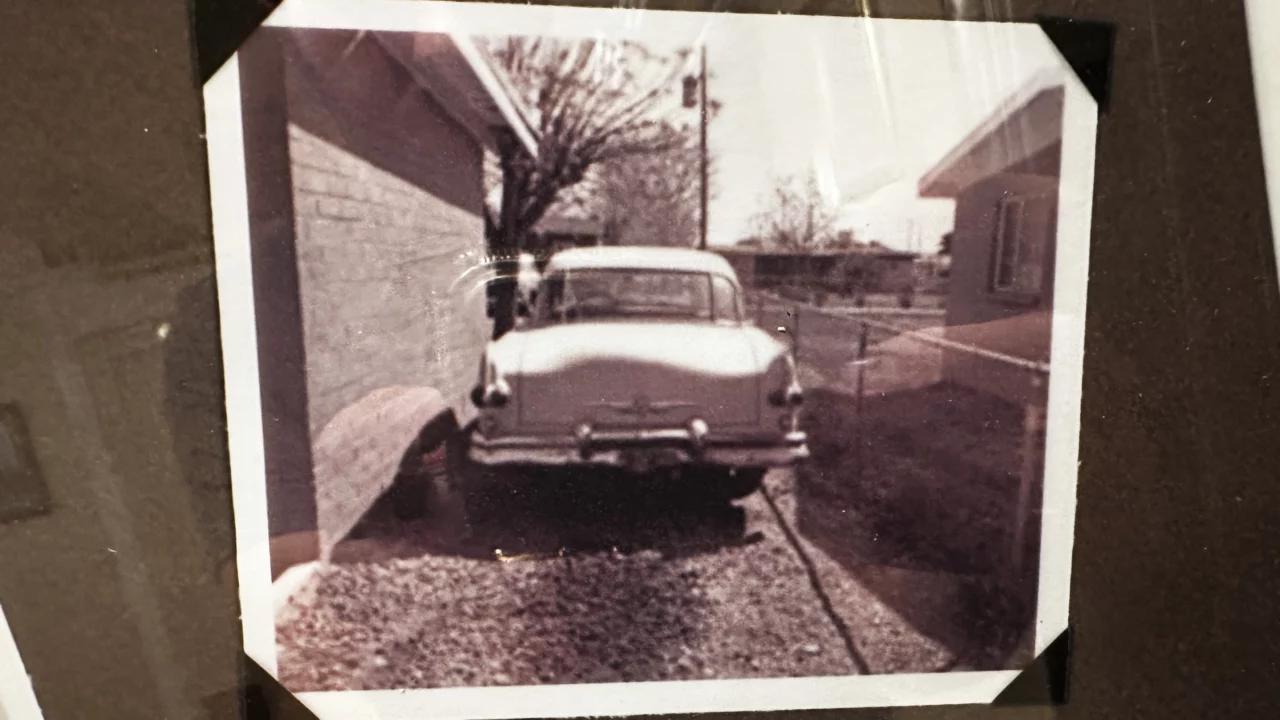
About a week after the attack, the victim’s brother-in-law spotted a car that matched the description. It bore the license plate DFL 312, and police determined that it was registered to Twila Hoffman, who Miranda lived with at the time. Miranda was located and brought in for questioning. During a two-hour interrogation, he confessed to the crime and was arrested.
Things escalated from there because, according to the Fifth Amendment (ratified much earlier in 1791), a suspect was supposed to be ensured certain rights in criminal procedures, including protection against self-incrimination. The Supreme Court overturned Miranda’s conviction, but he was later retried and convicted using other evidence. The decision revolutionized police procedures because it shifted the focus from merely obtaining a confession to protecting constitutional rights.
The legal landscape has never been the same, and it wouldn’t have happened if it weren’t for a noteworthy 1953 Packard and the recollection of a partial license plate number.