In many new cars, automakers have buried basic climate and audio controls in complicated on-screen menus. Sure, screens make for a “clean” interior, but there have been numerous consumer complaints about the complexity of it all in recent years. Some manufacturers such as Volkswagen are making a return to physical buttons, and I’m thrilled to hear about it.

All of this came to mind when I was rooting around a salvage yard recently and came across a 1988 Buick Regal Limited two-door. It was a well-appointed personal luxury coupe in its day: 2.8-liter V-6, power interior options, woodgrain trim, and Delco stereo system. This car even had some sporty add-ons like an underbody kit, fog lamps, spoiler, and white-letter rear tires.
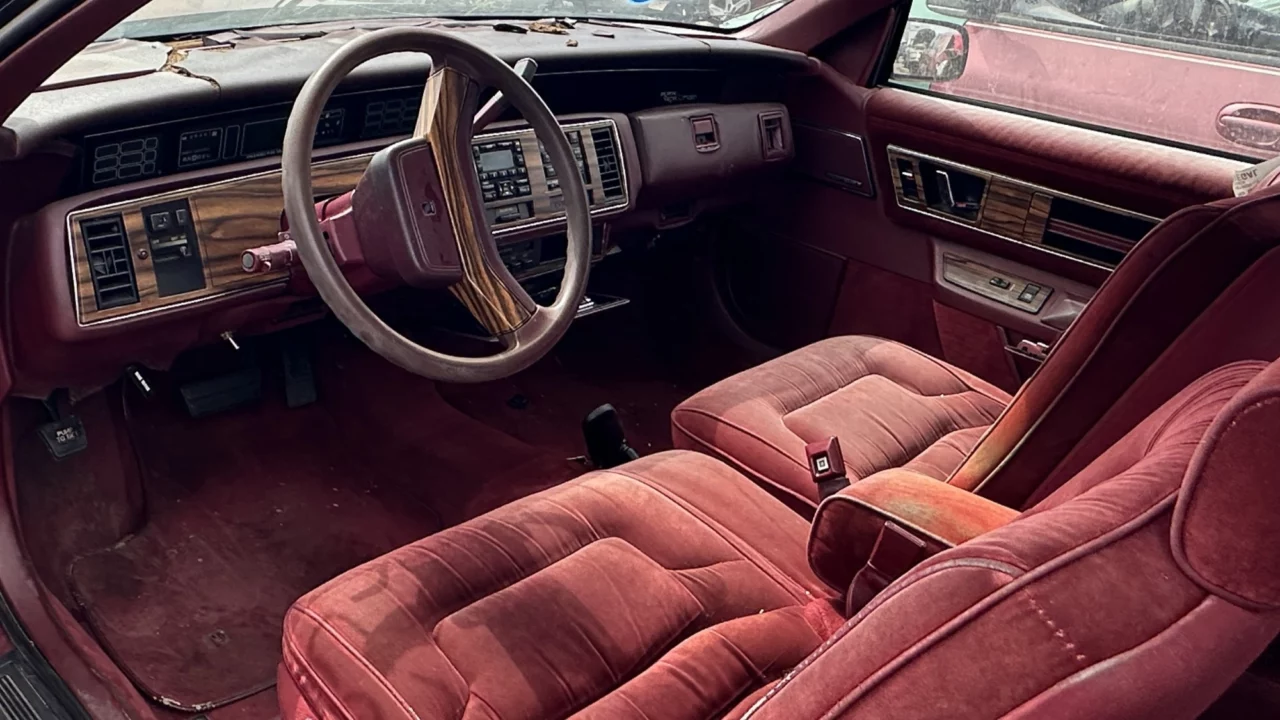
When looking at the instrument panel, I was reminded of my mom’s 1989 Pontiac Grand Prix. It used a lot of the same switchgear and came from a time when GM put buttons everywhere — including on the steering wheel, center console, and everywhere else designers could find room.
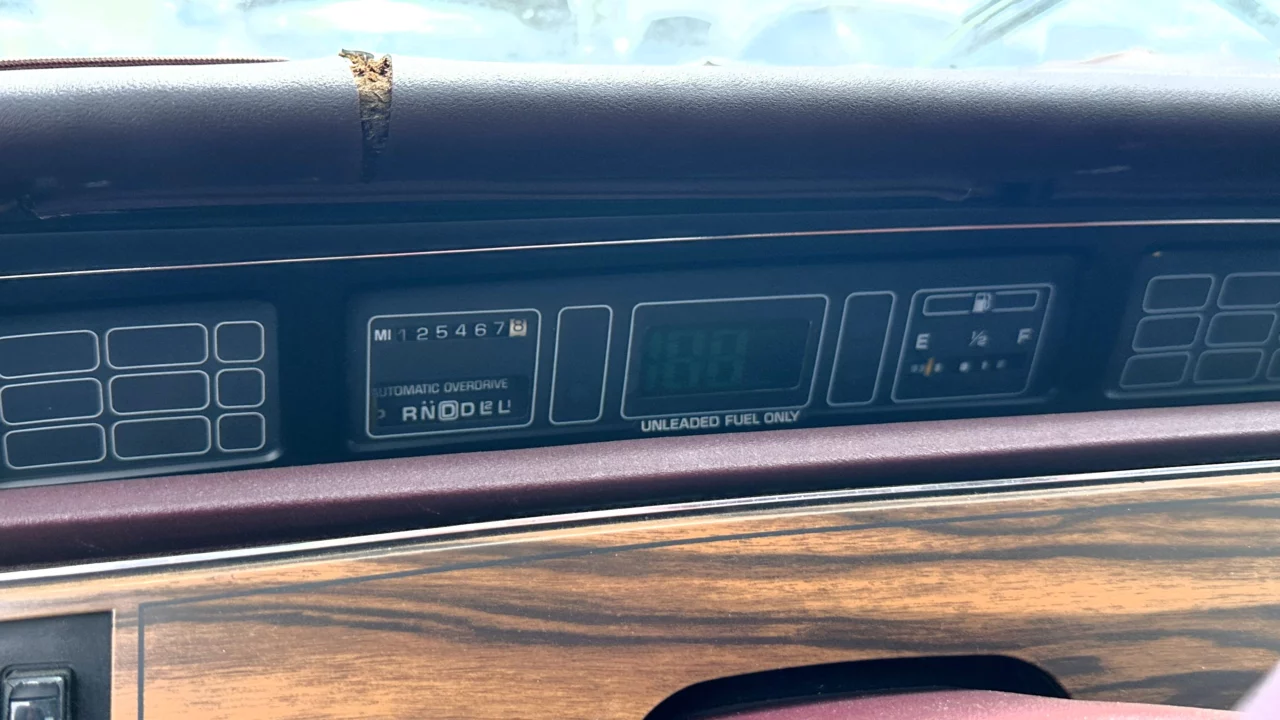
While touch-style controls are certainly nothing new (the seventh-generation Riviera had a cutting-edge CRT screen as far back as the 1980s), screens started becoming very common in new cars around 2015. And today, they’re crazy. Look at the 55-inch-wide screen in a new Cadillac Escalade.
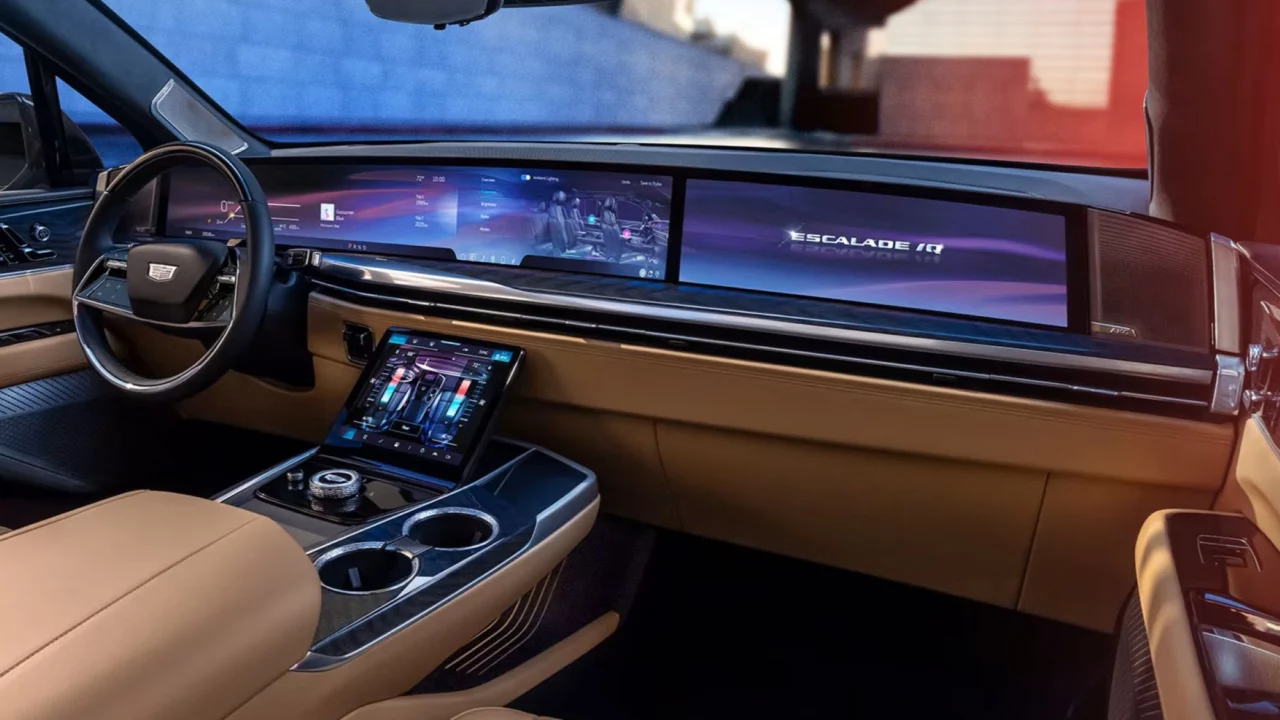
We stare at screens every day, and there is no doubt a screen can make the organization and display of information extremely convenient. The key argument against touchscreens in a vehicle is that they force drivers to take their eyes of the road. On top of that, touchscreens get covered in fingerprints (and sometimes get scratched while being cleaned), so they become more difficult to see. If there’s bad lighting or a glare too, just forget about it.
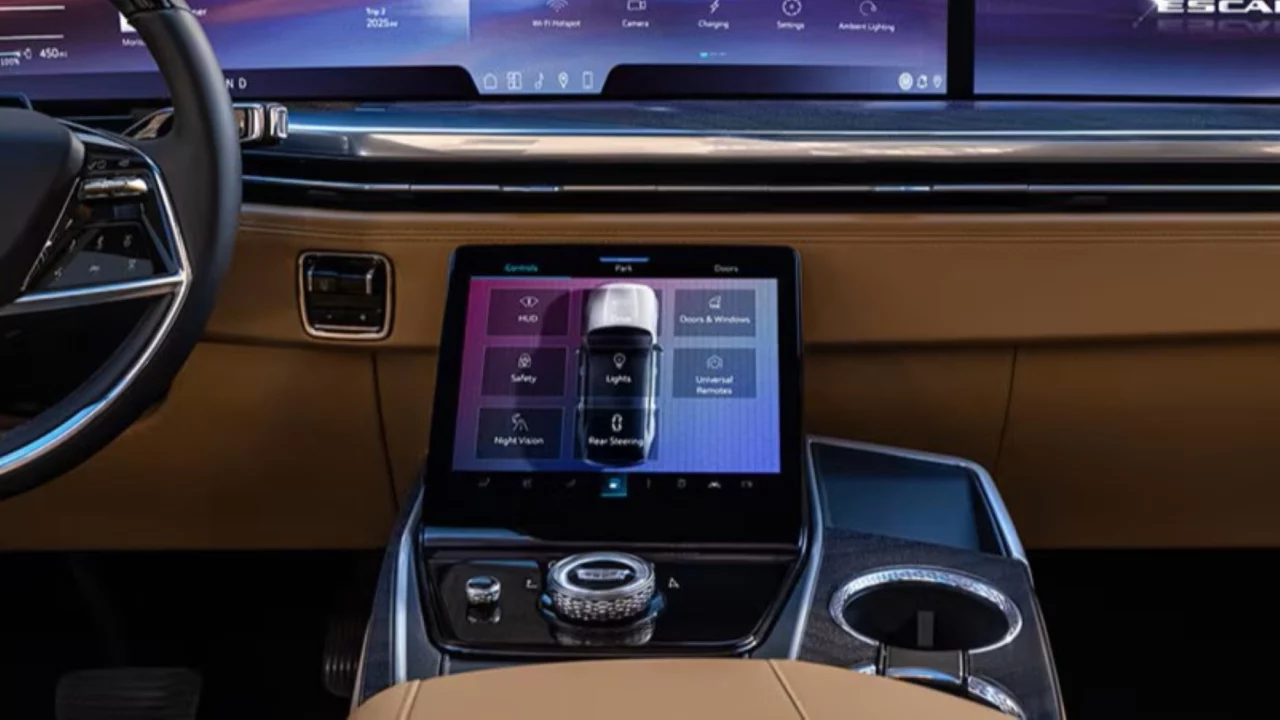
On the flip side, a physical button can be reached and activated without taking any eyes off the road. Buttons and knobs provide tactile feedback like resistance or an audible click, so the driver knows that his or her input has been registered. Buttons also work under a variety of environmental conditions, including when the driver is wearing gloves.
Here’s an illustration of how touchscreens can be finicky or unresponsive: I have a friend named James who writes car reviews on his website “Six Speed Blog.” James was recently testing a brand-new Mazda CX-5 that was giving him fits while he attempted to control the audio functions. He shared an Instagram reel to convey his frustration; after watching it, I could totally understand where he was coming from.
With physical controls, every feature has a dedicated switch or dial. And at least for everyday tasks like adjusting the volume or cabin temperature, I hope automakers go back to the “olden days.”