In the past, we’ve touched on some of the story on the Honda Prelude’s arrival, evolution, and current iteration. One of the generations we didn’t yet dive into is the car’s fifth generation, sold from model years 1997-2001. And now that we’re 25 years beyond 2001, the Y2K-era Prelude has officially become a classic. As a high school graduate of the class of 2000, that’s a tough reality to accept.
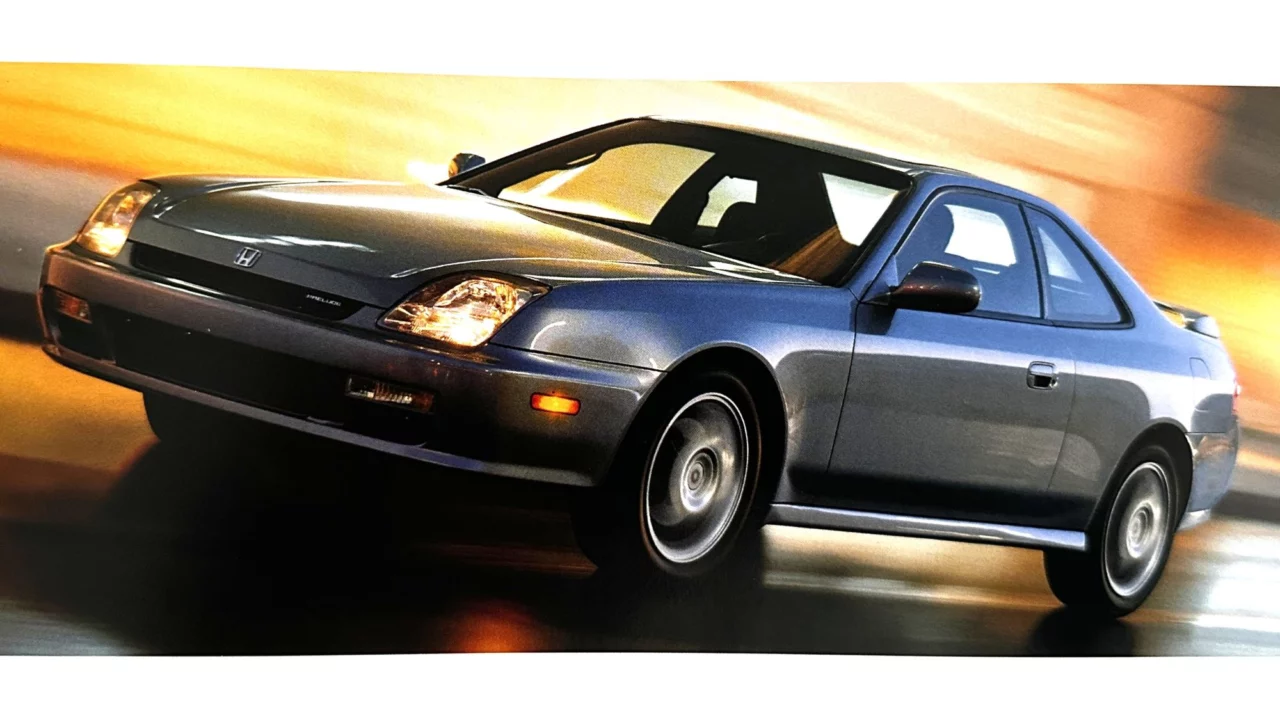
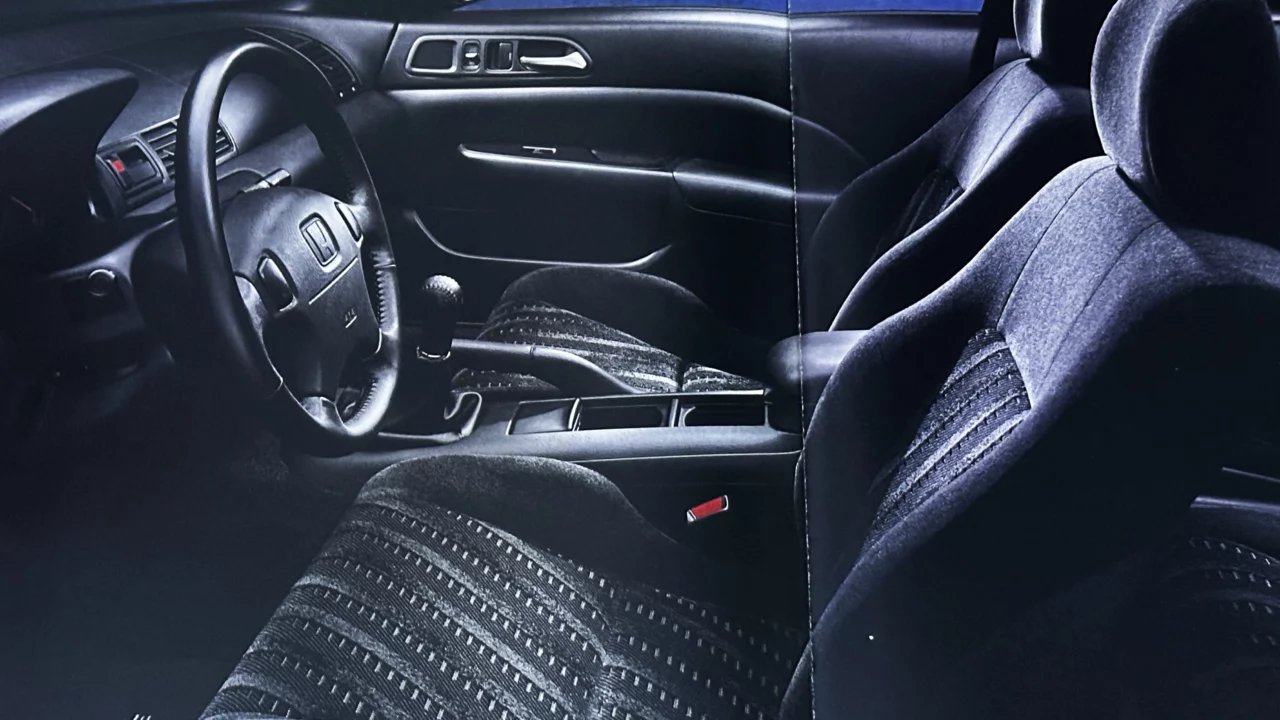
For its new-model launch in 1997, the Prelude reverted back to an angular design that characterized the Preludes of the 1980s. This was a shift from the rounded shape of the 1992-96 version. But the car stayed true to its core philosophy of delivering a fun-to-drive experience, an ergonomic cabin, and high-end features (every Prelude came standard with a moonroof, for example).
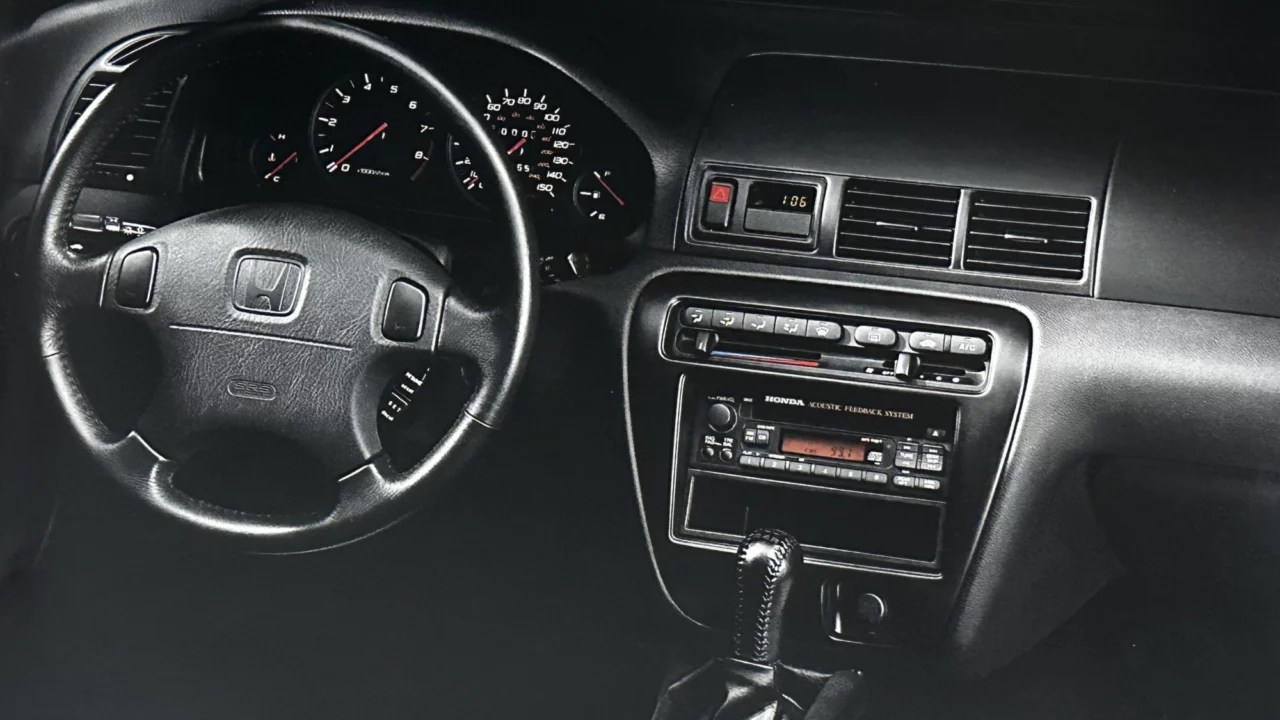
The model year 2000 brochure said, “Prelude effortlessly provides the thrills of a high-performance driving machine, yet does so with absolute finesse and style. If you want to recoup your love for the road, Prelude will supply the shortcut.” Most media outlets found little to criticize about the car aside from its price tag of around $26,000 (other vehicles in a similar sport-coupe price range at the time included versions of the Chevrolet Camaro, Ford Mustang, Mercury Cougar, Mitsubishi Eclipse GT, Toyota Celica GT-S, and even Honda’s own Acura Integra GS-R).
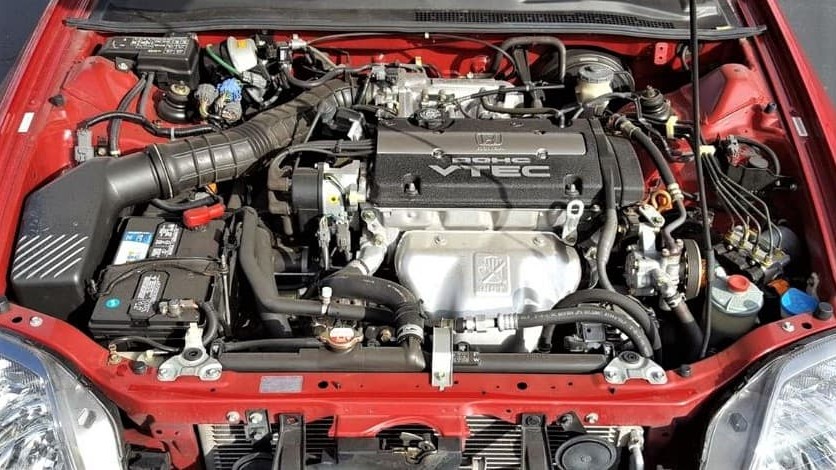
Honda’s prowess at building high-revving engines was put to work on the Prelude. Power came from an H22 2.2-liter DOHC inline-four mated to either a five-speed manual or a four-speed automatic transmission (the latter could be manually shifted via a “SportShift” mode). Regardless of whether the Prelude had the base or Type SH trim, the engine was rated at 200 horsepower and 156 lb-ft of torque. One of the key engineering aspects of many Honda engines from this era (and even today) was VTEC, Honda’s variable valve-timing system that switched between different lobes on each of the two camshafts to extend power all the way from the lower end of the tachometer up to the 7,400-rpm redline.
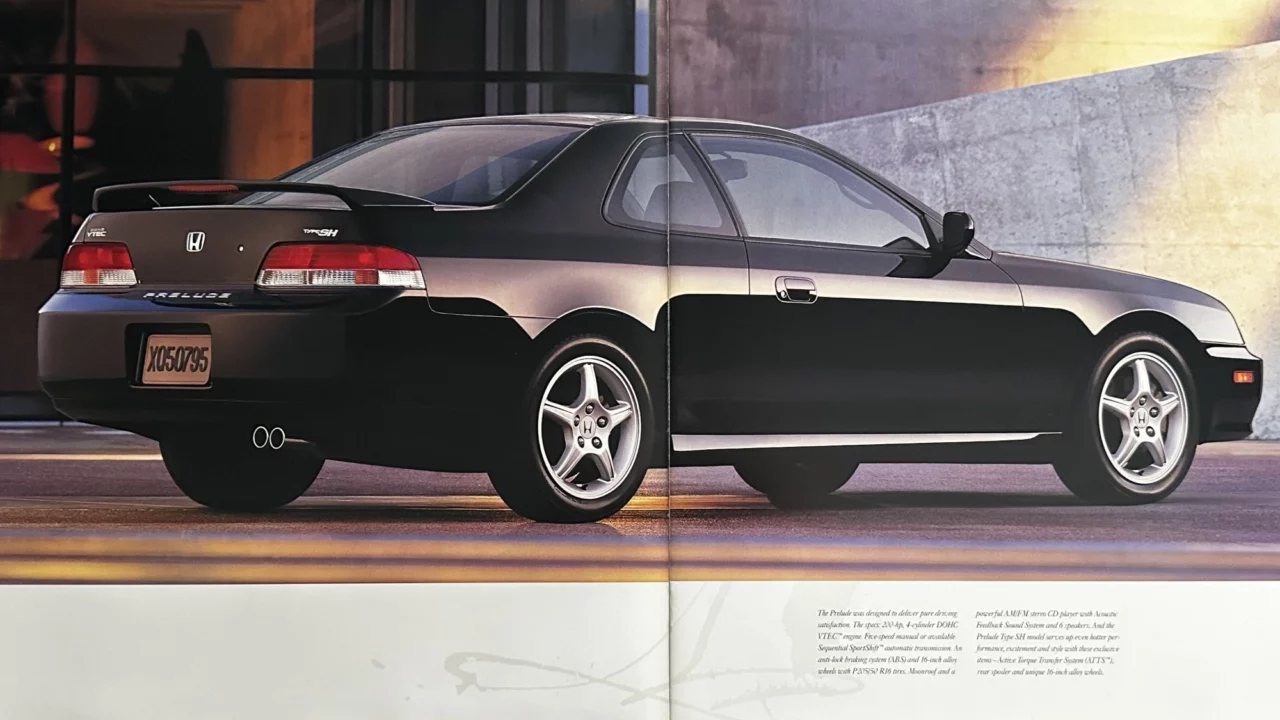
The Prelude was always celebrated for its sharp handling, and the fifth-gen kicked things up a notch with a unique feature called the Active Torque Transfer System (ATTS), available on the Type SH model. The ATTS system reduced understeer by actively managing torque between the front wheels.
So how did it perform? In November 1996, Car and Driver published a review on the new 1997 Prelude. The SH model achieved a 0-to-60 time of 7.2 seconds and a standing quarter-mile finish of 15.6 seconds at 91 mph. The story concluded, “All in all, the new Prelude continues to offer the attractive blend of virtues we’ve always liked: a screamer of an engine inside a nimble-handling, user-friendly coupe with a dash of Honda quality added to the mix.”
Nearly 30 years later, those words still hold true. Well-kept examples of fifth-generation Preludes command a premium in the collector-car marketplace, and for good reason. On that note, if anyone in our reader audience has a 2001 Type SH in rare Electron Blue Pearl, let me know, because I’m interested.