The last car that Ferrari offered with a manual transmission was the 599 GTB Fiorano, which went out of production in the 2012 model year. Since then, enthusiasts have been clamoring for a new Ferrari with three pedals, and shops such as Texas’s EAG (European Auto Group) USA have stepped in with six-speed conversions. Finally, after almost 15 years, the Prancing Horse has announced the return of the stick-shift in the 2027 Ferrari 12Cilindri Manuale — but it’s not quite what you think it is.
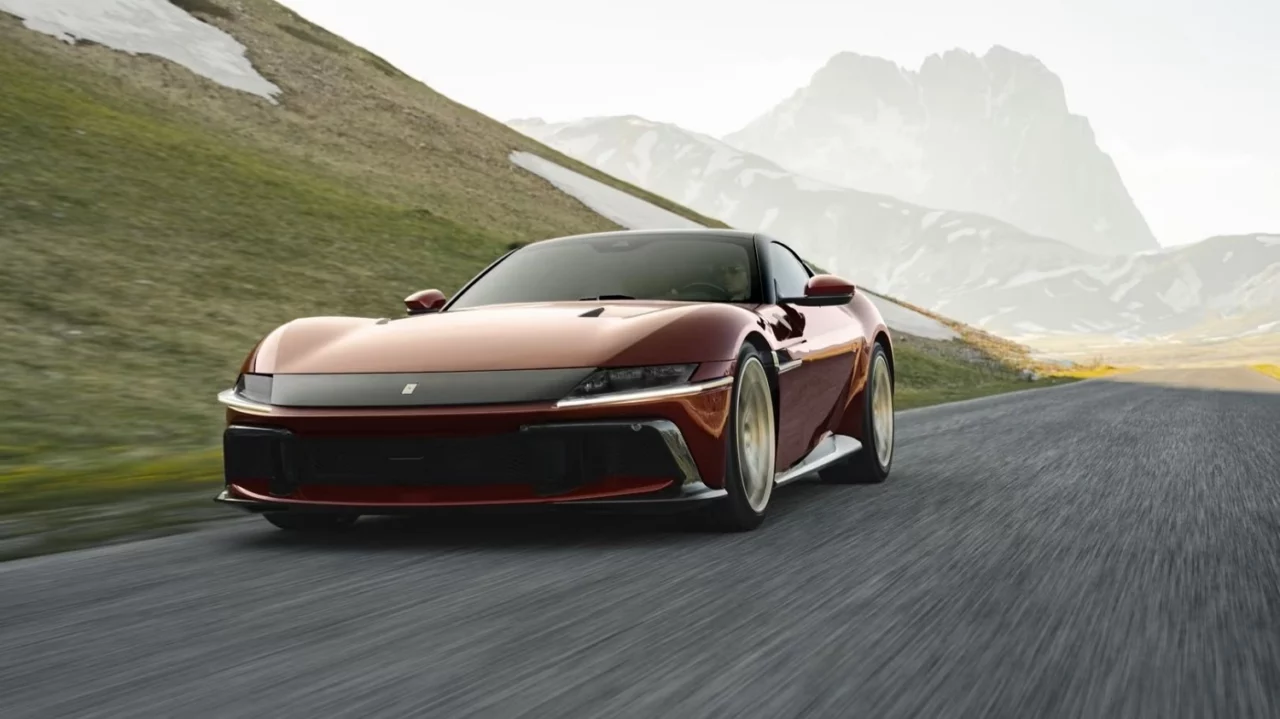
There was a time in the not-so-distant past when a person shifting a manual transmission could change gears more quickly than an automatic. Today’s dual-clutch autos pre-select the next gear and change to it with lightning speed, making the human component of shifting look like a slow, clunky hindrance to all-out performance. While undoubtedly quick, dual-clutch autos don’t take into account that some people would rather feel the connection to a car that they only can experience with a manual gearbox, even if it means adding a tenth of a second to their theoretical lap time around a track they’ll never drive.
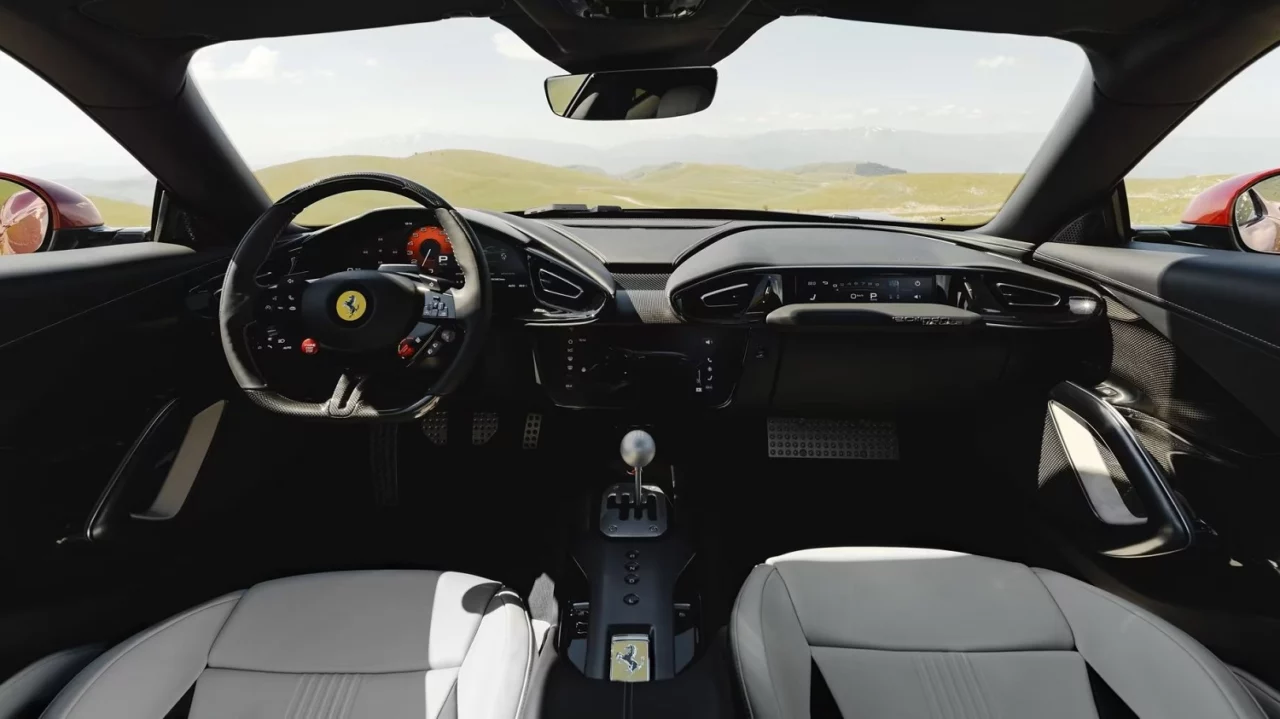
Channeling the 818 horsepower and 500 lb-ft of torque from the naturally aspirated 6.5-liter V-12 under the hood, the 2027 Ferrari 12Cilindri Manuale’s transmission falls in between the two ends of that spectrum. At its core is Ferrari’s eight-speed dual-clutch transmission (DCT), which can be driven in fully automatic mode. However, if the driver wants a more stimulating experience, (s)he can press the clutch pedal and shift the six-speed manual by pushing the aluminum shift knob through the shift gates. What about 7th and 8th gear? Once the driver hits 6th in manual mode, (s)he can just engage the DCT to cruise in those top cogs.
How exactly is all this done? Ferrari’s new Manuale by-wire system, which uses sensors to detect the movement of the clutch pedal and the shifter. “The clutch pedal has authentic resistance thanks to a pre-loaded spring, cam and roller that communicate everything from the biting point to full disengagement as the driver explores the pedal’s travel. The lever, meanwhile, is linked to an advanced kinematic mechanism consisting of a rotating block of solid-machined high-strength steel, giving the driver meaningfully weighted feedback during gear shifts. The lever naturally self-centres back to the neutral position on eccentric rollers, and has even been acoustically engineered to provide the classic ‘snick’ of an open-gate manual.”
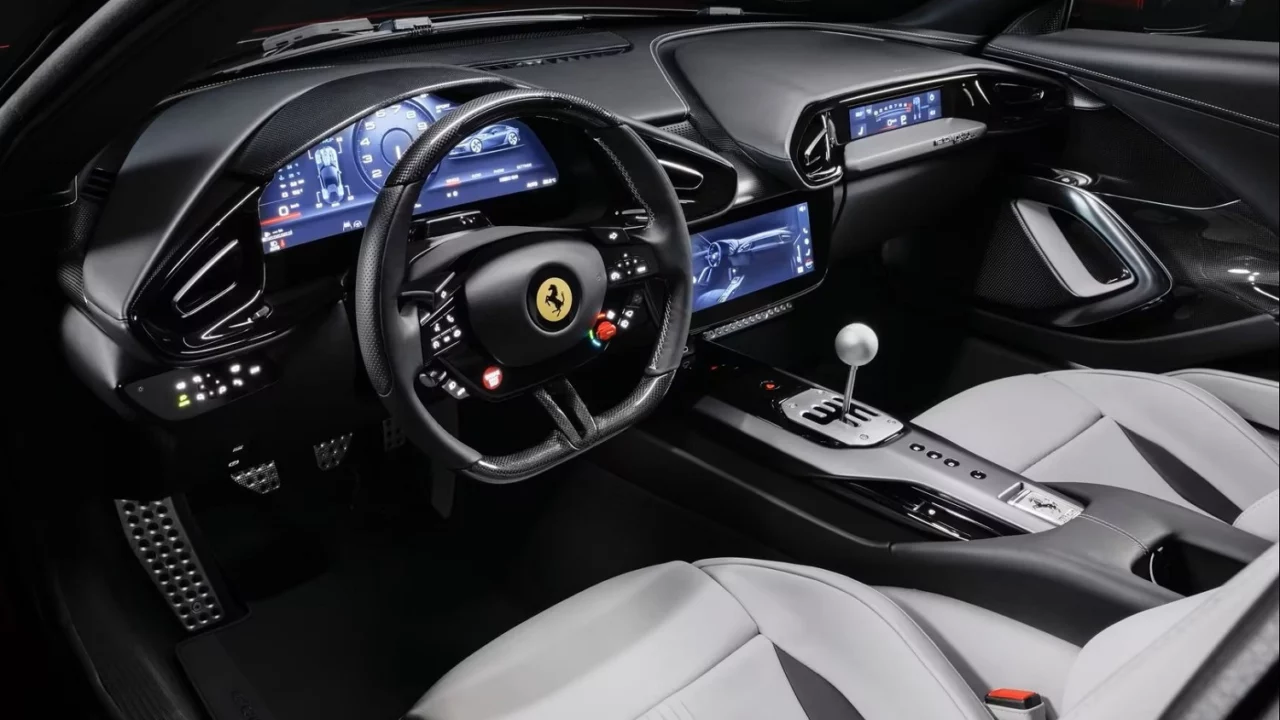
Even though Ferrari added all this hardware to make manual shifts possible, it also left enough room for error to make the experience feel more authentic. Perfect clutch and shifter synchronization results in a smooth gear change; bad coordination ends with a jerky shift or even the engine stalling out.
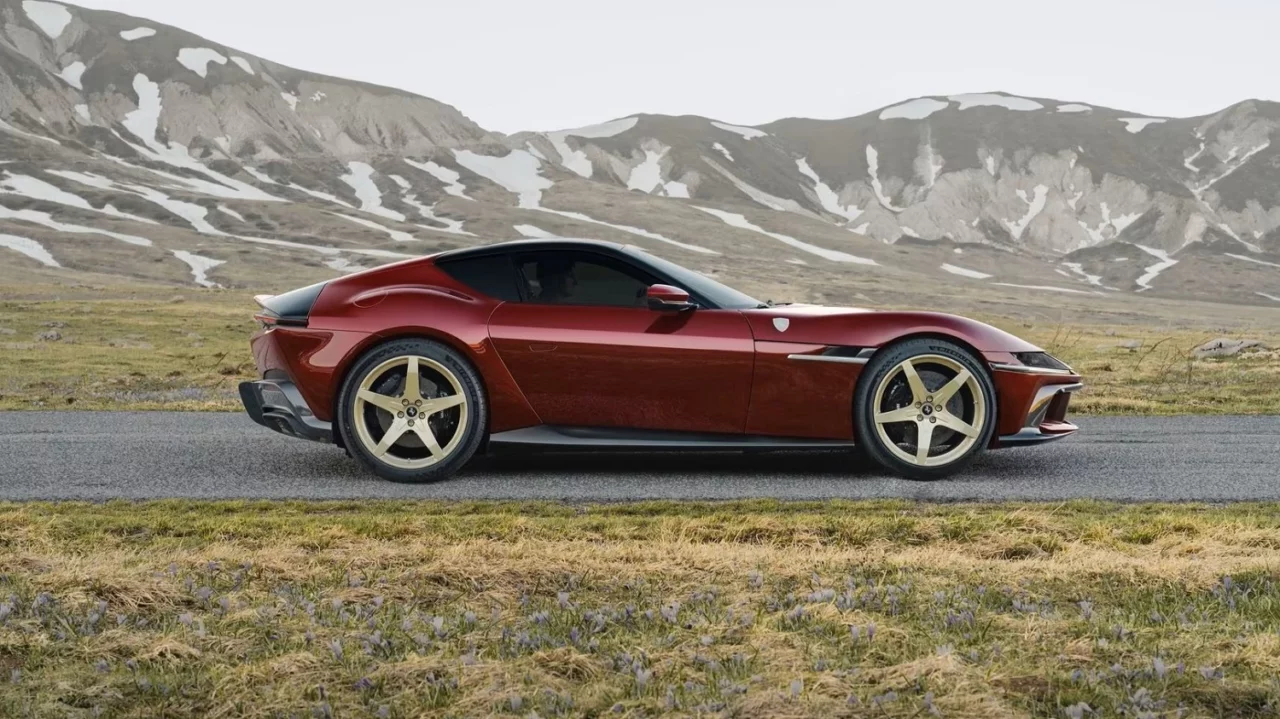
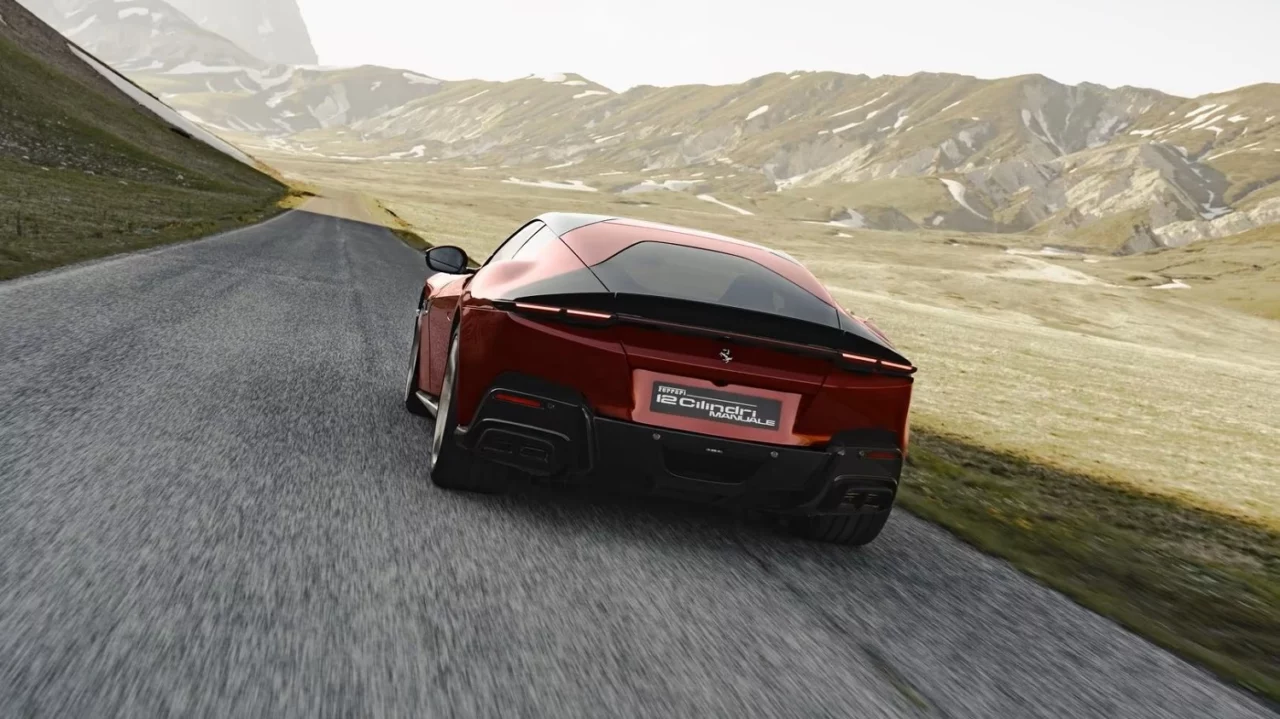
As of right now, Ferrari only offers this arrangement in the 1,499-unit production run (a nod to the displacement of the first Ferrari 12-cylinder engine produced in 1947) of the 2027 Ferrari 12Cilindri Manuale. Designed to Ferrari’s Tailor Made specifications, each one features specific details such as pinstriping on the front splitter and pop-up rear wings (in honor of the 365 GTB4 “Daytona“), exclusive interior trim and colors from Ferrari’s personalization program, and special forged alloy wheels.
Given that true manual versions of exotic cars often command premiums over their paddle-shifted siblings in the secondary market, don’t be surprised if Ferrari produces another Manuale model in the future.
What do you think of this news? Did Ferrari over-complicate and cheapen a simple, joyful experience? Or did it create a car that offers the best of both worlds? Tell us in the Comments section below.