The revolutionary Concorde supersonic aircraft, with its narrow fuselage and four-abreast seating, operated from 1976-2003 and had a cruising speed of 1,350 mph — about twice the speed of sound. It could travel from New York to Paris in fewer than 3.5 hours! The airplane remains a symbol of aviation ambition, even today.
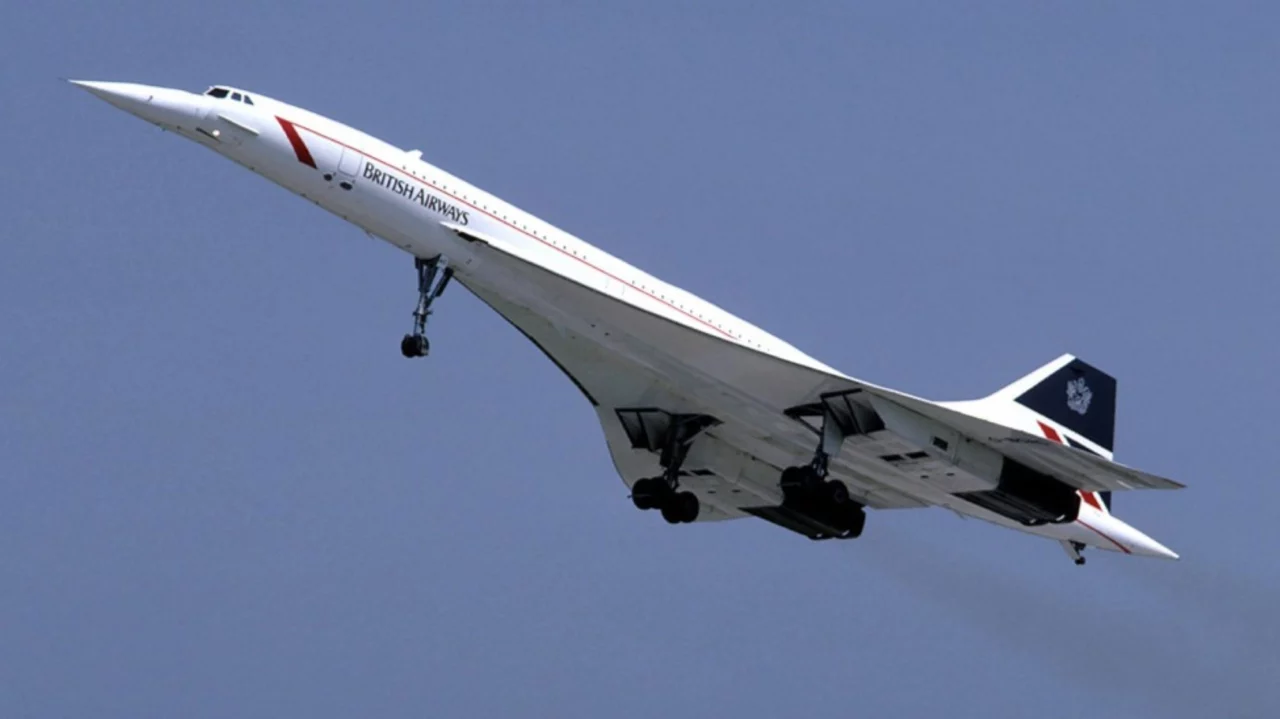 Credit to Wikipedia
The full-sized Chrysler Concorde family sedan from the 1990s, on the other hand, wasn’t known for getting anyone’s heart rate up, but it was still an important player in the automotive world for its time. In fact, the car made Car and Driver’s “Ten Best” lists for both 1993 and 1994, as well as the cover of Consumer Reports in April 1993.
The car served as a centerpiece in Chrysler’s “cab-forward” design revolution, aimed at maximizing interior space by pushing the wheels to the corners of the vehicle.
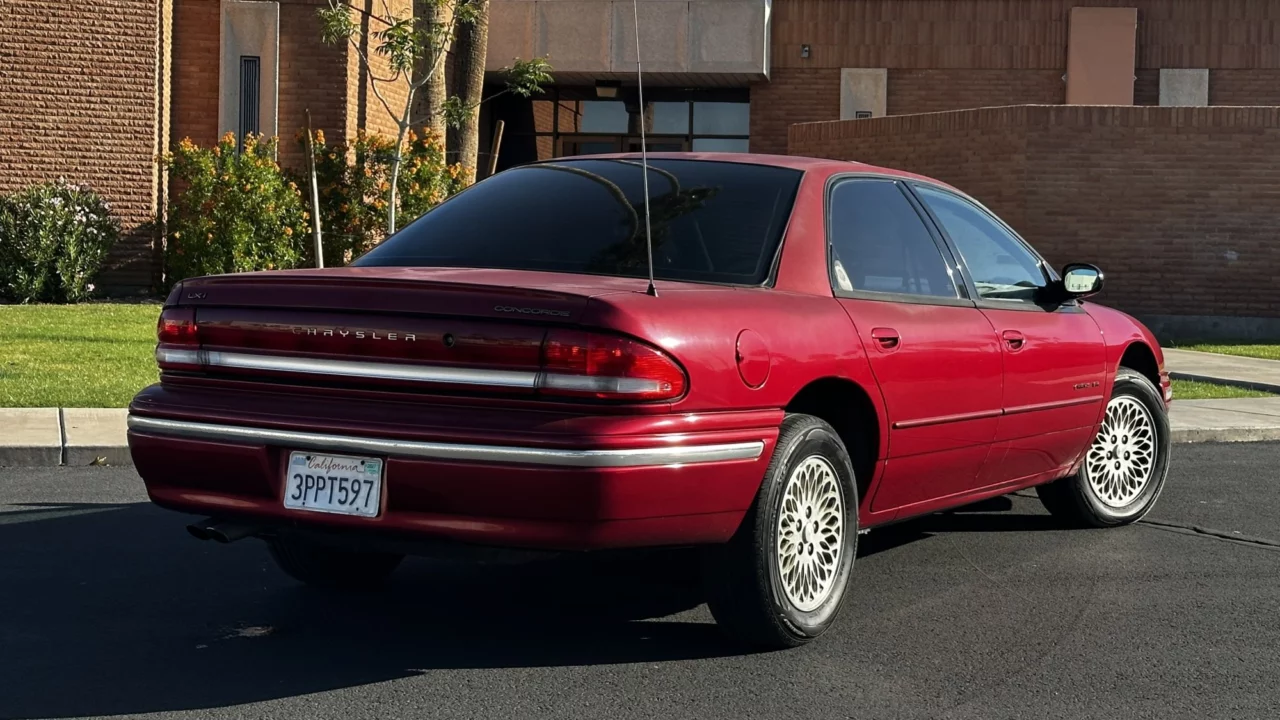
The first-generation Concorde was produced from 1993-1997 and was based on the LH platform, which also served as the basis for models including the Chrysler LHS, Chrysler New Yorker, Chrysler 300M, Dodge Intrepid, and Eagle Vision. The base price was $18,341 for the initial model year, and the car was well-received in the marketplace. In total, there were 273,720 first-generation Concordes sold across the five-year production span.
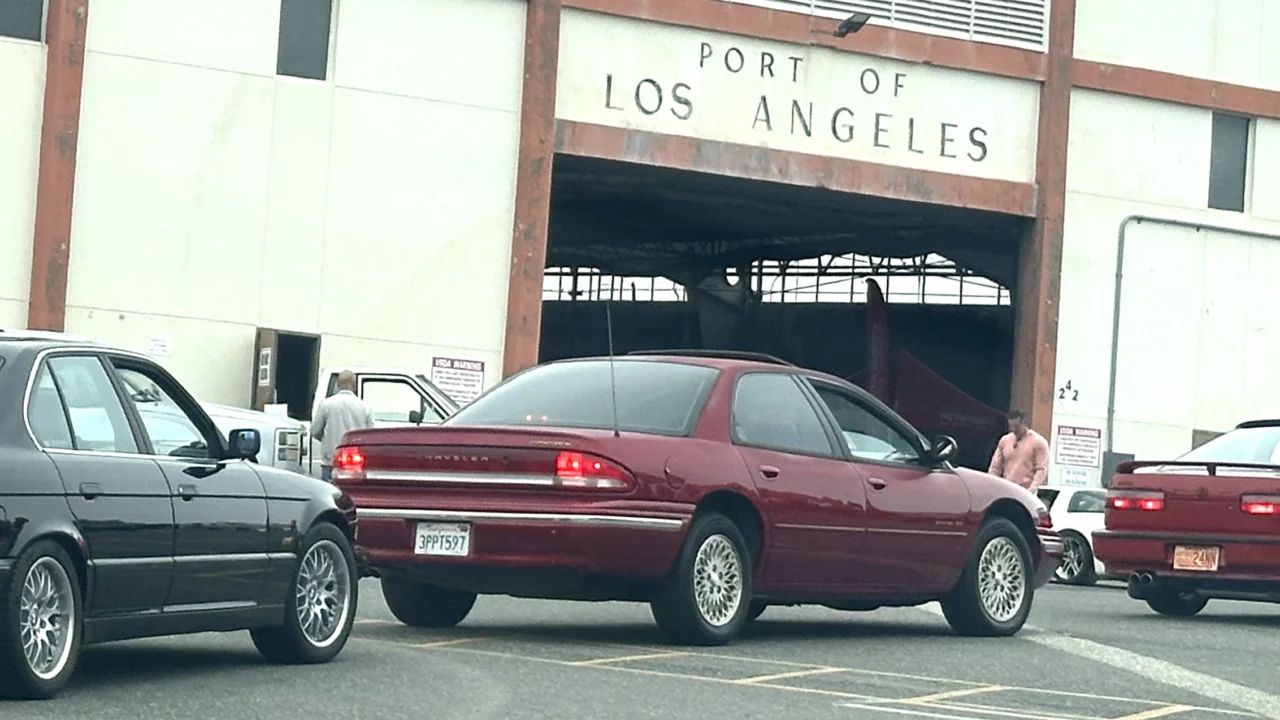
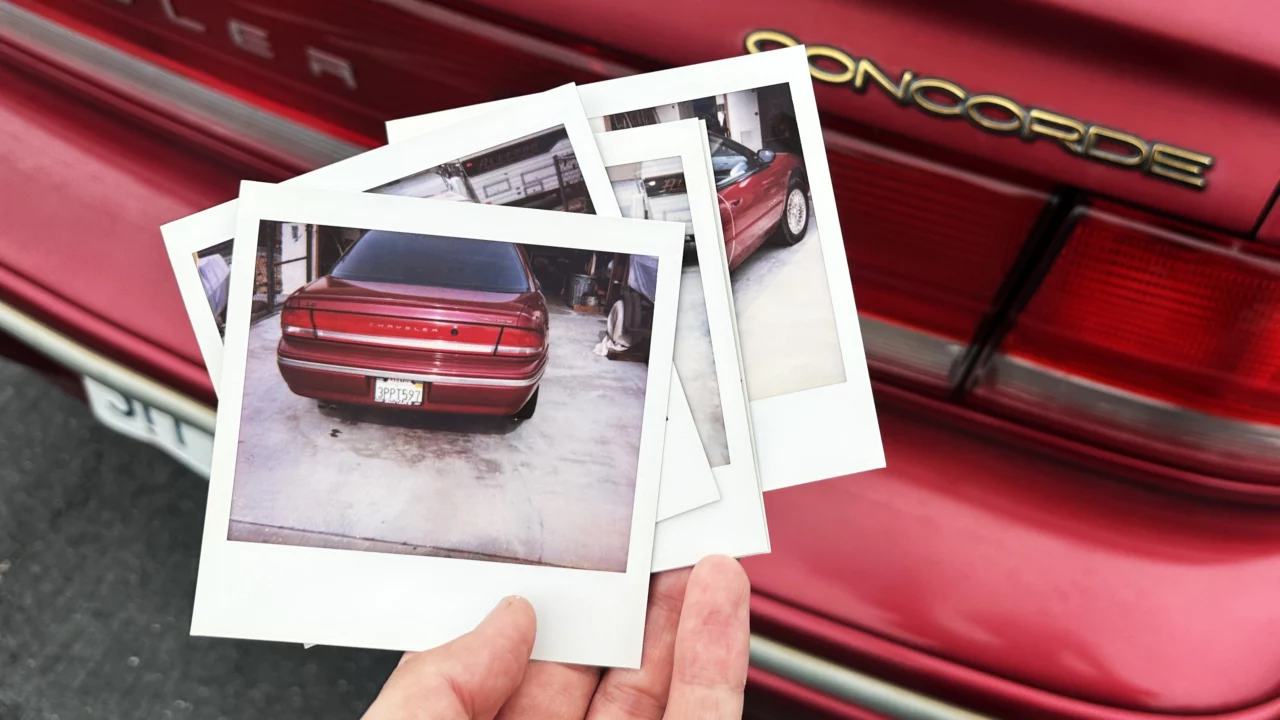
My friend Jordan owns a 1996 Concorde LXi that has been in his family since it was just a couple of years old. He showed the car at RADwood last October, where it turned heads for its originality. Just look at those period-correct Polaroids from when the car was brand-new.
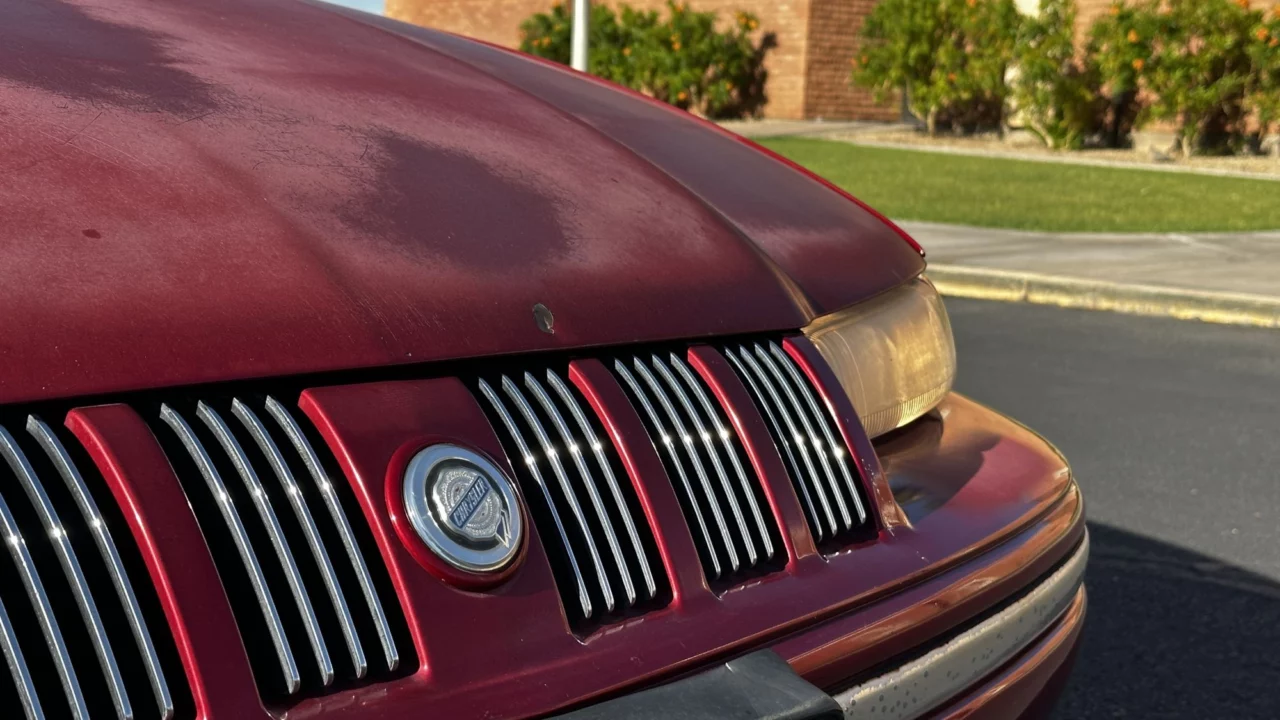
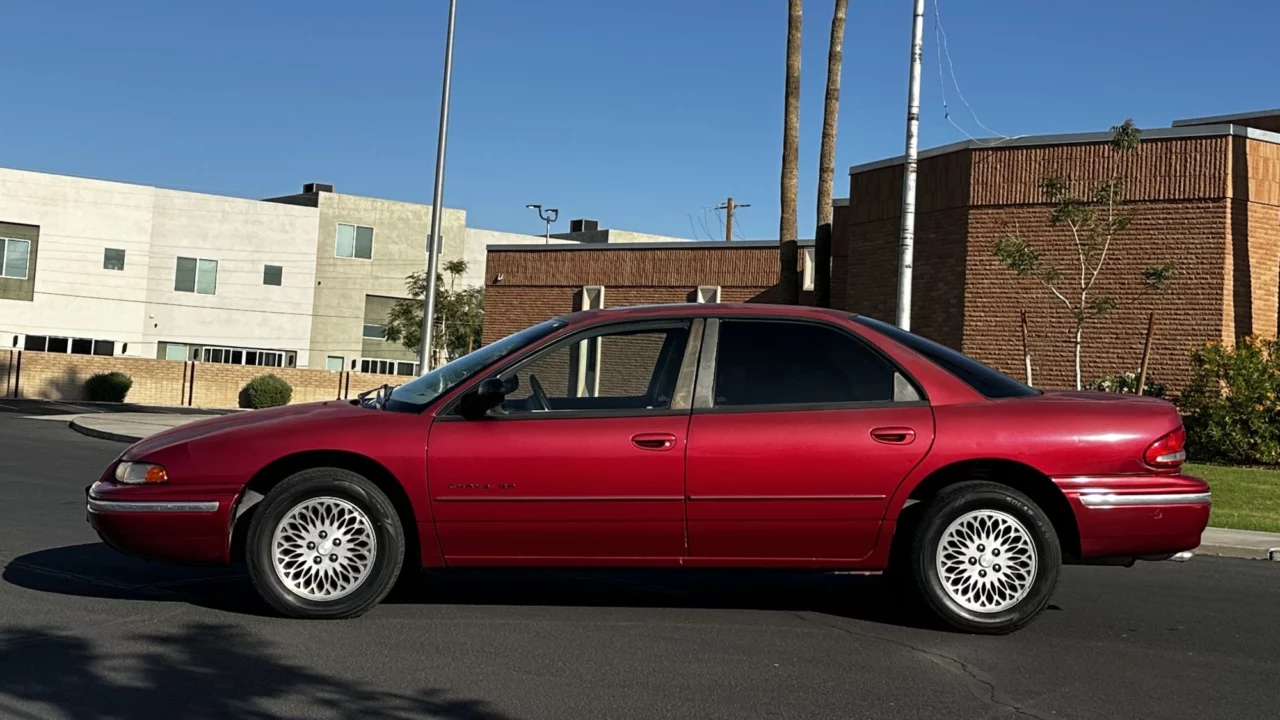
While a little tired in appearance, the car is an original, unmodified survivor with 164,170 miles on the odometer. Exterior features include a waterfall-style grille, chrome bumper trim, black-finished side mirrors, a full-width taillight bar, and 16-inch alloy wheels with gold inserts.
In keeping with the car’s positioning as a full-sized offering, Chrysler marketed the Concorde as a well-appointed sedan. Some versions came with a split-bench up front, allowing for three-abreast seating and space for six passengers total. Upscale models came with leather upholstery, eight-way power seats, rear-seat vents, personal reading lamps, dual airbags, remote keyless entry, and a number of available Infinity sound systems.
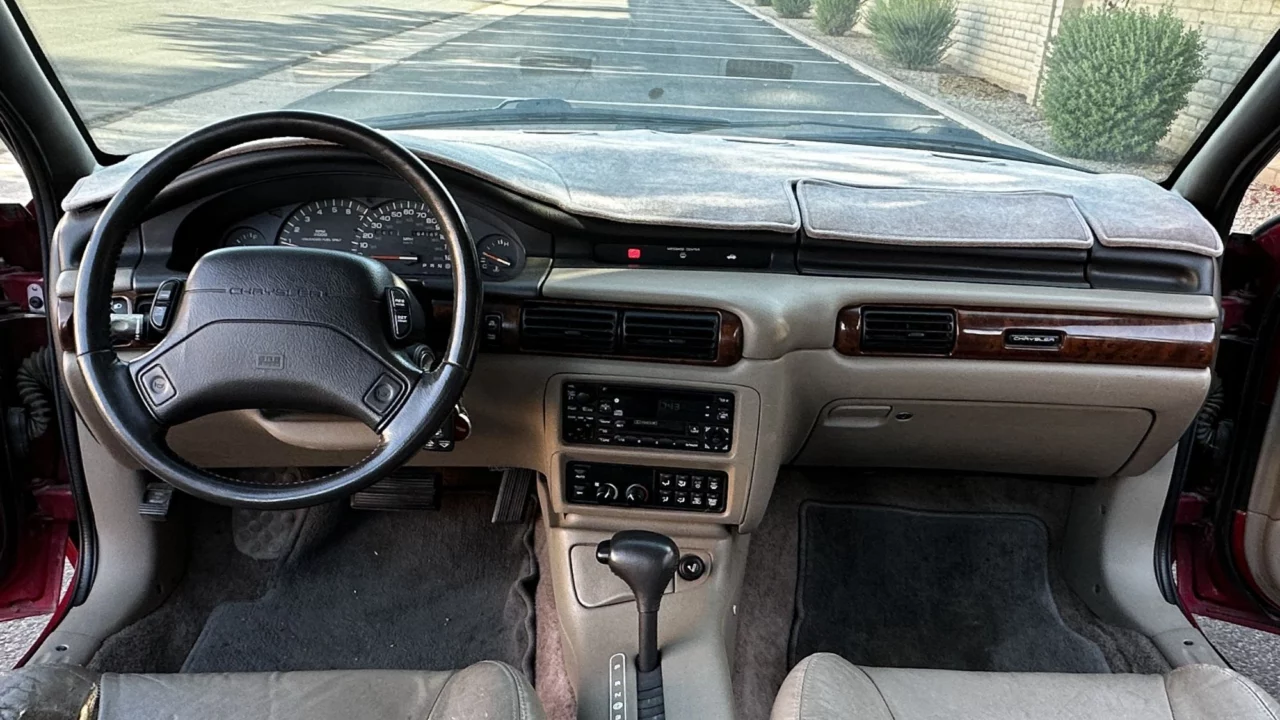
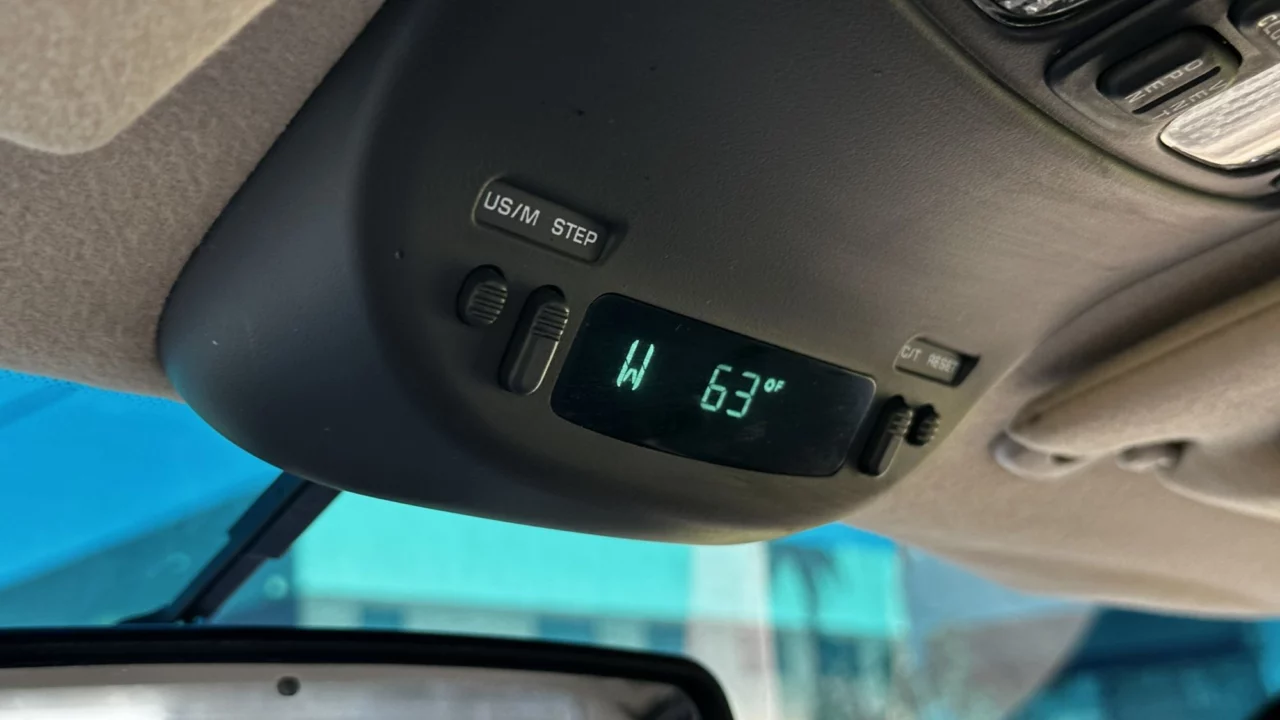
Some cars (including Jordan’s) received power-operated sunroofs that were installed by American Sunroof Company (now American Specialty Cars). The overhead console with a compass and thermometer was a nice touch.
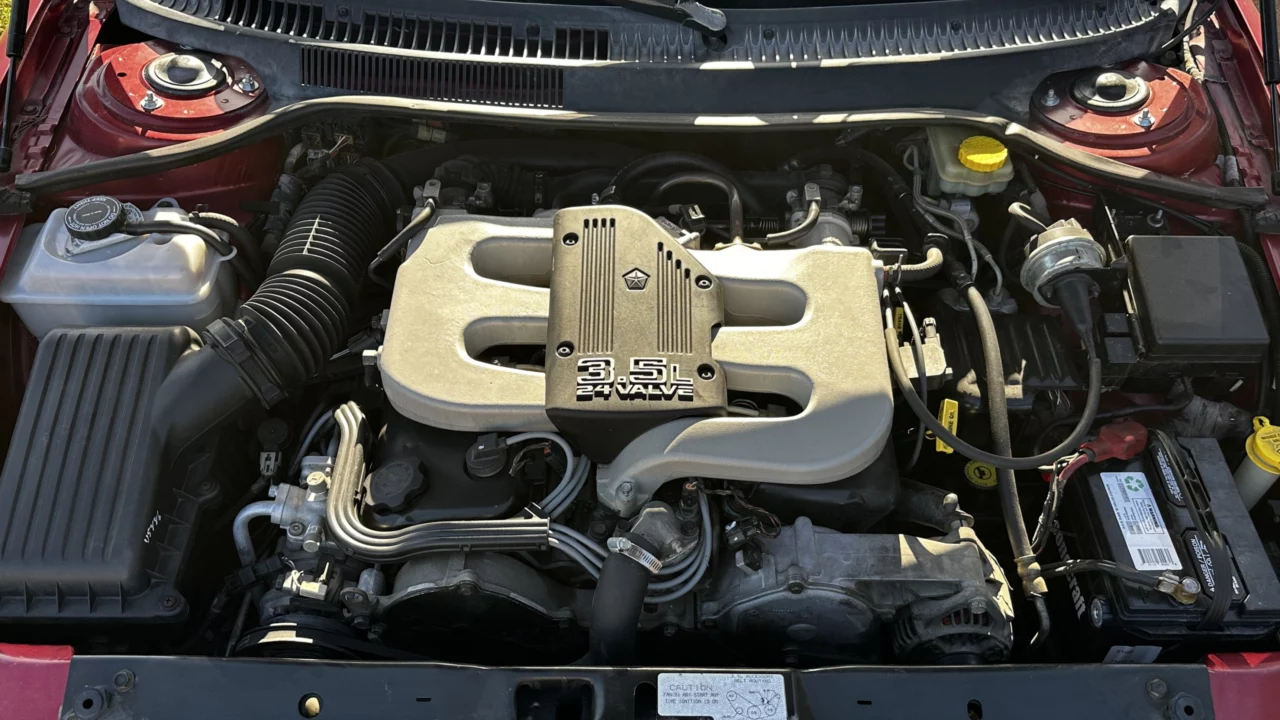
The standard engine for the first-generation Concorde was a 3.3-liter V-6, while a 3.5-liter V-6 was optional. The latter was good for 214 horsepower and 221 lb-ft of torque. A four-speed automatic transmission was the only available offering. When equipped with the larger of the two engines, the Concorde could accelerate to 60 mph in about nine seconds.
That being said, while the car’s speed capabilities were a far cry from those of the Concorde aircraft, it delivered robust performance for a family-hauler of its size. Relatively few of the 250,000-plus units built in the 1990s survive today, and it is great to see Jordan’s car still being regularly enjoyed. We look forward to seeing what kinds of adventures he has in it going forward.
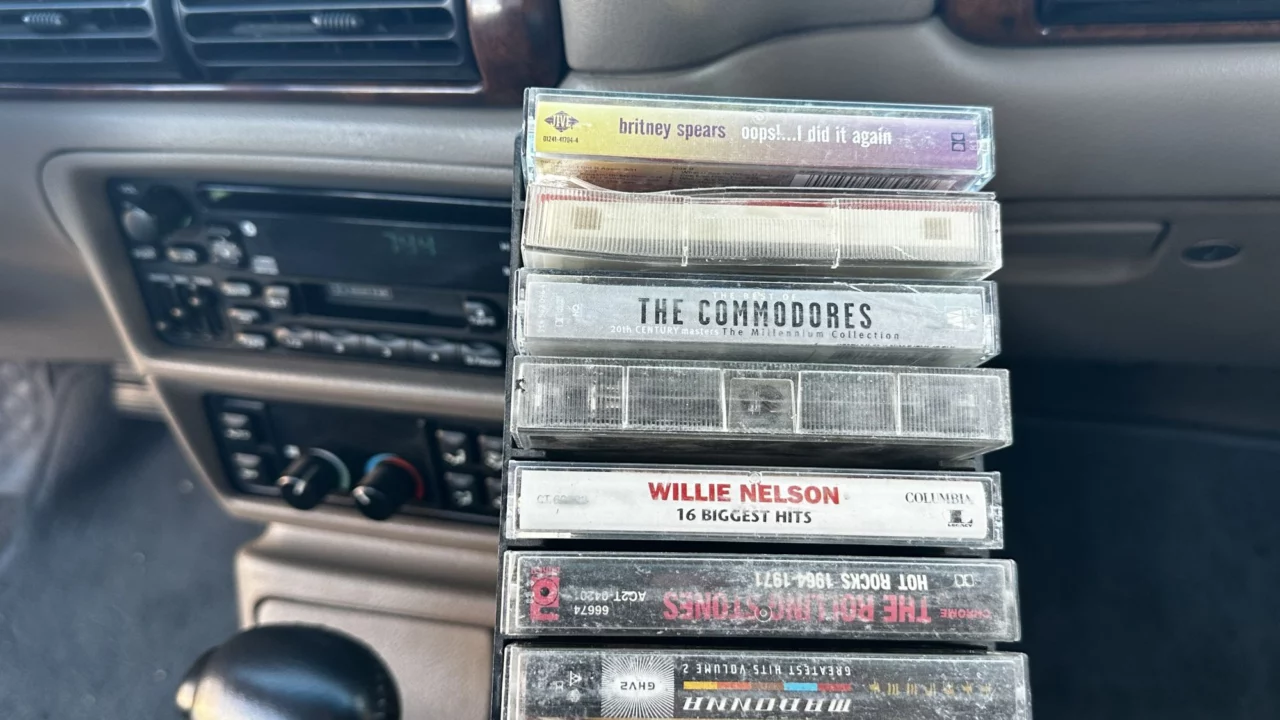
Also, impeccable taste in music, Jordan! Which cassette would you, our loyal readers, pick?