Seventy years ago, Mercury pioneered some cutting-edge advances in its model lineup. In advertising, the 1957 Mercury was referred to as “straight out of tomorrow,” as well as a “production dream car.” The flagship Turnpike Cruiser sat at the top of the hierarchy, competing against rivals such as the Buick Roadmaster and the Oldsmobile 98.
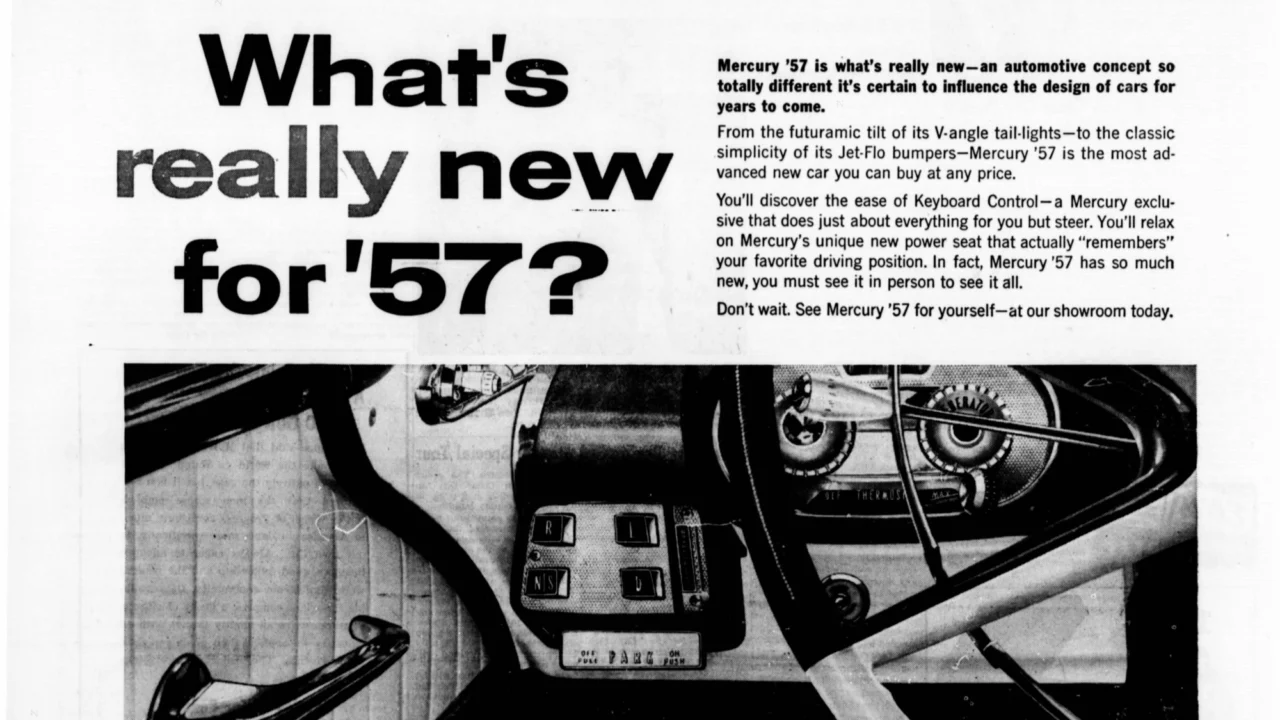
During a recent deep dive through some newspaper archives, I came across a number of advertisements for the 1957 Mercury models that stood out to me.
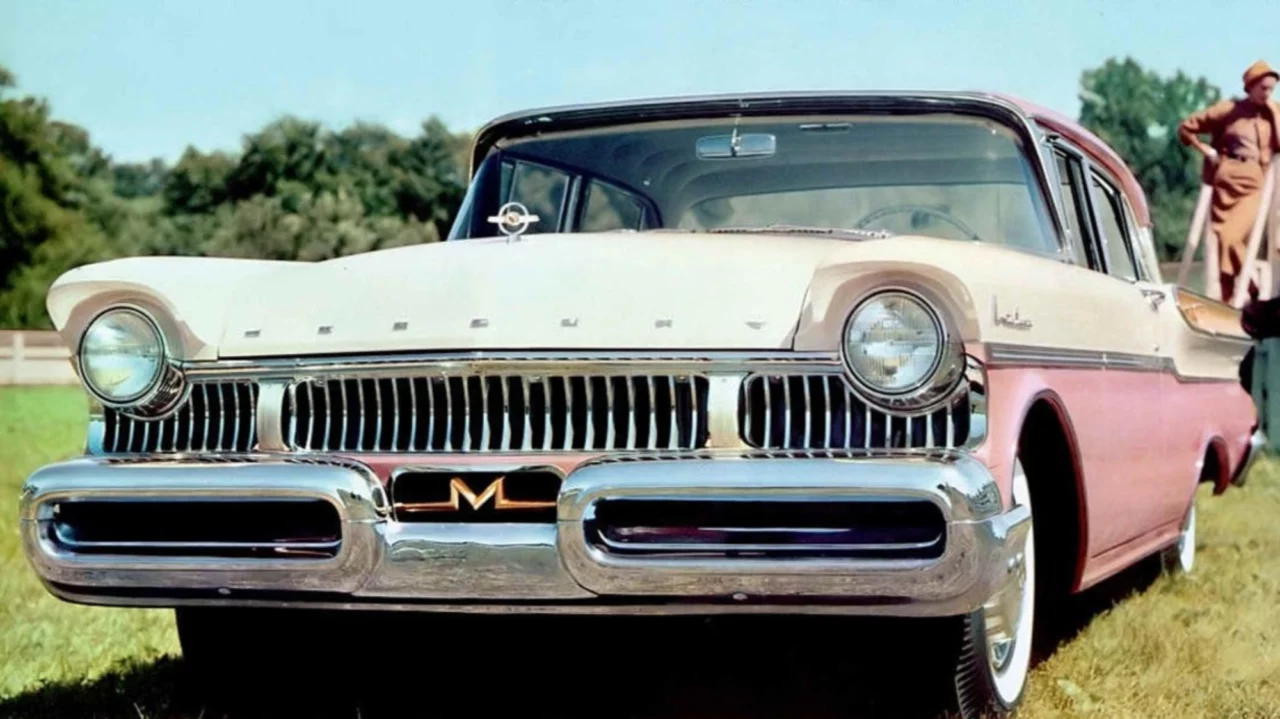
For starters, the 1957 Mercury had strong road presence. It was five inches longer, three inches wider, and four inches lower than the outgoing model.

“Jet-Flo” bumpers, full-width grille, V-angle taillights, and plentiful chrome defined the exterior. The Turnpike Cruiser even had a Breezeway rear window.
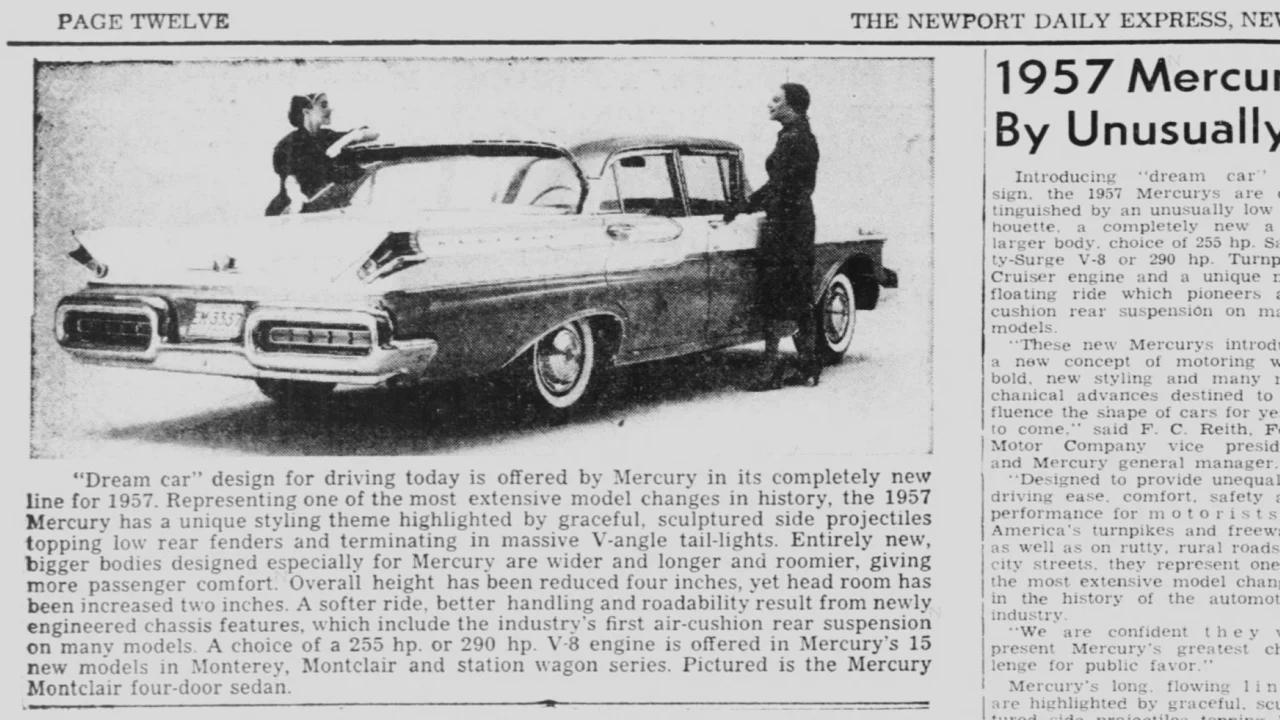
One automotive editor said, “The roof has become an integral part of car design. First to recognize this important transition, Mercury has imposed a clean-cut channel in the center of the roof which continues in the rear deck, with the channel extending past the rear window into the package tray. For better vision, total glass area has been increased by 700 square inches.”
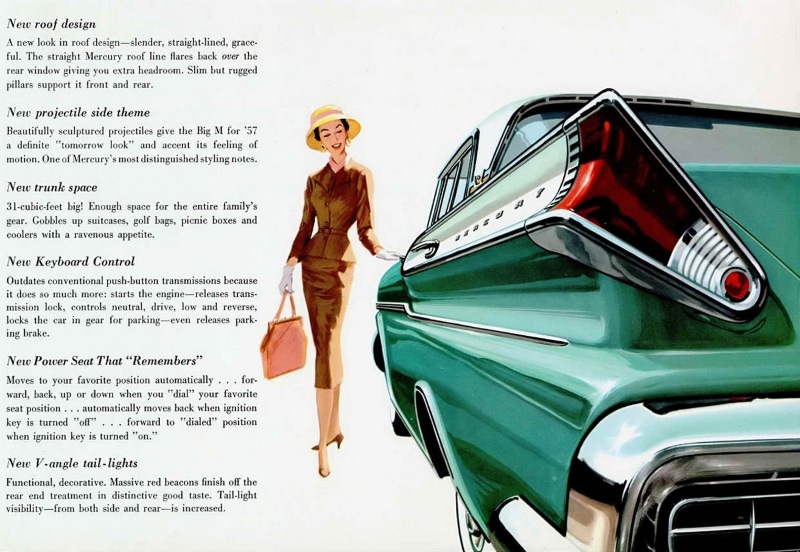
One of the important innovations inside the cabin was “Climate-Master” air conditioning, and Mercury made a big deal out of “Keyboard Control,” a push-button gear selector for the Merc-O-Matic transmission located on the left side of the dashboard. Chrysler had rolled out this feature a few years earlier, but Mercury followed suit — at least for a time.
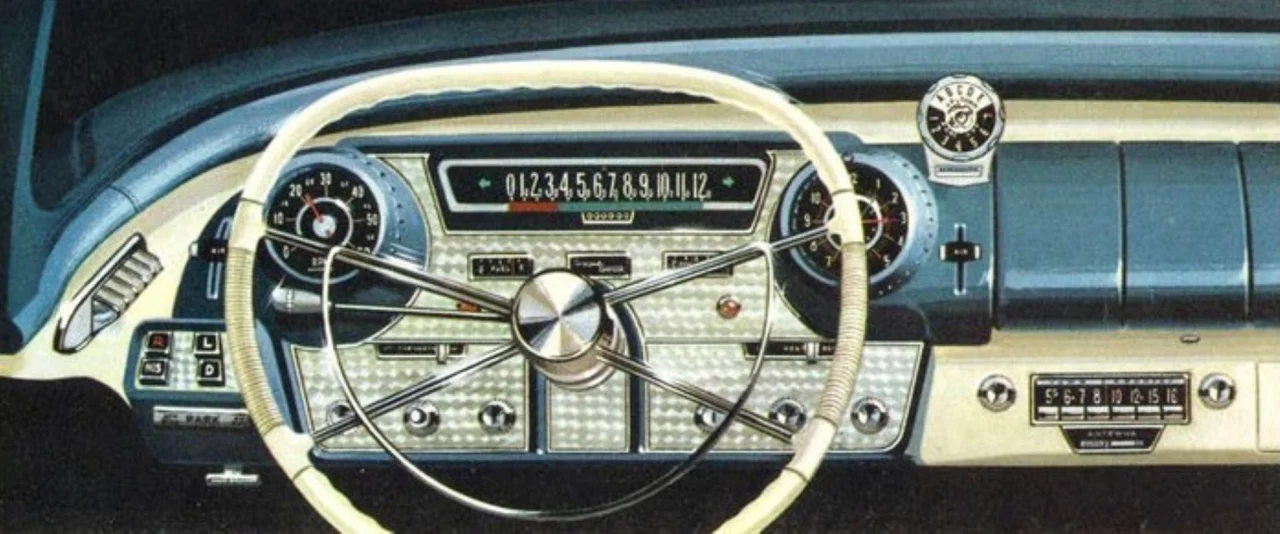
The Keyboard Control system was relatively short-lived; it was replaced by a traditional column-mounted gear selector a couple of years later. Mercury said, “You’ll discover the ease of Keyboard Control — a Mercury exclusive that does just about everything for you but steer. You’ll relax on Mercury’s unique new power seat that actually remembers your favorite driving position. In fact, Mercury ’57 has so much new, you must see it in person to see it all.”
The equipment list went on from there, with the 1957 Mercury offering Floating Ride suspension (including air ride at the rear) for supreme cushioning, along with bigger brakes, four-barrel carburetor, and power booster fan.

As the journalists said when it was new, “Mechanically as well as in styling design, the 1957 Mercury makes newsworthy strides forward.” To this day, the design still looks attractive.
I think I’ll start calling the push-button transmission in my Acura TLX a “Keyboard Control.”